 26Sep

The single phase vs three phase voltage stabilizer choice depends on the supply and the equipment being protected, then on the proposed model’s voltage references, phase limits and protection. A three-phase supply does not by itself mean every load at the site needs a three-phase stabilizer.
Start with the load boundary. One machine, a group of single-phase circuits and a three-phase production line are different requirements. If the enquiry only states the site’s total kVA, it leaves important questions unanswered.
This guide turns a single phase vs three phase voltage stabilizer comparison into a clear sequence: identify the supply, describe the load, check the phase arrangement and request model evidence. It explains what to record before asking for a quotation. For the wider selection process, use the voltage stabilizer guide.
Key takeaways
- Define the protected load separately from the site’s incoming supply.
- Label voltage readings as line-to-line or line-to-neutral.
- Check current and limits on each relevant phase, not only total kVA.
- Confirm whether phase regulation is common or independent.
- Request the exact configuration, protection details and rating conditions.
Have a supply drawing and load list? Send Banatton your application details, including the required output and operating events, for review against a proposed configuration.
Single phase vs three phase voltage stabilizer: the core difference
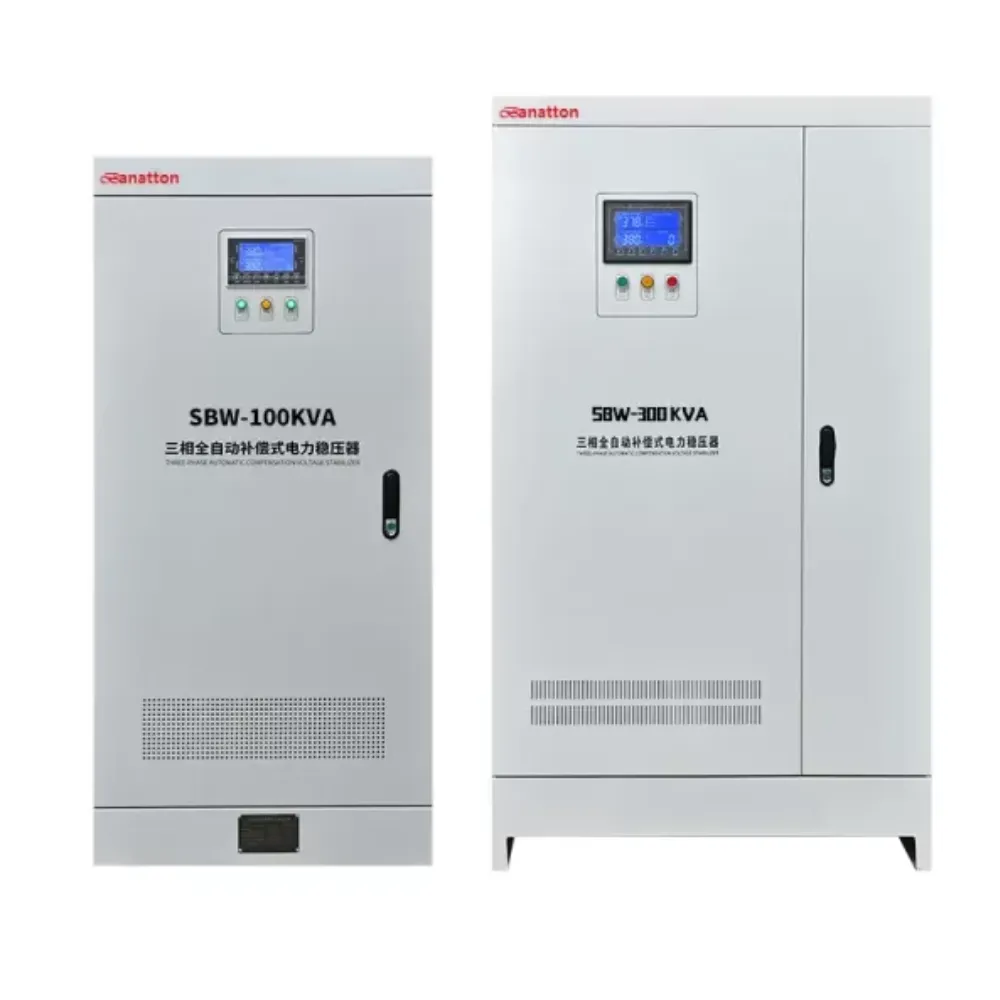
A single-phase stabilizer serves a compatible single-phase supply and load arrangement. A three-phase unit is designed for a specified three-phase configuration. Those descriptions identify an electrical arrangement; they do not establish every feature, capacity or performance limit.
In a single phase vs three phase voltage stabilizer review, keep the input and output requirements visible. Record what supply is available at the intended installation point and what the equipment requires. Do not choose from the building’s service description alone.
Separate the site from the protected load
A site with three-phase distribution may contain single-phase equipment as well as three-phase machines. The review must identify which equipment the proposed stabilizer will supply. A unit chosen for one load group may not suit the whole site.
Illustrative scenario: A workshop has a three-phase incoming supply and wants regulation for one single-phase test instrument. The buyer first identifies that instrument’s permitted input and the supply arrangement at its circuit. The single phase vs three phase voltage stabilizer enquiry then concerns that defined load, rather than every machine in the workshop.
This example does not approve a connection or a product. It identifies the information needed for an engineering review. The same discipline helps prevent a small enquiry from becoming an unexplained whole-site proposal.
Give the load boundary a name
Use a machine name, panel reference or a short list of circuits. Keep that name on the enquiry, worksheet and supplier response. A single phase vs three phase voltage stabilizer discussion is easier to follow when everyone refers to the same load group.
Record who supplied each requirement and when. If a figure is an estimate, label it. That makes the single phase vs three phase voltage stabilizer review a record of known inputs and open questions, rather than a list of untested assumptions.
Phase and correction mechanism are different choices
Single-phase and three-phase describe the electrical configuration. Servo, relay and other labels describe aspects of the regulation design. Do not use one choice as a substitute for checking the other.
For a single phase vs three phase voltage stabilizer shortlist, first establish the required configuration. Then compare the proposed model’s correction behavior and rating conditions. A three-phase label is not a quality grade, and a single-phase label does not restrict a product to domestic use.
Read voltage references before comparing ratings
A voltage value needs a reference. In three-phase discussions, distinguish voltage measured between lines from voltage measured between a line and neutral. Record that distinction on every relevant reading and equipment requirement.
This is central to a single phase vs three phase voltage stabilizer comparison. Two values may look inconsistent. Check whether they describe different measurement points. Alternatively, similar numbers may hide a real configuration mismatch.
Name the measurement boundary
Identify where the reading was taken and which conductors define it. Include the instrument record, time and operating state where available. A qualified person should establish the appropriate measurement plan for the installation.
Do not assume one nominal voltage pair applies in every country or at every site. Use the actual supply documents and the equipment maker’s requirements. The number printed in an article is not a substitute for that record.
| Information to distinguish | What the record should say | Why it matters |
|---|---|---|
| Site supply | Available arrangement at the installation point | Establishes the input configuration to review |
| Protected load | Equipment or circuits included | Defines what the output must serve |
| Line-to-line voltage | Named lines and measured or specified value | Avoids confusing it with a neutral-referenced value |
| Line-to-neutral voltage | Relevant line, neutral and value | Clarifies requirements for compatible loads |
| Frequency | Actual supply and equipment requirement | Prevents assuming voltage regulation changes frequency |
| Neutral and protection | Required arrangement in approved project documents | Supports model and installation review |
Keep readings in a usable record
Place the voltage reference beside the value, not in a separate message. Include the load state and the point where the reading was taken. This helps a single phase vs three phase voltage stabilizer reviewer see whether two figures can be compared.
If the records disagree, ask what changed. One reading may come from another point or another operating state. Resolve that question before using the figure in a single phase vs three phase voltage stabilizer quotation.
Keep neutral requirements explicit
A single phase vs three phase voltage stabilizer decision cannot establish neutral availability from a product title. Ask for the required arrangement and check it against the site and load. Grounding and neutral questions need the approved engineering design.
Do not infer a connection method from a general comparison diagram. Ask for the model’s applicable drawing and installation instructions. The project reviewer should resolve any mismatch before equipment is ordered or installed.
Eaton’s electrical power systems overview provides background on phase systems and voltage references. Its examples describe particular arrangements, not a universal voltage rule. Use the actual site’s configuration in the purchase specification.
Check phase loading and regulation architecture

Total apparent power is useful, but it does not describe how demand is distributed. Obtain the relevant current and load data for each phase. Record which loads operate together and which events occur during starts or changes in production.
A single phase vs three phase voltage stabilizer comparison should retain those details beside the total demand. A low total does not prove that the most heavily loaded phase is within the proposed unit’s limits. Ask the supplier to assess the stated distribution.
Common and independent regulation
A three-phase regulator may adjust the phases together or regulate them independently, depending on its design. The UST phase-regulation guide explains this distinction. It should prompt a model question, not an assumption about every three-phase product.
Ask how the proposed unit senses and controls voltage, and which limitations apply when phase conditions differ. Request the relevant specification or manual reference. Do not treat the word three-phase as proof of independent control.
Check the most demanding operating state
Illustrative scenario: A buyer records modest total demand, but a particular operating combination puts more load on one phase. Before approving a unit, the buyer sends the phase-by-phase record and asks for the applicable limits. The single phase vs three phase voltage stabilizer review remains open until the supplier addresses that duty.
No universal imbalance percentage is used in this example. The allowable condition depends on the model and the load. Retain the actual equipment requirements and the supplier’s written response.
This also applies to voltage differences between phases. Record representative conditions and their timing, rather than reporting only an average. The reviewer needs to know whether the proposed regulation architecture addresses the condition affecting the equipment.
Describe more than one operating state
A site may have different load groups during production, cleaning and changeover. Record the states that matter and identify any start that occurs with other equipment running. Keep these records with the single phase vs three phase voltage stabilizer enquiry.
Ask the supplier which state sets the relevant limit. A daily average may hide the condition that needs review. A single phase vs three phase voltage stabilizer proposal should answer the stated duty, including any condition still awaiting data.
Separate regulation from protection
Ask how the unit behaves during phase loss, an unacceptable input condition or a protective trip. Confirm the functions actually supplied, their settings scope and the required restart conditions. A list of possible protections is not proof that every option is fitted.
In a single phase vs three phase voltage stabilizer comparison, include bypass behavior where it matters to the project. Identify what feeds the load in each mode and what conditions the load must tolerate. Switching procedures and protection coordination belong in the approved project documents.
Match the configuration to the protected equipment
Describe the load group before deciding between a central unit and a more local arrangement. Include equipment phase, permitted input, operating modes and continuity needs. The installation should be assessed as a system, not as a collection of product labels.
A defined single-phase load
A compatible single-phase regulator may be part of a solution for a single-phase load within a larger site. Its input, output and connection requirements still need review. The single phase vs three phase voltage stabilizer choice should not be made solely from whether the building is called industrial or residential.
For a 220 V application, the 220 V AC selection guide organizes the voltage-specific questions. Keep equipment tolerance, supported load and input coverage together. None of those requirements is answered by nominal voltage alone.
A three-phase machine or mixed load group
For a three-phase machine, obtain the equipment maker’s supply requirements and relevant phase limits. For mixed loads, identify each load’s phase arrangement and the combinations that run together. Request a proposed configuration that addresses that defined group.
Illustrative scenario: A buyer asks whether three separate single-phase units can replace one three-phase system. The reviewer requests the complete control, protection, neutral and operating-mode requirements before considering the arrangement. No generic connection or substitution is approved from the component count alone.
That is an important boundary in a single phase vs three phase voltage stabilizer discussion. A designed assembly and three unrelated products do not automatically have the same system behavior. The supplier and qualified project reviewer must confirm the proposed arrangement.
If your load group is defined, request a Banatton configuration review. Include the phase-by-phase requirements and the operating events, so the proposed solution can be checked against the actual duty.
Build a single phase vs three phase voltage stabilizer RFQ
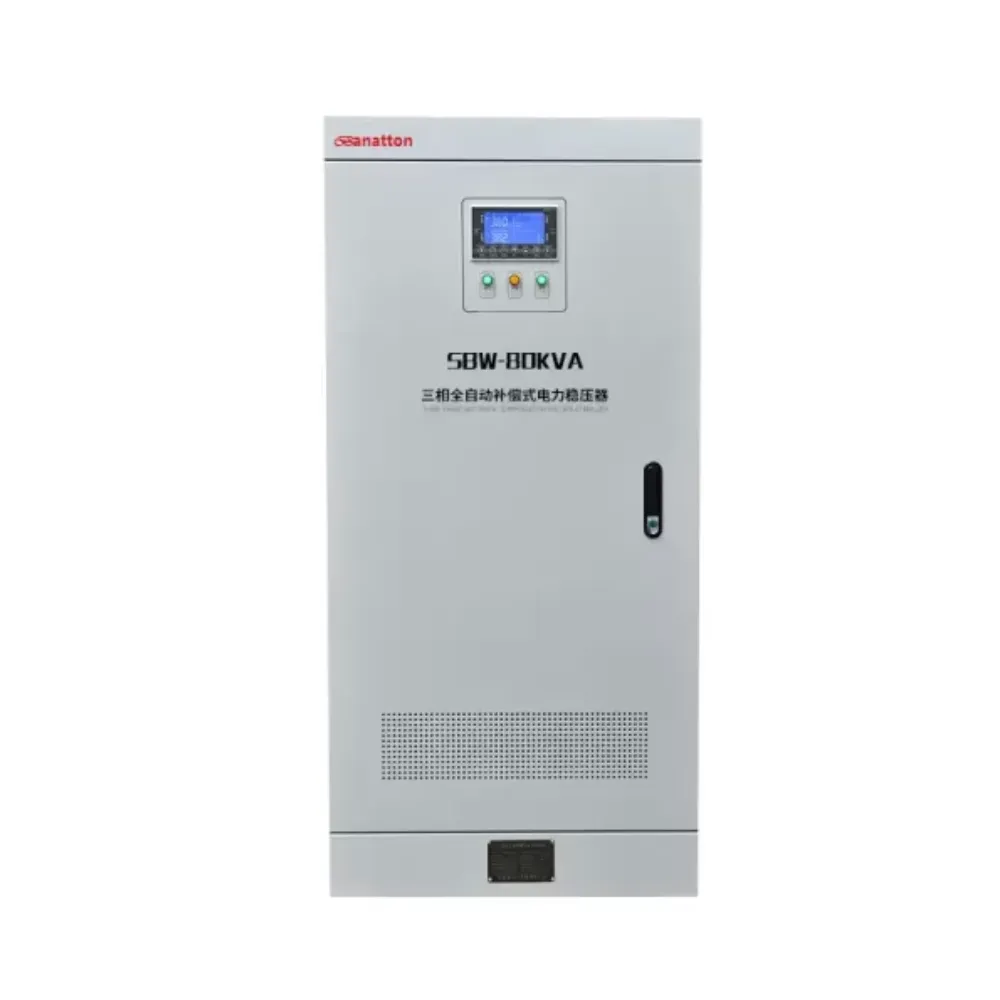
A request for quotation, or RFQ, should describe what the stabilizer must supply and under which conditions. Keep the site records with the request. That allows suppliers to answer the same requirement instead of filling gaps with different assumptions.
Use product tables as a starting point
The Banatton SVC single-phase product table separates an operating input range of 120–275 V from a regulation range of 140–260 V described as custom made. Ask which values and configuration apply to the quotation. Neither range establishes an unqualified full-output claim.
The Banatton SDV three-phase product table lists AC 240–450 V input and adjustable 380 V output entries of ±2% or ±4%. Confirm the voltage reference and the applicable conditions for the exact unit. Do not select the more favorable percentage without a matching specification.
These pages are examples for a single phase vs three phase voltage stabilizer document review. They are not a matched performance test or proof of identical capacity across operating conditions. Request the current data sheet and manual for the model offered.
The SVC page also has differing percentage descriptions between its short summary and table. Have the supplier resolve that discrepancy in the proposal. Do not build a new specification by combining values from different fields.
Preserve the version used for review
Attach the data sheet and drawing identified by the supplier. Record the proposed model, options and any written clarification. That gives the single phase vs three phase voltage stabilizer review a clear basis when the quotation changes.
Do not silently replace an earlier requirement with a newer assumption. Note the change and ask which rating or configuration needs another check. Keep the single phase vs three phase voltage stabilizer decision linked to the version that was approved.
Ask for a response to each requirement
| Buyer record | Supplier response needed |
|---|---|
| Supply and voltage references | Exact input/output arrangement and applicable drawing |
| Equipment permitted input | Supported output and stated rating conditions |
| Total and per-phase demand | Continuous and phase-specific limits |
| Starts and changing load | Applicable event capability and conditions |
| Unequal phase conditions | Regulation architecture and documented restrictions |
| Required protection and modes | Supplied functions, bypass behavior and instructions |
| Environment and service | Installation limits and applicable support documents |
For a single phase vs three phase voltage stabilizer review, mark each response as confirmed, based on an agreed assumption or still open. Add the document reference. That simple record makes it easier to compare offers and follow up on missing details.
The three-phase selection overview addresses the next step once a three-phase configuration is established. Keep this article’s phase-choice decision separate from the detailed procurement of that system. Do not repeat the full capacity calculation in every comparison document.
Single phase vs three phase voltage stabilizer questions
Does a three-phase site always need a three-phase stabilizer?
No. Define the equipment being protected and the supply at its intended installation point. A single-phase load and a three-phase machine present different requirements. The proposed model and installation still need confirmation against the actual arrangement.
Is total kVA enough to choose the configuration?
No. Keep per-phase demand, voltage references and load behavior with the total. A single phase vs three phase voltage stabilizer comparison must also address the model’s phase limits and rating conditions. Do not assume that spare total capacity resolves a heavily loaded phase.
Do all three-phase stabilizers regulate each phase independently?
No. Regulation architecture depends on the design. Ask the supplier to identify the control arrangement and show the applicable limits. A three-phase product name alone does not establish independent regulation.
Can I replace a three-phase unit with three single-phase units?
Do not assume direct substitution. A proposed arrangement requires assessment of the equipment, control, protection, neutral and operating modes as a system. Obtain the relevant drawings, manufacturer confirmation and qualified engineering review before approval.
Does a stabilizer change the supply phase or provide outage backup?
Do not infer phase conversion or stored-energy backup from voltage regulation. Specify either requirement separately and verify the actual system function. The phase and voltage descriptions must match the equipment and source arrangement being proposed.
A useful single phase vs three phase voltage stabilizer decision leaves a clear record of the source, load and model limits. Keep open questions with the quotation. Resolve them before approval. Contact Banatton with your supply and load records to discuss the configuration and supporting documents needed for review.