 26Sep

Modular UPS deployment needs an approved load and runtime brief, site readiness checks, electrical interface reviews, written tests, and an responsible project handover. Manage each stage through a release record that names the evidence, its revision, the approver, and any condition that blocks the next step.
An expandable frame can still arrive at a room that cannot accept it. Adding power modules doesn’t automatically increase battery runtime, bypass capacity, cooling, or the rating of upstream cables. The equipment may be modular while the site infrastructure remains fixed.
That gap matters when the site team, buyer, contractors, and operators work to different drawings. A quote can describe one setup while a delivery plan and test plan describe another. Each document looks reasonable until the team tries to put them together.
This guide organizes modular UPS deployment around those handoffs. You’ll learn which records to approve, when to hold a stage, and how a changed need affects later decisions. The examples and ledger help you connect project planning, UPS commissioning, and ongoing ownership. Qualified staff must use the chosen model’s instructions for electrical design, installation, and switching.
Key Takeaways
- A delivery release, an installation release, and permission to energize are separate decisions with different evidence.
- A changed load or cabinet can reopen site, battery, generator, protection, and test approvals, even when spare module slots remain.
- Factory acceptance, site acceptance, and integrated tests prove different scopes; keep setup and acceptance criteria with every result.
- Project handover needs working alarm ownership, current records, and written service boundaries as well as installed equipment.
Define modular UPS deployment scope and cost assumptions
Freeze the service need and comparison boundary
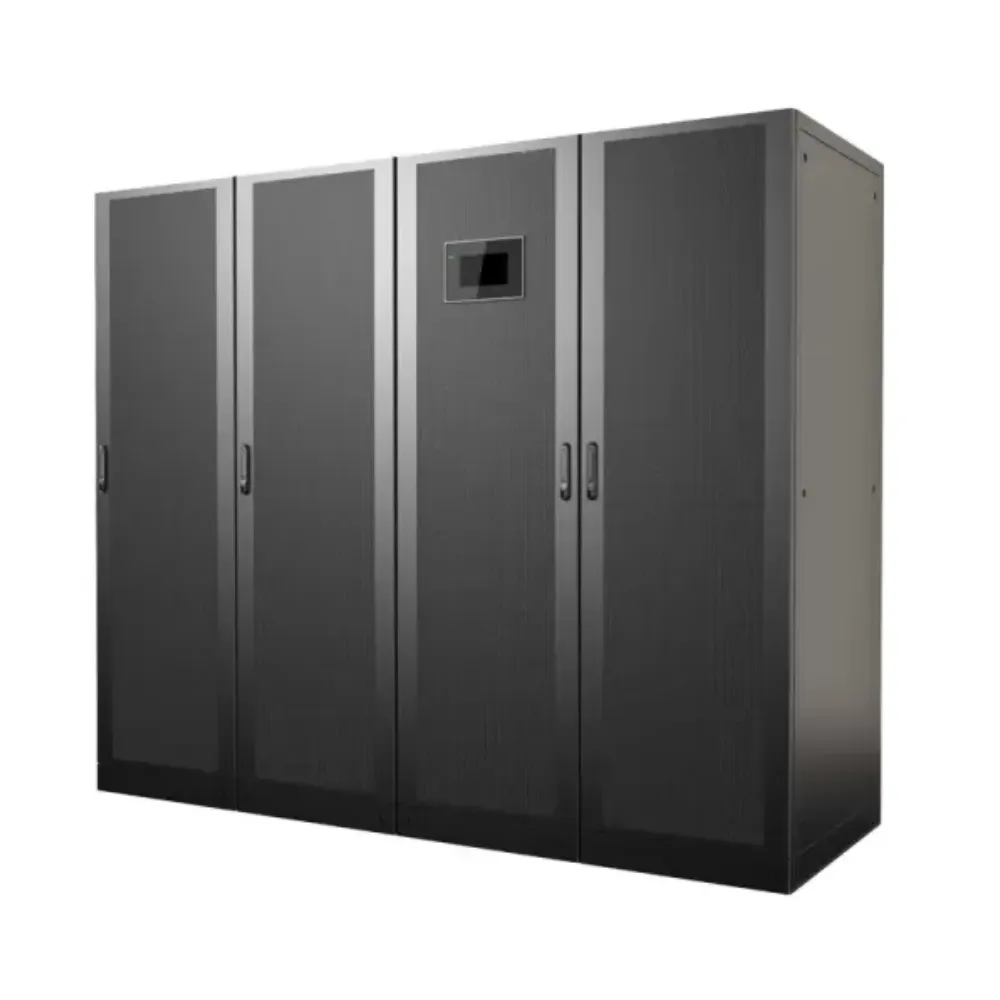
Start modular UPS deployment with a basis of design: the agreed needs against which the proposed system will be checked. Record protected loads, operating states, growth assumptions, required runtime, and the failure or maintenance condition the design must support.
If you’re preparing that brief, explore Banatton Group’s UPS systems and name the setup you want to discuss. Keep the inquiry tied to your load and project stage.
Distinguish initial installed capacity from the frame’s expansion limit. Also separate module redundancy from the availability of the complete power path. The existing modular UPS architecture guide explains capacity, N+1, and shared components; use those checks as inputs here.
A modular UPS deployment budget should compare alternatives that meet the same service need. Include equipment, batteries, installation, testing, cooling effects, maintenance, replacement parts, and later expansion work. Phased purchasing can defer equipment cost but may require repeat engineering or site visits.
Before accepting a runtime figure, review its load, battery arrangement, temperature, cutoff, and aging assumptions. Banatton’s UPS runtime calculation guide explains why matching discharge data matters. File the approved calculation with the design baseline.
Start a release ledger with document revisions
The modular UPS deployment ledger connects needs to decisions. Give each gate an ID, prerequisite documents, an responsible approval role, and an output. Name the people filling those roles within the project; a supplier and a contractor shouldn’t each assume the other approved an interface.
Use explicit statuses: blocked, under review, released, or released with stated conditions. A change control condition should name its allowed next task, owner, deadline, and proof of closure. A condition that affects the safety or validity of that task must remain a blocker.
For modular UPS deployment, change control starts here. Record document IDs and revisions rather than a folder link labeled “latest.” When a record changes, its reviewer decides whether dependent releases remain valid, require a limited review, or must be reopened.
Indigi’s published deployment process connects assessment, design, purchasing, and installation with deliverables. Use the same discipline of written handoffs while defining your own contract, schedule, and approval roles. Another provider’s delivery times or service inclusions don’t establish yours.
Clear site readiness before delivery and installation
Separate permission to deliver from permission to install
Modular UPS deployment site readiness has more than one milestone. A site can be ready to receive stored equipment while still awaiting electrical work. Yet, a completed room may have an unsuitable route from the loading bay to the final position.
For modular UPS deployment, separate release to deliver from release to install. Delivery evidence should address the exact shipping arrangement, route, handling plan, receiving responsibility, and storage conditions. Installation evidence should address the final layout, structural review, service access, environment, and prepared interfaces.
Don’t approve site readiness using a generic cabinet drawing. Match shipping dimensions and weights to the delivery route, then match installed equipment and battery details to the final position. Floor or rack checks should cover the needed concentrated loads and handling conditions, as assessed by the responsible specialist.
Cooling also belongs in the site readiness record. Request the selected setup’s heat-rejection data at the needed load and operating mode. Coordinate it with other room loads and the planned outage conditions; don’t assign a universal cooling allowance from the UPS nameplate.
Resolve blockers against the current setup
Hypothetical scenario: Jordan’s revised cabinet.
On November 3, facilities lead Jordan approves route survey SR-01 Rev A against cabinet drawing GA-01 Rev A. On November 6, a revised expansion plan introduces a different cabinet. Its shipping envelope no longer matches the surveyed turning space, so Jordan marks the delivery gate blocked.
The logistics contractor supplies route survey SR-01 Rev B, and the designer updates the layout to GA-01 Rev B. The responsible reviewers confirm the revised route, placement, and handling plan before Jordan records a new delivery release.
These are fictional project records, not a Banatton customer case.
The lesson for modular UPS deployment is simple: keep proof of what changed. In change control, keep the old approval, explain why it no longer applies, and attach the new proof. A revised survey closes the route issue in the change control record. It does not approve all site readiness checks or give permission to energize.
Add site readiness deadlines to the buying schedule and the UPS commissioning plan. The site readiness plan should name who receives damaged shipments, controls storage, and checks battery storage or charging needs against the maker’s instructions. Those responsibilities can otherwise remain invisible between purchase and installation.
A weekly modular UPS deployment review should focus on site readiness blockers that affect the next task. Ask which document or decision is missing, who can supply it, and what evidence will close it. Site readiness becomes an clear decision rather than a percentage-complete estimate.
Resolve generator, bypass and protection interfaces
Get a state-based electrical review
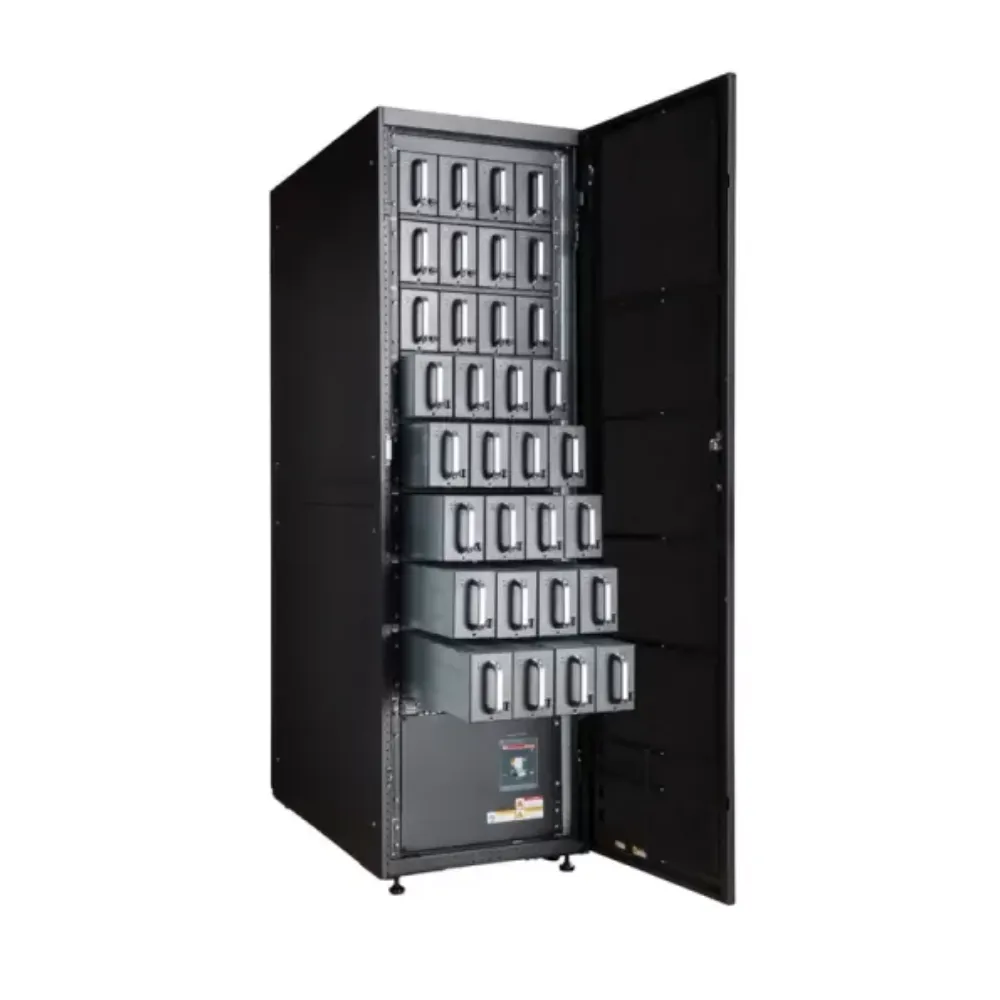
Electrical interfaces determine whether modular UPS deployment works as a system. Have the responsible designers review normal supply, battery operation, generator operation, static bypass, and maintenance arrangements where needed. Each state can change the available source, loading, protection behavior, and allowed work.
For generator supply, get the proposed load, conversion losses, battery-recharge demand, and other concurrent loads. Request the needed input-control and dynamic-response data from the equipment suppliers. A generic generator-to-UPS size multiplier cannot establish acceptable performance.
Protection review needs the needed source and UPS fault-current data, protective-device characteristics, and approved settings. The electrical engineer should assess each needed operating state in the modular UPS deployment plan. A fault-clearing assumption based on bypass supply may not describe a current-limited inverter state.
This modular UPS deployment review should also name shared paths. Record the bypass source, upstream distribution, battery arrangement, and any common controls needed to the required resilience. Ask who owns each interface and where its accepted design appears in the drawing set.
Apply change control across affected gates
Continue Jordan’s hypothetical project. A changed load schedule LS-01 Rev B replaces Rev A, and the proposed frame changes with it. Change control record CR-02 links that decision to the route blocker and to the engineering documents that used the earlier load.
| Changed input | Dependent evidence to review | Responsible review role | Release consequence |
|---|---|---|---|
Load schedule LS-01 Rev B | Capacity and redundancy review; battery study BAT-01 | Electrical designer and equipment supplier within agreed scopes | Reopen setup acceptance until the revised need is checked |
Cabinet drawing GA-01 Rev B | Route SR-01; structural, layout, access, and cooling records | Facilities, logistics, structural, and cooling reviewers | Hold affected delivery or installation activities |
| Revised input and recharge demand | Generator review GEN-01; power-path drawing SLD-01 | Electrical designer with generator and UPS suppliers | Reassess the needed interface approvals |
| Revised setup and settings | Protection study PRO-01; test plan TP-01; asset register | Protection engineer, test lead, and operations | Update acceptance and project handover evidence |
The modular UPS deployment manager records the review outcome, not just that a document was sent. In this example, the battery study needs revision, while a cooling reviewer confirms the existing design still covers the revised conditions. Both outcomes need reasons and a reference.
After the responsible parties accept the revised battery, generator, protection, and test inputs, the manager reissues the affected releases. CR-02 closes only when its dependencies are resolved or clearly excluded with an approved justification. This is change control across stages; buying another module is only one possible equipment action.
Change control also applies when the hardware stays the same. A new load sequence, battery setting, firmware version, or monitoring setup can change what earlier evidence proves. Ask which records depend on the changed item before deciding the review is complete.
Plan modular UPS deployment acceptance and evidence
Separate factory, site and integrated testing
Build the acceptance plan before booking UPS commissioning. Name what must be shown, where it will be tested, who provides the method, and which document defines acceptance. Agree witness responsibilities and the treatment of deviations before the test starts.
Mitsubishi Electric’s service FAQ distinguishes startup from broader commissioning. It describes integrated testing involving generators, automatic transfer switches, distribution, and cooling. That distinction helps define scope; it doesn’t prescribe an identical test program for every installation.
For modular UPS deployment, use three evidence layers. Factory acceptance testing (FAT) checks the agreed factory scope and setup. Site acceptance testing (SAT) checks the installed system against the approved site needs. Integrated testing checks selected interactions between systems under an approved plan.
In modular UPS deployment, a factory result cannot prove a site cable connection or alarm destination. Equally, a successful startup doesn’t by itself prove the required outage sequence, runtime, or protection assumptions. Keep those claims separate in the UPS commissioning record.
| Test record field | What to retain |
|---|---|
| Identity | Test ID, equipment serial numbers, module setup, battery arrangement, software and settings references |
| Prerequisites | Accepted installation checks, needed design revisions, permits or authorizations required by the site |
| Method | Approved procedure, test load and conditions, measurement arrangements, stop conditions |
| Acceptance source | Exact project need, manufacturer document, or approved engineering criterion |
| Result | Measurements, findings, events, timestamps, and witness details |
| Closure | Pass, deviation, required repair, retest reference, and release decision |
Close defects with traceable retests
During modular UPS deployment, a failed test should create a specific issue record. Describe the need, observed result, affected equipment, operating impact, and responsible party. “Commissioning incomplete” gives the next reviewer too little detail.
UPS commissioning defects need an agreed disposition. The team running UPS commissioning may fix the fault and retest, correct a flawed test method, or submit a design change for approval. Keep the original UPS commissioning result visible. The change control record should name what changed and which test was repeated.
Classify open items by their effect on release. An unresolved protection issue cannot be treated like a missing document label. Conditional acceptance must state the allowed operating boundary and the authority accepting it; the ledger itself grants no permission to energize.
Before closing modular UPS deployment acceptance, compare the tested setup with the installed asset register. An unrecorded module or settings change can leave a sound UPS commissioning test attached to the wrong baseline. Log it through change control.
Preparing a project inquiry? Assemble your approved load brief, proposed setup, installation scope, and required test records before requesting a quotation. Ask suppliers to name what their proposed scope includes and what another party must deliver.
Hand over monitoring and long-term service
Prove the alarm reaches an responsible person
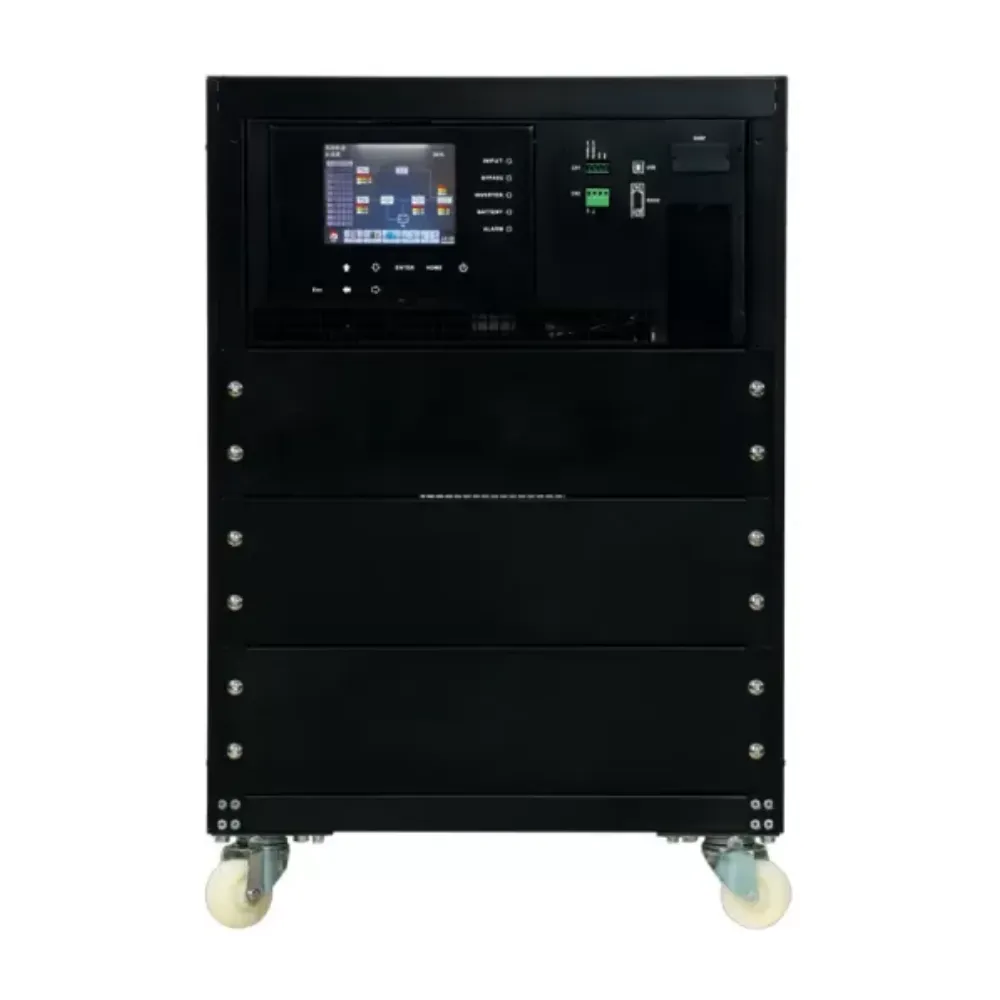
Project handover should give the duty team what they need to run the system. For modular UPS deployment, confirm status points, alarm meanings, timestamps, what happens if the link fails, who gets alerts, and who must act. A protocol name alone doesn’t prove a useful integration.
Uniti Power’s installation and commissioning guidance clearly includes proving alert receipt and recording the equipment setup at handover. Use that check in your project handover and monitoring plan. Its product-specific interfaces don’t establish support on a Banatton model.
Hypothetical scenario: Avery’s missing alarm recipient.
During a November 20 handover rehearsal, operations lead Avery sees a test alarm on the local display, but the destination mailbox belongs to a former team member. They leave monitoring test MON-04 open, assign the current duty group, and coordinate a revised routing setup.
The team repeats the approved test and records receipt and acknowledgment under MON-04 Retest 1. Avery accepts the monitoring item only after the intended recipients can respond.
This fictional example illustrates an evidence gap, not a measured customer outcome.
The modular UPS deployment record should retain that routing change and its retest. Use change control when contacts, monitoring software, network rules, or equipment settings change later. The project handover baseline and its change control log need an owner after the project team leaves.
Make support and spare-part commitments clear
For modular UPS deployment and project handover, collect the current drawings, asset list, settings references, test records, battery baseline, operating instructions, training record, and open-item register. Store them where the operations team can retrieve them during an event. Apply site access controls to sensitive settings and network detail.
In modular UPS deployment, “spare module available” needs supporting detail. Request the approved part ID, compatible hardware and firmware conditions, storage needs, replacement authority, and return or repair process. A similar-looking module isn’t proof of compatibility.
Keep warranty, response time, repair turnaround, and spare availability in their needed written terms. A support telephone number doesn’t establish an on-site response commitment. Project handover should name the responsible supplier and the escalation route without inventing a service level.
Close the operations gap with a useful review: can the duty team name normal status, locate instructions, report an alarm, and find authorized support? Keep the training scope and attendance with the project handover records. Don’t treat attendance alone as proof that every participant can perform electrical service work.
Add a cutover plan for replacement projects
Record temporary protection and decision authority
A replacement modular UPS deployment has an extra dependency: the existing load may already be live. Document the actual power paths and load connections before agreeing the change window. The modular UPS deployment team should check old drawings on site where details are unclear.
State temporary protection, allowed interruption, affected services, and who can approve, pause, or cancel the work. Ask the electrical and operations teams to define what happens if a source is unavailable or the work overruns. Don’t assume module redundancy provides an independent path during every maintenance task.
Banatton’s industrial UPS selection guide covers load boundaries and installation responsibilities. Carry those accepted inputs into the migration plan, then add the sequencing and decision evidence needed for this particular replacement.
Reassess rollback after the point of no return
For modular UPS deployment in an occupied facility, rollback needs conditions, resources, authority, and a useful endpoint. Once equipment or cabling has been removed, restoring the previous arrangement may require more work than the remaining window allows.
Change control should name that limit before cutover. State which findings require a pause, when return to the old arrangement remains feasible, and what contingency applies after that point. Only the qualified project team can establish the actual switching method.
Feed migration changes back through change control into site readiness and UPS commissioning. Temporary equipment may alter access, cooling, sources, or test conditions. A new-system test doesn’t approve temporary gear that has not been tested. Include that setup in the UPS commissioning scope.
Review modular UPS deployment readiness and next steps
Copy the stage-owner-evidence ledger
Use this ledger to manage modular UPS deployment approvals. Replace the suggested roles with the people and contractual responsibilities assigned to your project. Site readiness and UPS commissioning may have several reviewers; name one responsible release role for each decision.
| Gate and prerequisite | Responsible role | Required output and release evidence | Reopen when |
|---|---|---|---|
| G1: Needs agreed | Owner’s project lead | Approved load, runtime, resilience, scope, and cost assumptions with revision IDs | Required service or load changes |
| G2: Setup reviewed against G1 | Design lead | Accepted setup, battery study, and interface responsibilities | Frame, module, battery, or design basis changes |
| G3: Site readiness matched to G2 | Facilities lead | Separate delivery and installation releases, backed by surveys and current drawings | Equipment envelope, route, environment, or layout changes |
| G4: Electrical interfaces reviewed against G2/G3 | Electrical design authority | Accepted source, bypass, generator, and protection records | Sources, loads, topology, or settings change |
| G5: UPS commissioning prerequisites met | Authorized test/release authority under the site plan | Approved methods, results, defect dispositions, and permission for the specified next task | Tested setup or acceptance basis changes |
| G6: Operating acceptance supported by G5 | Operations lead | Project handover package, alarm receipt, training, support scope, and open-item ownership | Operating setup or responsibilities change |
Keep the full site readiness and change control entries behind this overview. For each gate, record its status, owner, approver, decision date, prerequisite revisions, evidence location, open deviations, due dates, and next allowed task. G5 may contain separate startup, site-test, and integrated-test releases rather than one combined approval.
This modular UPS deployment ledger tracks decisions; it doesn’t replace engineering approval, permits, or operating procedures. Retain the history when a gate reopens so later reviewers can understand which evidence remains needed.
What should be ready before UPS commissioning?
The approved installation checks, current design and setup records, test methods, required site authorizations, and responsible staff should be ready. For UPS commissioning, also confirm test tools, network access, and operating limits. These are UPS commissioning prerequisites to agree with the selected service provider, not a universal startup checklist.
Can adding modules change earlier approvals?
Yes. A modular UPS deployment change can affect the load reserve, battery runtime, input demand, cooling, protection, and acceptance evidence. Use change control to name the documents that depend on the revised condition. Reapprove affected gates before relying on their earlier releases.
Is factory testing enough for project handover?
No. Factory testing covers its agreed factory scope. Project handover also needs evidence for the installed setup and the required site interactions, plus records and responsibilities that operations can use. Agree the needed UPS commissioning and integrated-test scope before treating the system as accepted.
What belongs in the project handover package?
Include current drawings, equipment identity and setup, settings references, accepted test results, battery records, operating instructions, training, needed service terms, and open-item responsibilities. Match the package to the installed system. A modular UPS deployment and project handover folder is useful only if its users can find and use the records.
Move the project forward with an approved baseline
A workable modular UPS deployment plan connects the approved need to the equipment, the room, the electrical interfaces, and the evidence accepted by operations. Its value comes from keeping those records aligned as decisions change. A cabinet delivery date is only one milestone in that process.
Start by finding the earliest unresolved dependency. If site readiness is blocked, name the missing survey or drawing. If UPS commissioning is blocked, confirm the method, setup, resources, and authorizations. If project handover is blocked, check alarm ownership, records, training, and written support boundaries.
Keep change control active after each release. Preserve the accepted baseline, name downstream effects, and get the needed approvals before relying on an earlier result. This gives facilities and operations a clear starting point for later expansion or service.
For your modular UPS deployment inquiry, request a quote from Banatton. Provide your project stage, new-build or replacement status, approved load brief, supply details, required runtime, and delivery scope. Ask which setup and documents apply to your project, then record the agreed boundaries in the next approved revision.