 07Jan
07Jan

Introduction
A hybrid solar inverter combines grid-tied, off-grid, and battery management in one unit. It saves money by prioritizing solar power, keeps your customers’ lights on during blackouts.
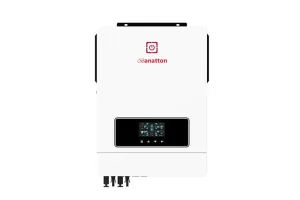
But is it worth the investment? Yes — with the right configuration. This article explains how hybrid inverters work, where they perform best, and whether the ECO-4.2KW, MAX-6.2KW, and MAX-10.2KW (24V/48V, single output) are right for your next installation.
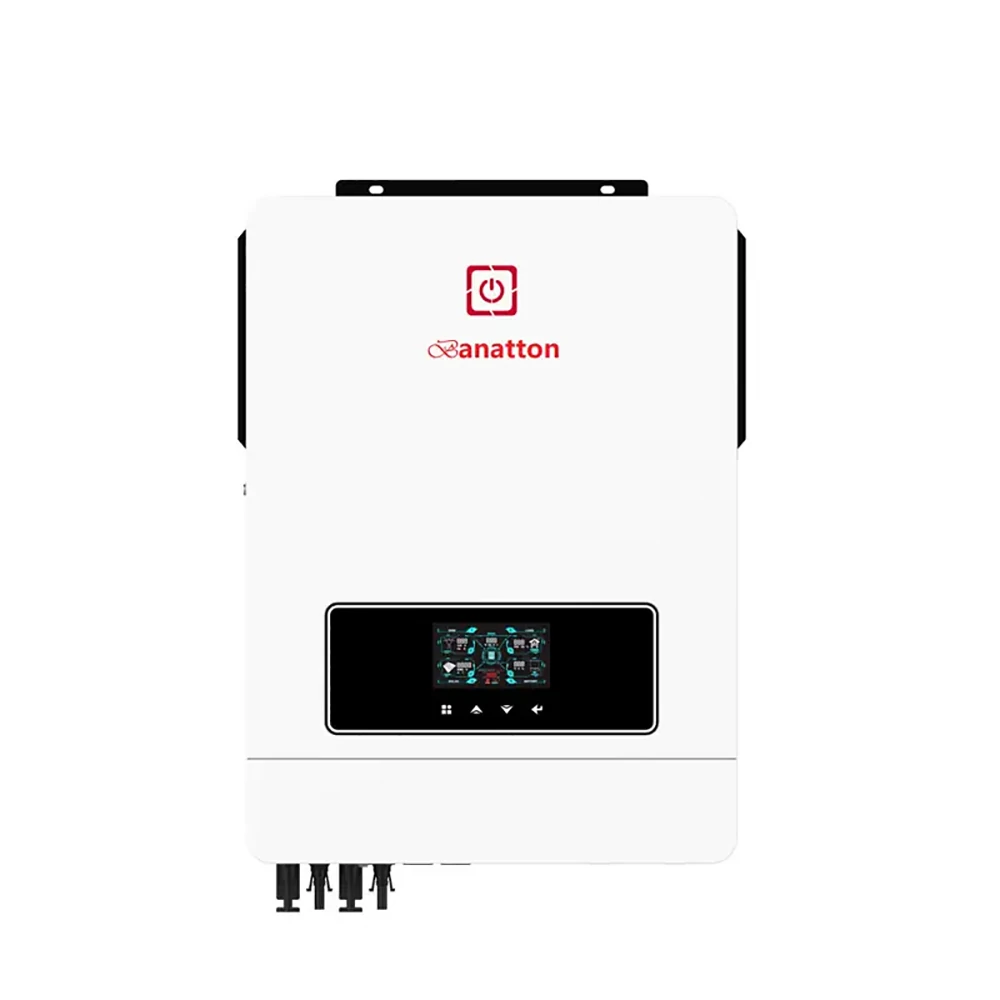
Definition of a Hybrid Inverter
A hybrid solar inverter combines the functions of a grid-tied inverter and an off-grid inverter. It converts DC power from solar panels into AC power for home use, manages battery charging and discharging, and seamlessly switches between solar, battery, and grid power. Unlike standard inverters, a hybrid unit can also feed excess energy back to the grid.
How Hybrid On Grid Inverters Work
In normal operation, solar energy powers your home first. Any excess charges the battery. If the battery is full, surplus energy can be exported to the grid. At night or during outages, the inverter draws from the battery. The models you’re looking at offer configurable AC/Solar input priority via an LCD setting, so you decide whether solar or grid takes precedence.
Key Features of Hybrid Solar Inverters
Bidirectional power conversion – Charges the battery and converts battery DC to AC for loads.
Integrated MPPT solar charge controller – Maximizes PV harvest with an MPPT voltage range of 60–450VDC.
Pure sine wave output – Essential for sensitive appliances like TVs, refrigerators, and microwave ovens.
Parallel operation – Up to 9 units can be connected for higher power.
Cold start function – Allows battery-only startup without grid or solar.
Advantages of Using Hybrid Solar Inverters
Energy Independence
With a hybrid inverter, you’re no longer helpless during blackouts. The auto restart feature restores operation as soon as AC power returns. The cold start function lets you power critical loads from the battery alone. For off-grid living, these inverters work seamlessly with 12V, 24V, or 48V battery banks.
Cost Savings Over Time
Although the upfront cost is higher than a standard inverter, efficiency quickly pays back. The DC/AC conversion efficiency reaches 98% in grid-tie mode and 94% in battery mode. The wide MPPT voltage range (60–450VDC) means you can use lower-cost, higher-voltage solar arrays. Plus, parallel capability allows you to start small and expand later.
Environmental Benefits
Using solar power can reduce carbon emissions. This AC inverter adopts a transformerless design, which not only improves operating efficiency but also reduces material consumption. It can power everyday appliances such as washing machines, air conditioners, vacuum cleaners, fans, and lights, making it ideal for converting an entire home to solar power.
Disadvantages to Consider
Initial Investment Costs
Hybrid inverters cost more than simple grid-tied or off-grid models. However, the price gap has narrowed. For example, the ECO-4.2KW offers a rated output of 4200W with a maximum AC charging current of 100A — features typically found in much more expensive units.
Complexity in Installation
Installation is more involved than a standard inverter. You need to configure charging current, input voltage range, and priority settings. Fortunately, the aluminum housing and compact size (e.g., 420×350×110mm for 6.2KW) make physical mounting easier. Still, hiring a certified installer is recommended.
Potential Limitations with Grid Connection
Depending on the specific configuration settings, this inverter requires the utility voltage to remain within the range of 90–280 VAC or 170–280 VAC to operate normally. While this voltage range covers the vast majority of regions, if the utility voltage in your area experiences significant fluctuations, the inverter may switch operating modes too frequently—which can be disruptive.
The solution is quite simple: set the AC startup voltage to approximately 120–140 VAC. By doing so, the inverter will switch to utility power only when the voltage is stable, thereby effectively minimizing unnecessary mode switching.
Is a Hybrid Solar Inverter the Right Choice for Your Project?
4 Key Questions for B2B Buyers & Installers
1. Do you already have a battery bank, or plan to add one later?
If yes, go with a hybrid inverter. It’s much simpler than upgrading a standard inverter later. Models like the ECO-4.2KW / MAX-6.2KW / MAX-10.2KW come with built-in MPPT controller and smart battery charging — ready to use out of the box.
2. Do your customers need pure sine wave output?
If they have TVs, refrigerators, microwaves, or air conditioners → pure sine wave is a must. It protects sensitive electronics and reduces after-sales issues — better for your B2B business.
3. What power level is right for your project?
4.2 kW → Small homes, rural houses, basic loads
6.2 kW → Average household (2–3 rooms, standard appliances)
10.2 kW → Large homes, small B&Bs, offices, light commercial use
All are single-phase, pure sine wave, and support 24V / 48V battery systems.
4. Do you want the ability to scale up later without replacing units?
Yes — these models support parallel operation (up to 9 units).
Start small, add more as demand grows. Great for installers who want repeat business and flexible system design — no need to replace existing units.
Conclusion
So, are hybrid solar inverters worth it? For anyone seeking energy independence, protection against blackouts, and long-term savings, yes. Solar Our Solar Inverters with MPPT like the ECO-4.2KW, MAX-6.2KW, and MAX-10.2KW offer MPPT charging, pure sine wave output, parallel expansion, and smart battery management — all at a competitive price point.
If you already have or plan to buy batteries, a hybrid inverter is not just worth it; it’s the smartest component in your solar system.