 07Jan
07Jan

Introduction
Lead-acid batteries have powered industrial and commercial applications for over a century. Today, they remain a core energy storage solution for power systems, transportation, and industrial production. This guide walks B2B buyers through the key factors to consider, using our sealed lead-acid batteries as a reference example.
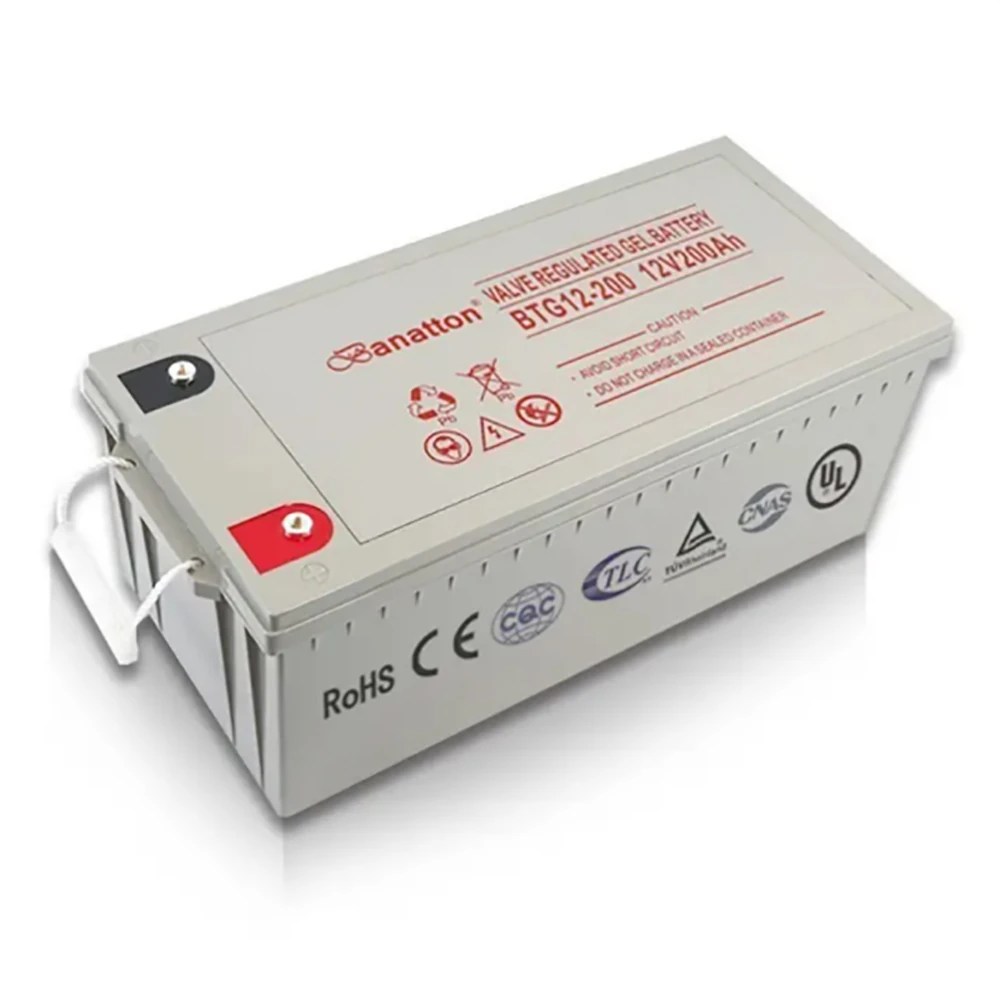
Overview of Lead Acid Batteries
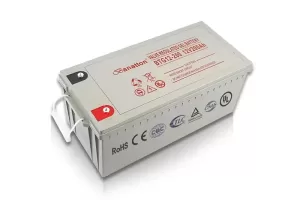
Batteries lead acid operate by converting chemical energy into electrical energy through a reaction between lead dioxide, sponge lead, and sulfuric acid. The product featured throughout this guide is a Sealed Acid Battery with the following specifications:
| Parameter | Specification |
| Place of origin | China |
| Voltage range | 12V / 2V |
| Sealed type | Sealed, maintenance-free |
| Capacity range | 4.5AH – 250AH (65AH, 100AH, 200AH common) |
| Terminal | Copper |
| Container material | Strong ABS |
| Low pressure exhaust system | Yes |
| Operating temperature | -20℃ to 50℃ |
| Recommended temperature | 25℃ |
This sealed acid battery is “maintenance-free,” unlike older batteries that require regular water additions and acid checks. It also won’t leak acid even when tilted or inverted, so it can be safely installed in places that are difficult to access or maintain.
Importance of Choosing the Right Battery
Selecting the wrong battery can lead to premature failure, system downtime, and increased long-term costs. Before purchasing batteries lead acid, three questions need to be considered:
What is the typical depth of discharge (DOD)? – The battery lifespan is different depending on whether you use a little electricity every day or occasionally run out of power.
What is the operating temperature range? – Extreme temperatures affect both capacity and lifespan.
Take a 48V 200Ah battery pack as an example: if it is discharged only 30% per day (for example in a typical solar energy storage application), the requirements for battery “durability” are very different from those if it is fully discharged (100%) only once a week (for example for emergency backup power). If this distinction is not understood, it is very easy to purchase unsuitable products.
Types of Lead Acid Batteries
Flooded Lead Acid Batteries
Require regular watering, ventilation, and maintenance. Lowest upfront cost but highest long-term labor expense. Not suitable for indoor or sealed enclosures.
Sealed Lead Acid Batteries (VRLA)
Maintenance-free and spill-proof.
Advantages of this Sealed Acid Battery design:
Good stability and high reliability
Long service life
Maintenance-free operation
Low self-discharge rate (<2% per month at 25℃)
Very strong discharge recovery ability
Wide working environment temperature (-20℃ to 50℃)
Considerations When Buying Lead Acid Batteries
Capacity and Performance
Battery capacity is expressed in ampere-hours (Ah), which determines how much electricity a battery can store. For example: a 12V 200Ah sealed lead-acid battery stores approximately 2.4 kWh of energy. If you need a higher voltage, you can connect four such batteries in series to form a 48V 200Ah battery pack, which will deliver approximately 9.6 kWh of total storage.
Our product line offers flexible capacity options ranging from 4.5Ah to 250Ah. The most popular specifications for wholesale buyers include 12V 65Ah, 12V 100Ah, and 12V 200Ah.
Cycle Life and Lifespan
Design floating life: 15 years at 25℃
Self-discharge rate: less than 2% per month at 25℃
These numbers have practical implications for buyers:
At 30% DOD (daily solar storage or grid regulation): 1,700 cycles = over 4.5 years of daily cycling
At 50% DOD (transportation or industrial applications): 800 cycles = approximately 2.2 years of daily cycling
At 100% DOD (emergency backup): 400 cycles = nearly 8 years if discharged once weekly
The Sealed Acid Battery also provides very strong discharge recovery ability. Even after deep discharge events, the battery can be recharged and return to normal operation.
Temperature impact on lifespan:
Operating at 25℃ produces the rated 15-year floating life
Operating at 35℃ roughly halves the lifespan
Operating at -20℃ reduces effective capacity but does not permanently damage the battery
The recommended operating temperature is 25℃, with an applicable environment range of -15℃ to 50℃ and an absolute operating range of -20℃ to 50℃.
Safety and Certifications
For international B2B purchases, certification verification is non-negotiable. The featured Sealed Acid Battery holds:
CE Certificate – Number: M.2021.206.C67563
Additional safety features include a low pressure exhaust system that prevents internal pressure buildup, and a strong ABS container that resists impact and acid leakage.
How to Choose a Trusted Supplier
If a supplier proves unreliable, it can turn into a disastrous investment. So, what exactly distinguishes a trustworthy supplier? Here are four key factors to consider:
1. Verifiable Performance Data
Excellent suppliers don’t just make verbal claims about the quality of their batteries; they back those claims up by presenting actual test reports. For deep-cycle applications, you should specifically request to see real-world cycle life data across various Depths of Discharge (DOD).
2. Authoritative Certifications and Credentials
In the realm of international B2B trade, various certifications are non-negotiable prerequisites. At a minimum, these certifications demonstrate that the supplier adheres to internationally recognized standard systems, rather than merely following their own internal, self-defined rules.
3. Genuine OEM and Manufacturing Capabilities
Can the supplier provide customization services—covering aspects such as voltage, capacity, terminal interfaces, or packaging formats—to meet the specific requirements of your project? Do they possess sufficient manufacturing capacity to ensure your orders are delivered on time and without delays?
Allow us to introduce our brand: Banatton Group.
Banatton Group is a high-tech enterprise specializing in power electronics and digital technologies. Our business scope spans markets such as data centers, smart power grids, and clean energy, serving clients across more than 100 countries and regions worldwide.
Banatton holds ISO and CE certifications and implements a fully traceable quality control system covering the entire production process—from raw materials to finished products. With a monthly production capacity exceeding 10,000 units (or sets), we also offer comprehensive OEM customization services tailored to specific requirements regarding voltage, capacity, terminal interfaces, and packaging formats.
FAQ
1. How long will the battery last with daily use?
It depends on your daily discharge depth. At 25℃: 30% DOD = 1,700 cycles (4.5+ years); 50% DOD = 800 cycles (2.2 years); 100% DOD = 400 cycles.
2. Can it work in hot or cold environments?
Yes, from -20℃ to 50℃. But lifespan is best at 25℃ – at 35℃, it roughly halves.
3. Can I test samples before bulk order?
Yes. We accept sample orders to verify performance before committing to large volumes.
Conclusion
If you are looking for a reliable and cost-effective sealed lead-acid battery solution, consider a certified supplier like Banatton Group. Banatton Group has full CE and ISO certifications, provides OEM customization services, and has a monthly production capacity of over 10,000 units. If you are interested in our products, please contact us and tell us your voltage, capacity and application requirements so that we can provide you with a detailed quote.