 07Jan
07Jan
For residential and small business applications, choosing the right solar energy system has become increasingly important as energy storage needs continue to change. However, selecting the right Solar Inverter is one of the most important decisions when designing a residential or small commercial energy storage system.
A solar inverter does more than simply convert electricity. It determines how solar power, battery storage, grid electricity, and backup power sources work together. Among the available options, off Grid Solar Inverter and Hybrid Solar Inverter are two common solutions for different energy requirements.
The choice between an off Grid Solar Inverter and a Hybrid Solar Inverter depends on the application. Off-grid solar systems are commonly used in areas where grid power is unavailable. Hybrid inverters are a better fit for systems that require multiple power sources. They allow solar energy, battery storage, and grid power to work together according to different energy needs.
Knowing how off-grid and hybrid inverters work differently can help installers and project buyers choose a suitable option based on their energy requirements.
Understanding Solar Inverters for Energy Storage Systems
What Is a Solar Inverter?
A Solar Inverter is an essential component in a photovoltaic (PV) system. Solar panels generate direct current (DC) electricity, but most household and commercial electrical equipment requires alternating current (AC). Solar panels produce DC electricity, and the inverter changes it into AC power that can be used by household appliances and other electrical equipment.
In energy storage systems, the inverter also manages the connection between solar panels, batteries, electrical appliances, and external power sources. The right inverter helps make better use of solar energy and provides stable power for different types of electrical loads. For residential and small business projects, inverter selection usually depends on factors such as power capacity, battery configuration, grid availability, and backup power requirements.
How Does a Solar Inverter Work in a PV Energy System?
A typical solar energy system includes solar panels, batteries, an inverter, and electrical loads.
The solar panels produce DC electricity, which can be used directly by the inverter or stored in batteries. By converting solar-generated DC power into AC electricity, the inverter enables PV systems to support various residential and small business loads.
Why MPPT Technology Matters in Solar Inverters?
A Solar Inverter with MPPT technology can improve solar energy harvesting by continuously tracking the maximum power point of solar panels.
The built-in MPPT solar charge controller regulates DC power from the PV array and optimizes battery charging performance. This is especially important because solar output changes depending on sunlight conditions, temperature, and system operating conditions.
The hybrid solar inverter models equipped with MPPT/PWM solar charge controllers provide more efficient energy conversion and better system management for residential and small PV applications.
What Is an Off-Grid Solar Inverter?
How Off-Grid Solar Inverters Work
An off Grid Solar Inverter is designed for solar power systems that operate independently from the utility grid.
The inverter converts DC electricity generated by solar panels into AC power for connected loads. Excess solar energy can be stored in batteries and used when solar generation is unavailable, such as during nighttime or periods of low sunlight.
Because it does not rely on grid electricity, an off-grid system is suitable for locations where grid access is limited or unavailable.
Key Benefits of Off-Grid Solar Inverters for Remote Applications
The main advantage of an off-grid inverter is energy independence.
For remote areas, outdoor facilities, and independent power systems, an off-grid solar inverter can provide a stable electricity supply without requiring grid infrastructure.
Off-grid systems are commonly selected when users need:
- Independent solar power operation
- Battery-based energy storage
- Reliable electricity supply in areas without grid access
Limitations of Off-Grid Solar Power Systems
While off-grid systems provide independence, they require careful system design.
Since all energy comes from solar generation and battery storage, users need to consider power demand, battery capacity, and available solar resources.
For applications where grid connection is available and users want flexible energy management, a hybrid inverter may provide more operating options.
What Is a Hybrid Solar Inverter?
How Hybrid Solar Inverters Combine Solar, Battery, and Grid Power
A Hybrid Solar Inverter combines the functions of both off-grid and grid-connected inverters.
It converts solar DC power into AC electricity while also allowing energy storage through batteries. When connected to the grid, the system can switch between solar power, battery power, and grid electricity according to energy requirements.
This bidirectional energy flow capability allows solar energy and grid power to support each other, creating a more flexible energy management system.
Advantages of Hybrid Inverters for Residential Energy Storage
Hybrid inverters are increasingly used in residential energy storage systems because they provide multiple operating modes.
For example, solar energy can be prioritized for household consumption, while excess energy can be stored in batteries for later use. When solar production is insufficient, the system can use stored battery energy or grid power depending on the configured settings.
This flexibility makes hybrid solar inverters suitable for homeowners and small businesses looking to improve solar energy utilization.
How Hybrid Solar Inverters Improve Solar Energy Utilization
A hybrid system helps maximize the value of solar generation by coordinating different power sources.
Features such as selectable AC/solar input priority, smart battery charging design, and compatibility with mains voltage or generator power allow users to configure the system based on their specific energy needs.
Off-Grid vs Hybrid Solar Inverter: Key Differences
| Comparison | Off-Grid Solar Inverter | Hybrid Solar Inverter |
| Grid connection | Designed for systems without grid connection | Supports grid-connected and off-grid operation |
| Main power source | Solar panels and batteries | Solar panels, batteries, and grid power |
| Energy flexibility | Suitable for independent power systems | More flexible energy management |
| Application | Remote areas and standalone systems | Residential and small business energy storage |
| Backup capability | Battery-based backup power | Solar, battery, and grid switching |
The better choice depends on the project requirements. Off-grid inverters are suitable for independent solar systems, while hybrid inverters provide greater flexibility where grid connection exists.
Which Solar Inverter Is Better for Residential Energy Storage Systems?
When to Choose an Off-Grid Solar Inverter
An off-grid solar inverter is a practical choice when:
- The location has limited or no grid connection
- Independent solar power is required
- Battery storage is the primary energy source
Remote houses, cabins, and standalone facilities can benefit from off-grid solutions.
When to Choose a Hybrid Solar Inverter
A hybrid solar inverter is often preferred for homes with existing grid access and energy storage requirements.
It allows users to combine solar generation, battery storage, and grid power. This makes it suitable for homeowners who want greater energy flexibility and backup capability.
Factors to Consider Before Selecting a Home Solar Inverter
Before purchasing a solar inverter, buyers should evaluate:
- Required output power
- Battery voltage requirements
- Solar panel configuration
- Grid availability
- Future expansion needs
Which Solar Inverter Is Better for Small Business Applications?
Energy Independence for Small Businesses
Small businesses often need stable electricity for daily operations. A suitable solar inverter can help integrate renewable energy with battery storage to support continuous power supply.
Reducing Electricity Costs with Solar and Battery Storage
By using solar energy during operation periods and storing available energy, businesses can improve solar utilization and reduce dependence on external power sources.
Ensuring Reliable Backup Power During Grid Outages
Hybrid inverter systems can provide additional flexibility by supporting battery operation and switching between different power sources.
The ability to configure AC/solar input priority and support generator power makes them suitable for various small commercial applications.
Why Choose Banatton Hybrid Solar Inverter with MPPT Solar Controller?
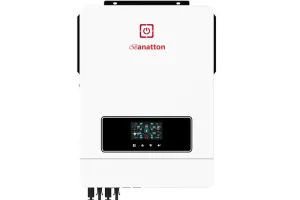
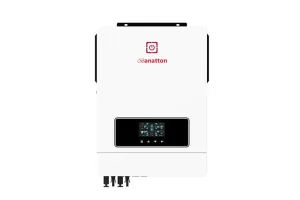
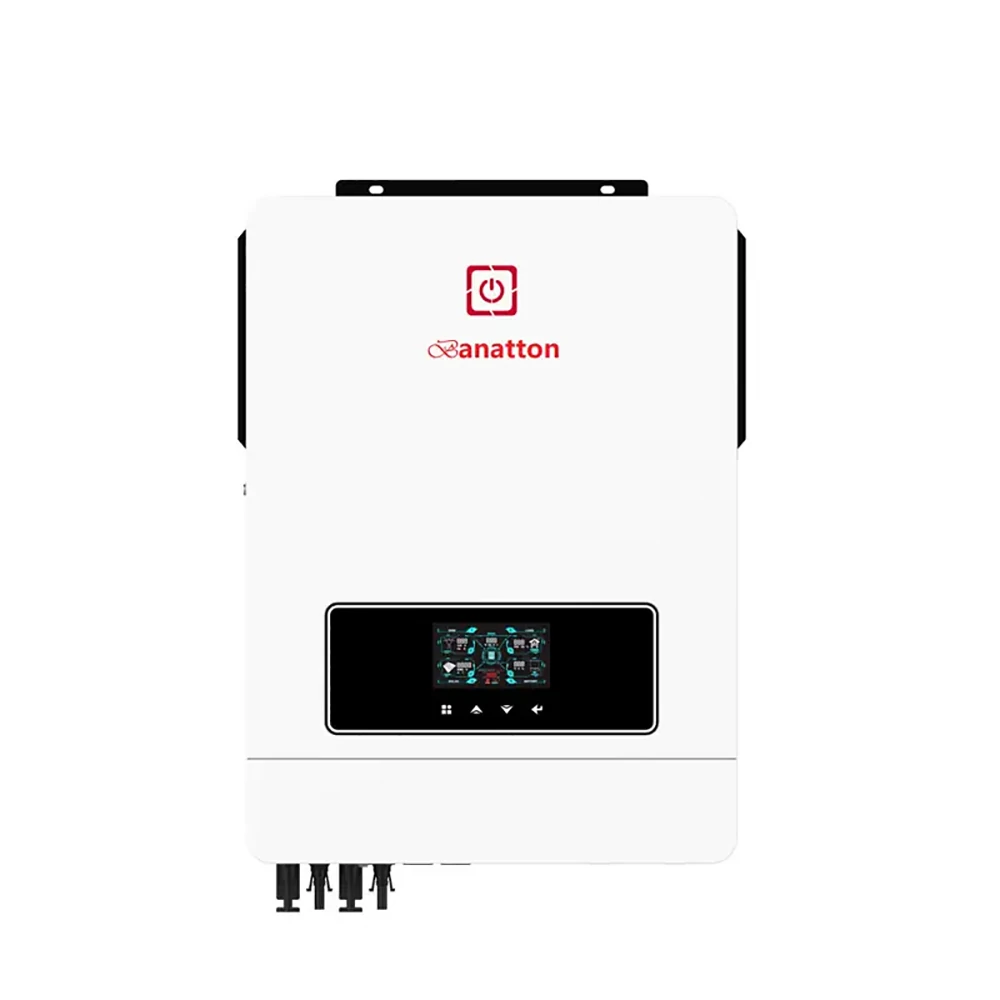
Backed by Banatton Group’s expertise in power electronics and clean energy solutions, our hybrid solar inverter series is designed to support reliable residential energy storage and small PV applications. As a high-tech enterprise specializing in smart power, data center solutions, and clean energy technologies, Banatton provides integrated power solutions for customers in more than 100 countries and regions worldwide.
Pure Sine Wave Output for Stable Power Supply
Banatton hybrid solar inverters provide pure sine wave output, helping deliver stable AC power for residential appliances and small business equipment. This design makes the inverter suitable for applications such as refrigerators, air conditioners, washing machines, lighting systems, televisions, and other common electrical loads.
Built-In MPPT Solar Charge Controller for Higher Efficiency
Each inverter integrates an MPPT/PWM solar charge controller to regulate DC power from the solar array and optimize battery charging performance. The MPPT function helps maximize available solar energy under different operating conditions, improving overall system efficiency for solar storage applications.
Flexible Power Options for Different Applications
Banatton offers multiple inverter power options to meet different energy requirements, including:
- ECO-4.2KW
- MAX-6.2KW
- MAX-10.2KW
The series supports DC 24V/48V battery configurations and AC output ranges suitable for residential energy storage systems and small PV plants. With flexible power selection, customers can choose a suitable configuration based on load requirements and project conditions.
Compatible with Grid, Generator, and Battery Systems
Designed for flexible energy management, Banatton hybrid solar inverters support mains voltage or generator power input and allow users to configure AC/solar input priority through LCD settings.
The inverter also supports communication interfaces including RS232, RS485, WIFI, GPRS, and lithium battery communication options, helping simplify system monitoring and integration.
Compact Design for Residential and Small PV Applications
Featuring a transformer-less design and aluminum housing, Banatton hybrid solar inverters provide reliable power conversion in a compact structure. The lightweight and installation-friendly design makes them suitable for small houses, indoor installations, outdoor PV systems, and other distributed solar energy applications.
By combining advanced power electronics technology, MPPT solar control, flexible operating modes, and Banatton’s experience in clean energy solutions, these hybrid solar inverters provide a practical choice for residential users, installers, and small-scale PV project developers seeking dependable energy storage solutions.
Conclusion: Choosing the Right Solar Inverter for Your Energy Needs
Both off-grid and hybrid solar inverters have their own advantages.
An off Grid Solar Inverter is ideal for standalone solar systems where grid access is unavailable. A Hybrid Solar Inverter provides more flexible energy management by combining solar, battery storage, and grid power.
For residential and small business energy storage projects, selecting the right inverter depends on the application’s power requirements, energy goals, and system configuration.
With MPPT technology, pure sine wave output, multiple power options, and flexible operating modes, a reliable solar inverter can help maximize solar energy utilization and support efficient energy storage solutions. Contact Banatton today to discuss your energy storage requirements and find the right inverter configuration for your application.
Frequently Asked Questions About Off-Grid and Hybrid Solar Inverters
What is the difference between an off-grid inverter and a hybrid solar inverter?
An off-grid inverter is designed for standalone solar systems without grid connection, while a hybrid solar inverter combines solar, battery, and grid functions for more flexible operation.
Can a hybrid solar inverter work without a grid connection?
Yes. A hybrid solar inverter can support off-grid operation by using solar power and battery storage when grid power is unavailable.
Why should I choose a Solar Inverter with MPPT?
An MPPT solar inverter helps maximize solar energy collection by tracking the optimal operating point of solar panels and improving charging performance.
What size solar inverter is suitable for a home energy storage system?
The suitable inverter size depends on electrical loads and system requirements. Models ranging from 4.2kW to 10.2kW can support different residential and small PV applications.