 26Sep

For a US home battery installation, EnergySage’s July 2026 guide reports $15,647 before incentives for 13.5 kWh of storage. Battery storage cost depends on the parts, usable capacity, power rating, and work included in the quote.
A cheaper battery can produce a more expensive completed project. An extra inverter, backup switch, wiring work, or freight charge can wipe out the saving on modules. That’s why two prices with the same kWh label can describe different purchases.
If you’re comparing proposals, the frustration is familiar: one supplier lists hardware, another quotes installation, and a third leads with projected savings. You need a shared scope before the figures mean much. An attractive payback claim cannot repair a missing item in the installed cost.
This guide compares home price data with cost models for business sites. It then shows how to compare usable capacity, account for charging losses, and prepare an itemized quote. All dollar examples use US dollars; local labor, tariffs, taxes, and approval requirements need separate checks. The calculations illustrate decisions, rather than predict a particular site’s results.
Key Takeaways
- EnergySage reports $15,647 before incentives for a 13.5 kWh home installation, approximately $1,159/kWh by division.
- Commercial cost models can include both $/kWh and $/kW components; using one alone understates the modeled total.
- A module price per nominal kWh is different from an installed price per usable kWh at the AC output.
- Charging losses, reserve settings, service costs, and tariffs change savings and payback.
- Compare complete project scopes before treating a lower battery storage cost as better value.
Battery storage cost benchmarks and their limits
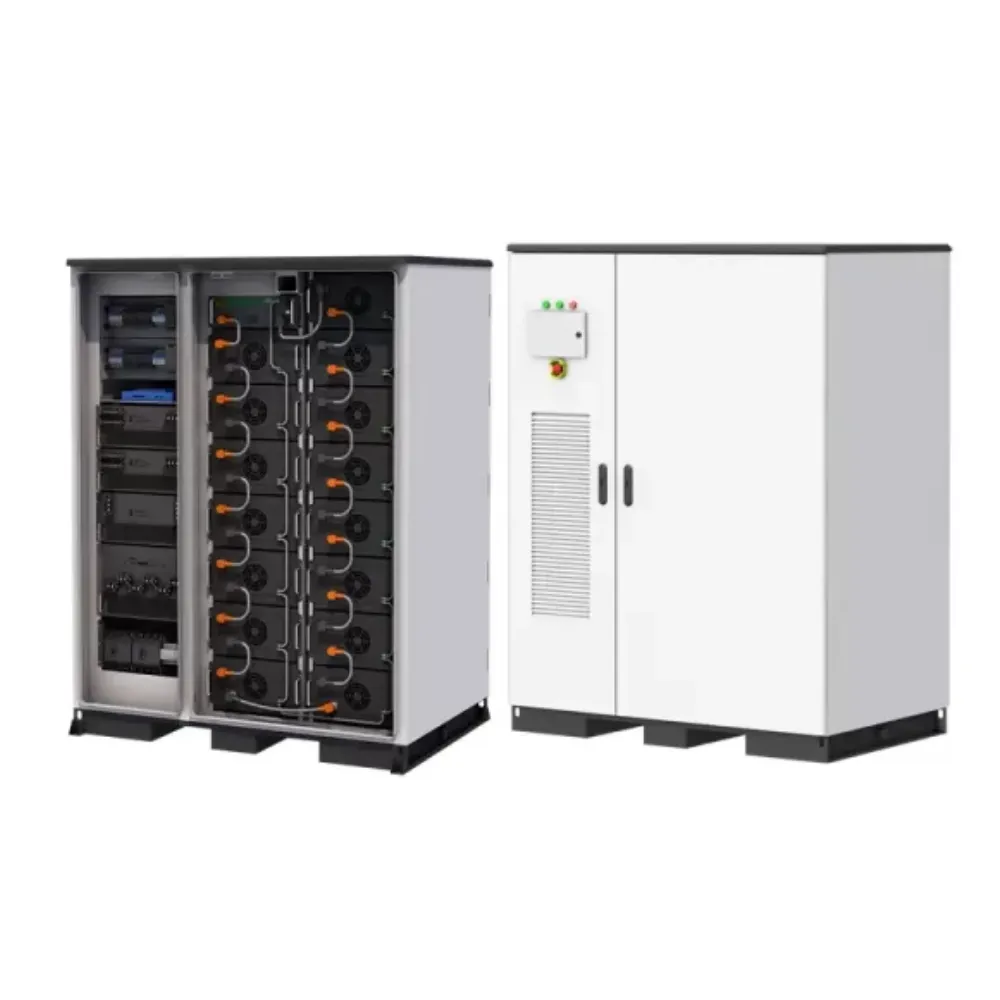
A home installation reference
The EnergySage battery cost guide gives the residential figure above and explains why prices differ across brands and locations. Dividing $15,647 by 13.5 kWh gives about $1,159/kWh. This is a reference from that marketplace, not a universal installed cost or a Banatton quote.
Use this battery storage cost to frame questions. Don’t scale it to every project size. Ask whether a proposal includes backup equipment, panel changes, and commissioning.
Check the usable capacity and the point where it is measured. Two home systems can have different backup functions even when their labels show similar storage.
Start by exploring Banatton Group’s storage battery range to identify the relevant category. The catalog includes lead-acid and lithium options, plus home and commercial storage categories. Confirm the exact equipment and installation scope separately.
Commercial and utility model defaults
A REopt maintainer update, dated October 7, 2026, provides the following ATB 2025-based installed cost components. They are model defaults expressed in 2025 dollars, not observed 2026 contractor prices.
| REopt class | Energy component | Power component | Derived total at four hours |
|---|---|---|---|
| Commercial | $560/kWh | $676/kW | $729/kWh |
| Large commercial | $278/kWh | $527/kW | $409.75/kWh |
| Utility | $236/kWh | $378/kW | $330.50/kWh |
The calculation is energy cost plus power cost divided by duration. For the commercial row, $560 + $676 ÷ 4 = $729/kWh. The model also allows a fixed dollar component; it is zero in these defaults.
Don’t turn the table into a commercial battery storage cost quotation. REopt uses load-profile rules to choose its class. Check how the model defines stored energy.
Equipment choices, usable capacity, site works, and market conditions can change the actual scope. The table explains why both power and energy belong in a budget.
What changes the installed cost?
Why battery storage cost includes more than modules
A complete battery storage cost starts with a list of what you get. A battery module stores energy. The wider system converts power, controls flow, and supplies the building through its safety devices. Installation adds the work needed at that particular site.
Ask suppliers to price or explicitly exclude each part:
- Battery modules, racks, enclosures, and battery management equipment.
- Inverter or power conversion equipment, controls, metering, and communications.
- Protection, disconnects, cabling, and any required backup switching.
- Delivery, unloading, foundations, mounting, trenching, and electrical changes.
- Design, approvals, interconnection, installation labor, testing, and commissioning.
- Taxes, service agreements, monitoring fees, and disposal obligations.
Adding storage to existing solar may need different parts from a new solar-and-storage project. A backup design may need switches and dedicated circuits. A system built to shift grid use may lack those parts. Confirm how the system operates during an outage before accepting its installed cost.
Chemistry, duty, and support
Battery storage cost also reflects the intended job. A standby system and one that cycles daily need different performance evidence. Check the model’s duty rating, heat and cold limits, charge limits, service access, and approved inverter pairing.
Lead-acid, absorbed glass mat (AGM), gel, and lithium iron phosphate labels need careful reading. AGM and gel are lead-acid constructions; lithium iron phosphate is a lithium-ion chemistry. The storage battery selection guide explains these distinctions and the selection checks behind them.
A chemistry name alone can’t prove life, safety, or payback. Ask for written warranty terms.
Check the allowed energy use, how much capacity it must retain, and who pays to replace it. Higher installed cost might buy a useful feature. Ask for proof that the quoted model provides it. Don’t assume a low module price includes the same support or usable capacity.
Compare battery storage cost per usable kWh
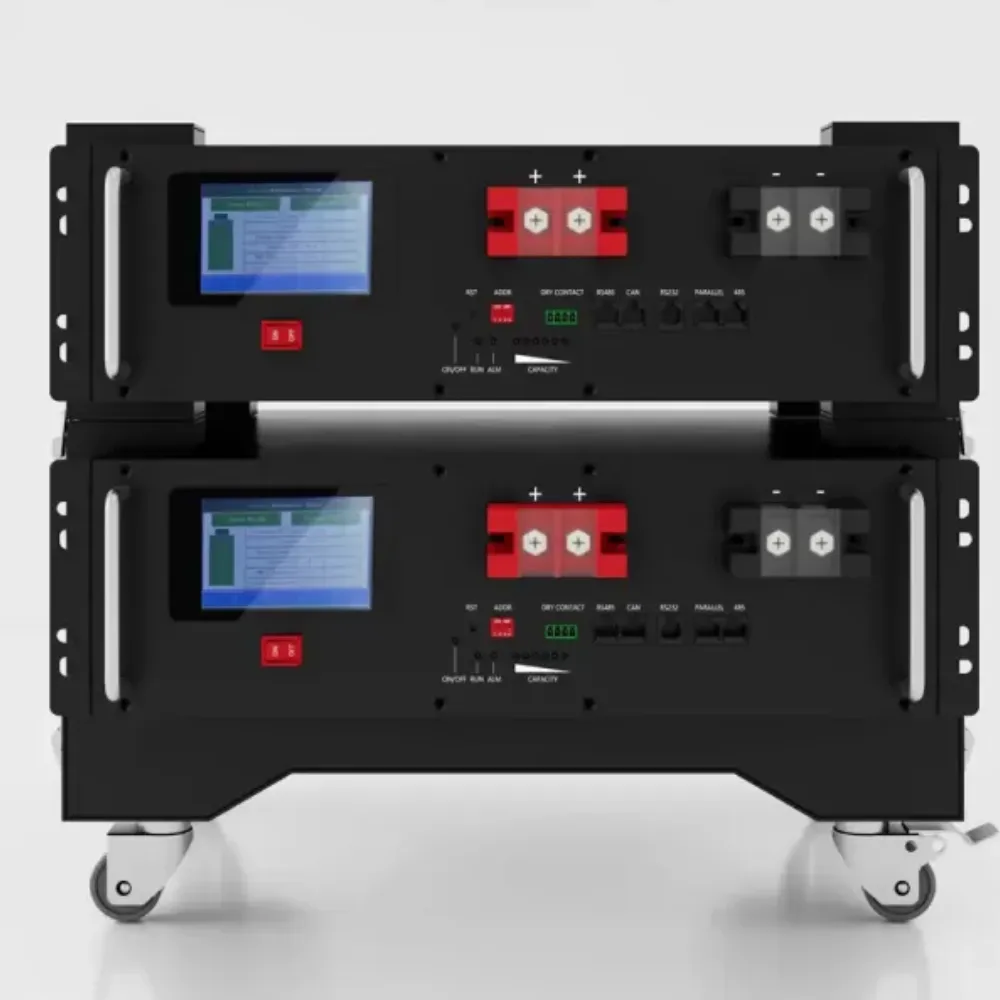
Alex’s module quote
Alex, a fictional buyer, receives an illustrative $8,000 equipment quote for 20 kWh of nominal battery energy. The headline price is $400 per nominal kWh. The assumed operating window allows use of 80% of that energy. That gives 16 kWh of DC usable capacity, at $500 per usable kWh for the equipment.
Alex’s battery storage cost has not gone up. They have changed the energy basis of the ratio.
They now ask for conversion equipment and installation to be itemized, then request an AC-output energy figure. The outcome is a clear basis for quotes. They can’t yet claim that these parts cost less than an installed home system.
The method for comparing battery storage cost is:
- Identify the quoted cost scope: modules, system equipment, or installed project.
- Record nominal energy and the specified usable capacity separately.
- State whether usable capacity is measured at the battery or the AC output.
- Divide equal-scope prices by energy measured at the same point and under comparable conditions.
- Keep power limits and backup functions beside the resulting ratio.
Use the battery capacity calculation guide if a proposal lists amp-hours rather than kWh. Voltage and rating conditions matter. Don’t apply an extra discharge-depth deduction when the stated usable capacity already includes it.
Check power, reserve, and aging
A low battery storage cost per kWh can hide a lack of power. Kilowatts describe the rate of delivery; kilowatt-hours describe energy. A system needs enough of both to support the selected loads, including starting peaks where relevant.
Ask how much usable capacity remains after the backup reserve is set. Energy reserved for an outage cannot also fund the full daily savings estimate. Heat, cold, aging, and the system’s own power use can also reduce what reaches the load.
Round-trip efficiency is the energy you get back divided by the energy used to charge. Both must be measured at a stated point. The 2025 ATB commercial storage methodology uses 85% as a model input. Don’t treat that figure as a rating for every battery or a Banatton promise.
Check the energy budget before comparing prices: use the solar battery sizing guide to define the load window, losses, reserve, and recharge requirement. This keeps a low battery storage cost from becoming an undersized system.
Calculate savings and payback with losses
Jordan’s example using two power rates
Jordan, a fictional facility planner, tests an assumed $40,000 installed cost against a simple energy-shifting schedule. The system delivers 100 kWh of AC energy each operating day for 300 days. The assumed avoided purchase rate is $0.30/kWh, the charging rate is $0.10/kWh, and AC-to-AC round-trip efficiency is 90%.
These are made-up inputs for a cost example. They do not describe a tested system or a project quote. Jordan includes $1,000 in annual service expense and leaves demand-charge savings at zero until a load study supports them. This makes the payback math easier to check.
| Annual calculation | Illustrative result |
|---|---|
| AC energy delivered: 100 × 300 | 30,000 kWh |
| Avoided purchases: 30,000 × $0.30 | $9,000 |
| Charging energy: 30,000 ÷ 0.90 | 33,333 kWh |
| Charging expense: 33,333 × $0.10, rounded | $3,333 |
| Net benefit after $1,000 service expense | About $4,667 |
| Simple payback: $40,000 ÷ $4,666.67 | About 8.6 years |
Jordan’s first spreadsheet treated charging energy as free. After correcting it, they use the lower net benefit for the first decision.
Can the system and recharge window meet that plan? Jordan still needs a load study to find out. The math is a first check, not a promised payback.
Stress-test the benefit
A useful battery storage cost assessment includes a downside case. If annual net benefit fell to $3,000, the same assumed installed cost would imply about 13.3 years of simple payback. The price stayed fixed; the plan for how to use it changed.
Check these inputs when weighing battery storage cost against savings:
- Charging source: Solar energy has a cost when storing it means you lose a payment for export or give up another use.
- Tariff rules: Check time periods, export payments, demand charges, and any rules that limit when you can charge or export.
- Dispatch: Confirm charging time, power limits, daily cycles, and reserve priority.
- Operating expenses: Add fees for remote checks, service, changes to insurance, and parts you may need to replace.
- Life and finance: Test lower output over time, loan costs, discount rates, and what you pay at the end of use.
Demand charges depend on measured peak demand under the tariff’s rules. A battery’s kW rating alone cannot prove a monthly saving. Don’t count a rebate or tax benefit until you have checked the current rules, dates, and who can claim it.
Simple payback ignores the time value of money and later cash flows. Total ownership cost adds up what you pay over the chosen period. Levelized cost of storage compares lifetime costs with energy delivered, both discounted to reflect timing. State whether charging costs are included, so the result can be checked. Each answers a different question from upfront battery storage cost per kWh.
Build a quote you can compare
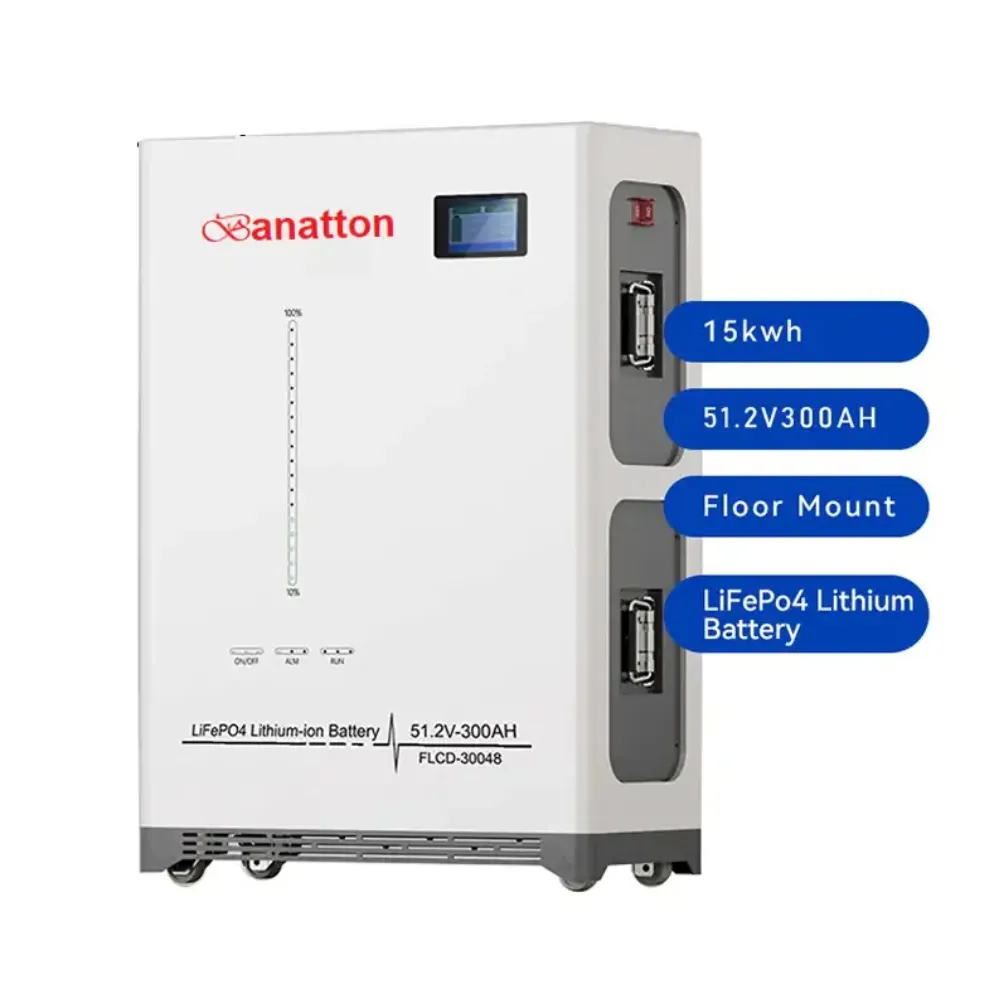
Give every bidder the same starting point
A clear request makes battery storage cost easier to check. Give each supplier the same load records, site details, and goals for how you will use the system. Tell them which costs must be firm and which may change after a site survey.
| Quote field | What to request |
|---|---|
| Duty | Backup, energy shifting, demand control, or an agreed combination |
| Energy | Nominal rating, usable capacity, measurement point, and reserve settings |
| Power | Continuous output, starting capability, and charge limits |
| Site | Location, electrical supply, space, access, and environment |
| Equipment | Exact models, approved combinations, controls, and protective equipment |
| Installed cost | Itemized equipment, site work, labor, freight, taxes, and exclusions |
| Service | Written warranty, maintenance, software fees, and replacement scope |
| Economics | Tariff, dispatch, charging cost, losses, and payback assumptions |
Make sure usable capacity and installed cost describe the same set of parts. Ask who will design, seek approval, test, and hand over the system. A job left unassigned can add cost later, even when each part has a price.
Test the quote when the scope changes
A good battery storage cost worksheet should show what changes when you add a feature. Ask for a base case and a backup case with the same usable capacity. If the backup case costs more, the added switches, controls, and labor should explain the gap. Ask which loads each case can run when the grid is down.
Keep both the full installed cost and any net price after incentives. Then ask for the date on which each price expires. This lets you see whether a lower battery storage cost comes from less work, a different product, or support that may no longer be available. A discount is useful only if the quoted scope still meets the need.
Read an overview alongside the numbers
Before choosing a supplier, reconcile the battery storage cost worksheet line by line. Keep undecided items visible instead of assuming they are included. Ask for revised totals when the equipment or scope changes.
Battery storage cost questions
How much is a home battery storage system?
EnergySage’s July 2026 guide reports $15,647 before incentives for 13.5 kWh, approximately $1,159/kWh by division. That is a US marketplace reference. Your installed cost depends on equipment, site work, power, and backup requirements. Request an itemized local proposal before budgeting around it.
How much does a 1,000 kWh battery cost?
The kWh figure alone can’t tell you the price of a 1,000 kWh project. First define power, usable capacity, parts, and site work. A 250 kW/1,000 kWh system has a four-hour rated energy-to-power ratio.
You still need a quote or a suitable cost model to find its price. Don’t choose a REopt class solely from kWh.
Why is a module price lower than an installed price?
The installed cost covers parts and work beyond the modules, based on the agreed scope. Add the power converter, switches, wires, labor, and final tests to see the full cost. Compare battery storage cost only after matching those inclusions. Also confirm whether each price uses nominal energy or usable capacity.
Can I use battery storage without solar panels?
Yes, a system built and approved to charge from the grid can work without solar panels. Its parts and the local grid rules must allow that use. Its payback depends on rates, losses, service costs, and the value of backup. Owning a battery alone does not mean your loads can run when the grid is down.
Is a low battery storage cost always better?
No. A lower price helps only if the system meets the need. Weigh proven bill savings and backup value against its full cost. Calculate payback from net benefits, then test a worse case.
Compare that result with the warranty terms and the time you expect to use the system. A low battery storage cost does not guarantee a financial return.
Choose a complete scope before choosing a price
Start with the job the system must do. Define the loads, operating hours, reserve, and charging opportunity before choosing a battery size. Then request usable capacity and power figures that describe the same conditions across all proposals.
Keep battery storage cost evidence in its proper setting. Home price data helps frame a home budget. A business cost model helps explain what drives the total. Neither replaces the installed cost of the exact equipment and work at your site.
Check the economics with the same care. Include charging energy, losses, service, and the revenue you give up by storing solar output. Use a downside case, and treat simple payback as an early screen rather than a complete lifetime valuation.
To compare battery storage cost for your project, request an itemized Banatton quote. Send the site location, load profile, required usable capacity, power, backup duration, and existing equipment details. Ask for included work, exclusions, and written product terms so the next decision rests on a complete scope.