 26Sep

A storage battery is a rechargeable device that stores energy through chemical reactions and supplies electrical energy when needed. Choose one by its duty, supported load, required duration, and approved system connections. A larger amp-hour label alone cannot tell you whether it will run your equipment.
That makes some quotes hard to compare. A battery for an uninterruptible power supply (UPS) may spend most of its life waiting for an outage. A solar battery may charge and discharge every day. These storage batteries serve different duties, so they need different checks.
This guide explains the main stationary battery types, separates power from stored energy, and shows how to prepare a useful specification. You will find a worked load schedule and questions to ask about charging, safety, service, and cost. The aim is a documented shortlist that fits your site. Final sizing and installation still need the exact equipment data and a qualified system designer.
Key Takeaways
– UPS standby duty and daily solar cycling require different battery selection checks.
– AGM and gel are lead-acid constructions; LiFePO4 is a lithium-ion chemistry.
– kW describes power, while kWh describes energy. Ah needs voltage and test conditions to be useful.
– Match the battery, charger, inverter, and controls as an approved combination.
– Compare usable capacity, safety documents, and complete installed costs under the same assumptions.
Choose a storage battery for its duty
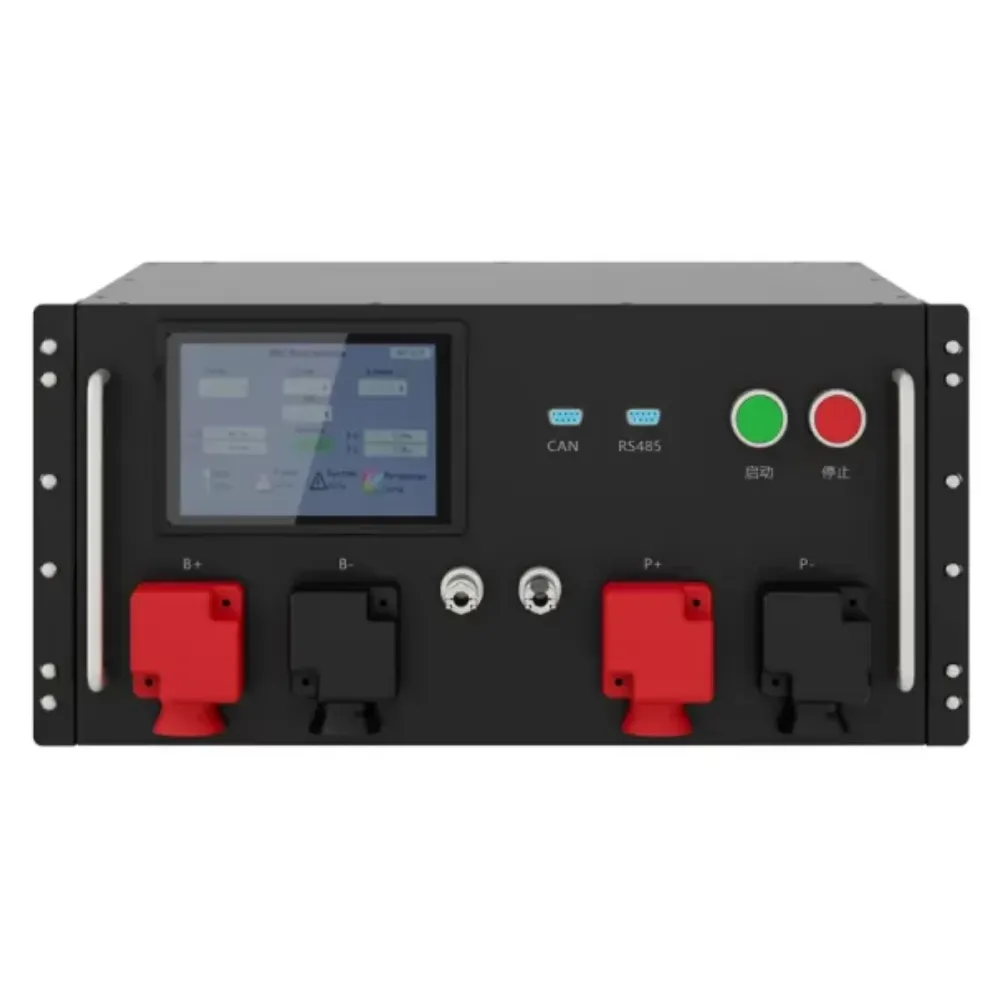
Define the battery and the complete system
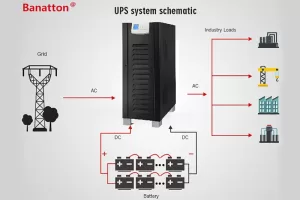
The battery stores energy. A battery energy storage system adds equipment that manages how that energy reaches the load. Depending on the design, this includes an inverter, charging equipment, controls, protective devices, and an enclosure.
An inverter converts the battery’s DC output to AC for suitable loads. The wider system must also provide the operating features you need. Owning a battery does not establish that a building can run during a grid outage. That needs a backup-capable design, suitable switching, and defined protected circuits.
The US Department of Energy’s storage basics explains how storage shifts energy to a later time. It also distinguishes stored energy from power output and notes that conversion and retrieval involve losses.
For an overview of the available options, explore Banatton Group’s storage battery range. The catalog includes lead-acid and lithium offerings, plus home and commercial storage systems. Confirm the exact model against your project requirements.
Separate standby from frequent cycling
Start with a plain description of the job. Will the battery support a controlled shutdown, bridge generator startup, supply evening loads, or cycle during frequent outages? Record how often it must discharge and how soon it must recover.
| Duty | Main question | Evidence to request |
|---|---|---|
| UPS standby | Can it supply the required load for the outage window? | Approved battery configuration and discharge data at the required duration |
| Daily solar cycling | Can it support the planned energy use and recharge pattern? | Usable energy, cycle-test conditions, charging limits, and inverter approval |
| Combined cycling and backup | What reserve remains when an outage begins? | Operating strategy, reserve settings, and a recovery plan |
A daily schedule can conflict with emergency reserve. Energy used to reduce evening grid purchases will not remain available for an unexpected outage. Decide which purpose takes priority and ask the designer to account for it.
Compare storage battery types correctly
Flooded lead-acid, AGM, and gel
Lead-acid is a chemistry family. Flooded, absorbed glass mat (AGM), and gel describe different constructions within that family. AGM and gel are forms of valve-regulated lead-acid (VRLA) battery. They are not separate chemistry families alongside lead-acid.
In an AGM battery, a glass-fiber mat holds the electrolyte. A gel battery uses a gelled electrolyte. Flooded batteries contain liquid electrolyte and may need electrolyte checks or service under their manuals. These differences affect charging, installation, and maintenance requirements.
A sealed or valve-regulated design still needs inspection. It does not remove the need to check condition, temperature, connections, and charger operation through an appropriate service plan. Do not open VRLA batteries or apply flooded-battery servicing instructions to them.
| Type | Construction or chemistry | Selection focus |
|---|---|---|
| Flooded lead-acid | Lead-acid with liquid electrolyte | Approved duty, service access, ventilation design, and maintenance requirements |
| AGM | VRLA lead-acid with electrolyte held in a glass mat | Exact discharge rating, charging profile, and approved standby or cyclic use |
| Gel | VRLA lead-acid with gelled electrolyte | Charging limits, duty rating, and equipment compatibility |
| LiFePO4 / LFP | Lithium iron phosphate, a lithium-ion chemistry | Battery management, power limits, charging controls, and system approval |
Lithium-ion and LiFePO4
Lithium-ion includes several chemistries. Lithium iron phosphate, also called LiFePO4 or LFP, is one of them. A specification that says only “lithium” leaves important questions unanswered about the cells, pack, controls, and intended use.
A battery management system (BMS) monitors and manages pack conditions within its design. It may communicate operating limits or alarms to an inverter or UPS. Ask which functions the proposed system provides and how it handles faults or lost communication.
Enphase’s solar battery chemistry guide provides another overview of the technology families. Its residential focus is useful context. For a purchase, use the proposed model’s data rather than general chemistry rankings or lifespan ranges.
The best choice depends on duty, compatibility, space, service needs, and cost. A chemistry name cannot settle those decisions by itself.
Size energy and power as separate requirements
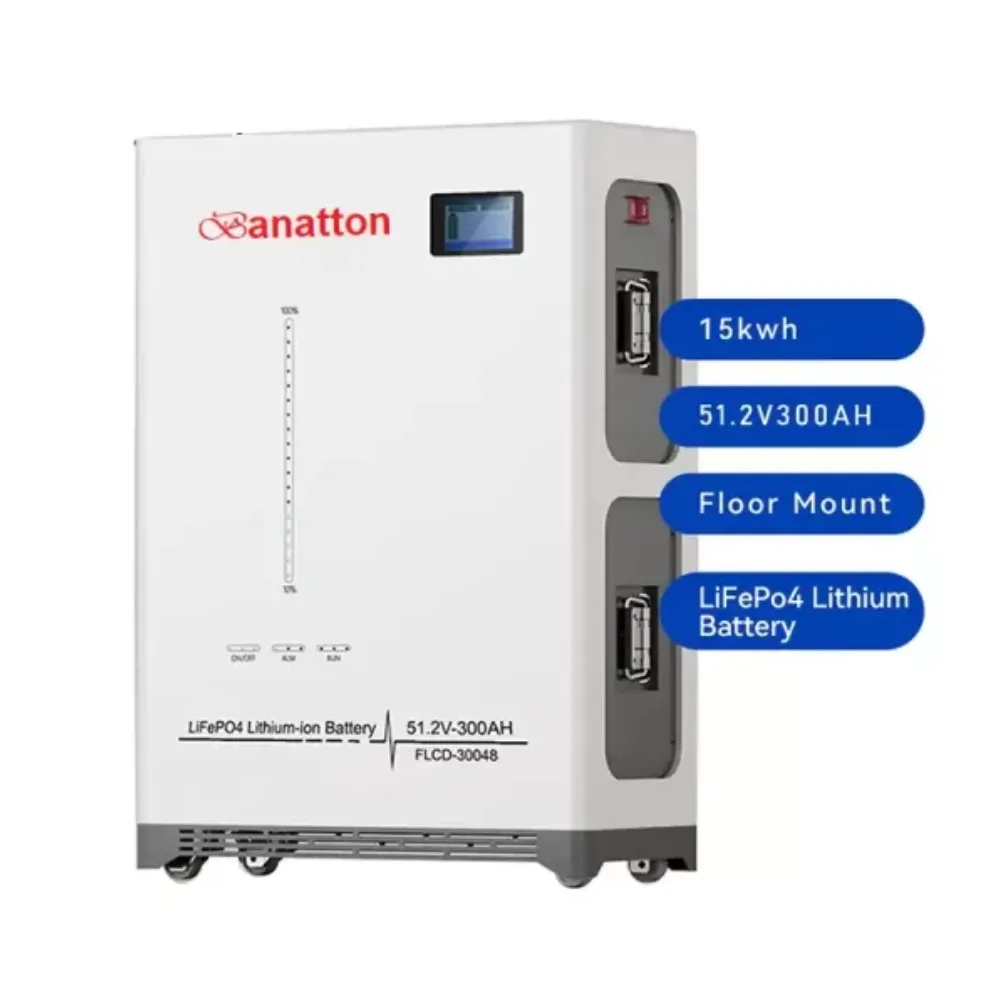
Understand kW, kWh, and Ah
Power is the rate at which equipment uses energy. A load drawing 1 kilowatt (kW) for 1 hour uses 1 kilowatt-hour (kWh). Your system must meet both the power demand and the energy requirement over the selected period.
Amp-hours (Ah) describe electrical charge. For an early nominal-energy check:
Nominal energy in kWh = nominal voltage × Ah ÷ 1,000.
For example, a hypothetical 51.2 V, 100 Ah battery has 5.12 kWh of nominal energy. That arithmetic does not establish its usable output, discharge power, or delivered AC energy. The label must be read with its rating conditions and operating limits.
This is also why two 100 Ah batteries at different voltages do not have the same nominal energy. Even at the same voltage, different discharge-test conditions can make a direct Ah comparison misleading.
Build a load schedule
The following is a hypothetical planning example, not a tested Banatton configuration. Kai, a fictional facility buyer, lists the equipment they want to support. They record average running power and the time each load must operate.
| Illustrative AC load | Running power | Required time | Energy at the load |
|---|---|---|---|
| Communications equipment | 0.30 kW | 4 hours | 1.20 kWh |
| Lighting | 0.10 kW | 4 hours | 0.40 kWh |
| Controls | 0.20 kW | 2 hours | 0.40 kWh |
| Total energy requirement | 2.00 kWh |
If all three loads operate together, their listed running power totals 0.60 kW. This figure excludes startup peaks and any loads omitted from the list. The battery, inverter, and protection must accommodate the actual operating pattern and surge requirements.
Kai now has two useful requirements: 2.00 kWh delivered to the listed loads over the schedule, and 0.60 kW of simultaneous running demand. Their next step is to ask a supplier to account for losses, reserve, equipment limits, and battery condition. They have not yet selected a battery or established actual runtime.
Separate nominal from usable capacity
Nominal energy is the rated battery quantity. Usable capacity is the energy you can draw within stated limits. Ask where the supplier measures it: at the battery’s DC terminals or the system’s AC output.
Battery depth of discharge tells you how much of the stated capacity has been drawn. The allowed range depends on the model and its use. Don’t assume one discharge percentage works for every AGM, gel, or lithium battery.
Reserve settings, power-conversion losses, heat or cold, aging, and the system’s own power use affect the energy you receive. If a usable figure already allows for a limit or loss, don’t deduct it again. Write down what each figure includes.
Round-trip efficiency compares the energy returned with the energy used to charge the system, across a stated boundary. It isn’t the same as the inverter’s discharge efficiency alone. Check that boundary before using either figure in a calculation.
A basic battery capacity calculation is a useful early check, but short-duration UPS performance needs more detail. Use the exact discharge data, end voltage, load, and approved configuration. For the next step, follow the UPS runtime and discharge-curve guide.
Check charging, service life and compatibility
Match the charger, inverter, and BMS
The charger must suit the battery’s chemistry and model limits. Check the allowed voltage, charge and discharge currents, temperature limits, and recharge time. Ask what happens after a long outage when the system must run the load and recharge.
If the battery exchanges data with the UPS or inverter, check the approved models and firmware. Confirm the communication protocol: the rules the devices use to share data. Ask what the system does if that link fails. A cable that fits and a matching nominal voltage don’t prove the equipment can work safely together.
Expansion also needs approval. Adding a module can change how the system shares current and handles faults. Ask for the maker’s rules on module count, age, and condition. Check the required setup tests before planning to add more batteries later.
Illustrative replacement decision: Jordan, a fictional maintenance planner, needs new batteries for an existing UPS. A lithium pack looks promising, but the UPS manual doesn’t approve that pairing. They request an approved replacement list and a documented retrofit option. They keep both routes open until they have proof of a suitable match, with no assumed cost or life gain.
If this is your situation, compare the routes in the lithium-ion versus lead-acid UPS battery guide. An approved battery replacement and a system redesign have different scopes.
Read the conditions behind life claims
Battery cycle life counts cycles under stated test conditions. Calendar aging happens with time, including during standby or storage. A high cycle count alone cannot predict service life at your site.
Request the test temperature, discharge depth, charge and discharge rates, and end-of-life definition. Then compare those conditions with your expected duty. A life figure without its conditions gives you little basis for comparing proposals.
Read warranty terms separately. Check years, permitted throughput or cycles, retained-capacity terms, exclusions, and who pays for removal and replacement. A design-life statement is not automatically a warranty commitment.
Plan routine checks and record alarms, operating temperatures, recharge behavior, and service findings. Follow the exact manuals for inspection intervals and storage charging. Use qualified personnel for electrical testing and connection work; this guide provides no universal charging voltage, terminal torque, or service interval.
Check safety evidence at system level
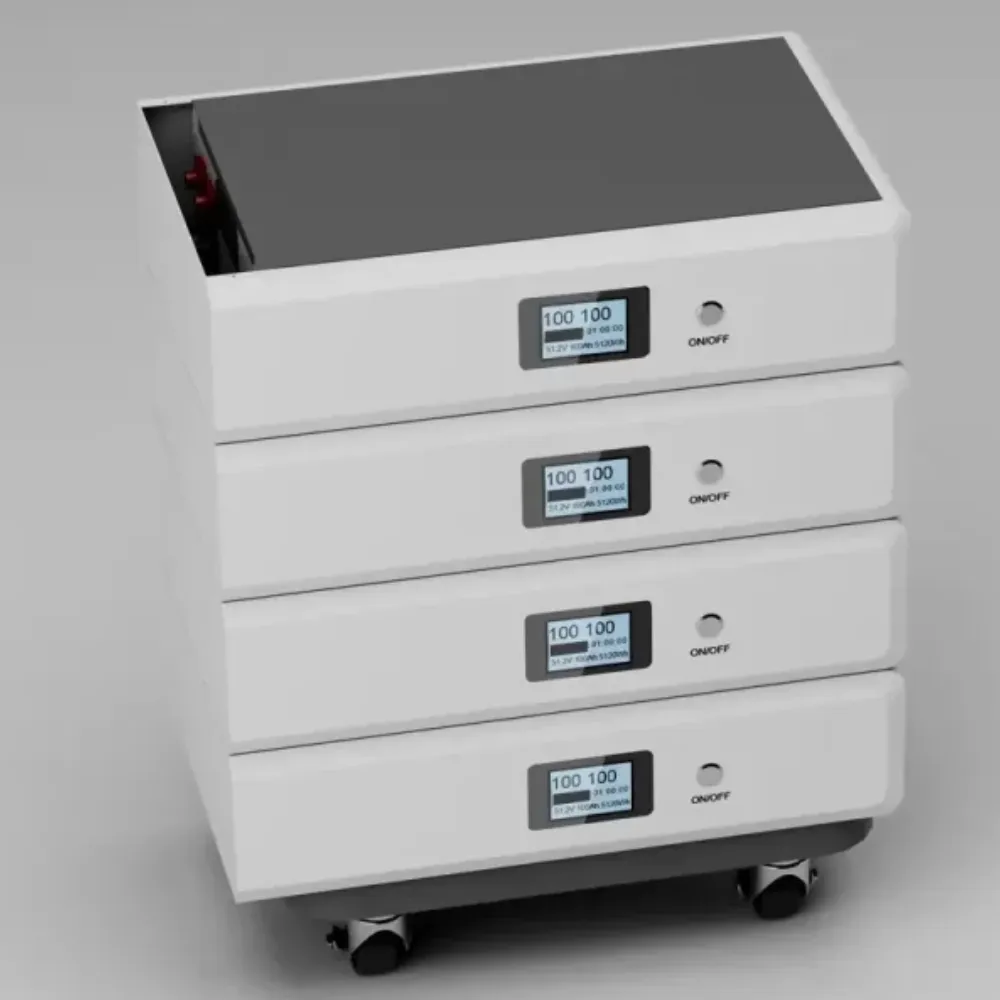
Safety evidence should match the equipment you intend to buy and the place you intend to install it. Request documents that identify the model, manufacturer, applicable standard, and scope. Check whether the evidence covers a cell, battery pack, integrated system, or particular installation.
UL Solutions explains energy storage testing and certification, including the roles of different standards. Three distinctions help when reviewing a proposal:
- UL 1973 addresses batteries for specified stationary and related applications.
- UL 9540 addresses energy storage systems and equipment, including charging, protection, controls, and communication.
- UL 9540A is a test method for evaluating thermal-runaway fire propagation in battery energy storage systems.
These references do not mean that every project needs the same documents or that Banatton products hold a particular certification. The required evidence depends on the equipment, market, and installation. A component certificate or fire-test report does not automatically approve an assembled system or site.
Ask the installer or designer to confirm siting, ventilation where required, access, isolation, protection, and local approval requirements. The installed configuration must follow the model instructions and applicable local rules. Marketing phrases such as “maintenance-free” or “safe chemistry” cannot answer these questions.
A BMS does not eliminate fire or electrical hazards. Avoid using absolute safety claims to compare chemistries. If equipment is damaged, overheating, leaking, or showing abnormal conditions, follow the site’s emergency procedure and obtain qualified assistance. Do not attempt battery repair or live electrical work based on a general buying guide.
Build a comparable specification and quote
Prepare a supplier worksheet
Give each supplier the same project inputs. This makes differences in scope easier to find and reduces the chance of comparing a bare battery price with a complete system price.
| Specification field | What to record or request |
|---|---|
| Duty | Standby, daily cycling, or combined use; expected discharge pattern |
| Load | Running kW, simultaneous loads, startup peaks, and load changes |
| Duration and reserve | Required operating time and capacity reserved for outages |
| Existing equipment | UPS, inverter, charger, and control models; relevant firmware |
| Electrical ratings | Required voltage range and charge/discharge power or current limits |
| Capacity boundary | Nominal and usable kWh; DC or AC measurement point; included allowances |
| Recharge | Available source power and required recovery window |
| Site | Location, temperature range, enclosure, access, and installation constraints |
| Integration | Approved combinations, communication behavior, and expansion rules |
| Evidence | Datasheets, manuals, discharge data, and model-specific safety documents |
| Service | Warranty terms, inspection needs, replacement process, and local support |
| Quote scope | Equipment, installation, protection, commissioning, service, and disposal |
State any assumptions you cannot yet confirm. A measured load profile is more useful than a guessed equipment total. If a project has changing loads, specify when they run rather than giving one average number for every hour.
Ask suppliers to identify exclusions and explain how they will verify performance at handover. The acceptance plan should state the operating conditions and the checks used to confirm the agreed function. It should also define the records and instructions provided to the operator.
Compare the complete cost
Include the battery, inverter or charger changes, installation, protection, commissioning, planned service, and replacement work. Compare proposals over the same period and with the same load and reserve assumptions. Allow for disposal or recycling arrangements where relevant.
Avoid choosing from purchase price per nominal kWh alone. A lower headline price may cover a different usable capacity, power rating, warranty scope, or installation boundary. Ask for those differences in writing before estimating ownership cost.
For larger business projects, use the commercial energy storage system selection guide to evaluate the wider system. Site tariffs, operating schedules, and grid rules need their own assessment before anyone can estimate savings.
Storage battery questions
What is a storage battery?
It is a rechargeable battery that stores energy chemically and delivers electrical energy later. Stationary uses include UPS standby and solar energy storage. Its suitability depends on the duty and system around it, as well as the battery itself.
Is AGM the same as gel?
No. Both are VRLA lead-acid constructions, but they hold the electrolyte differently. Compare their specific charging instructions, discharge ratings, and approved applications. Similar enclosure dimensions do not establish that they are interchangeable.
Can I replace lead-acid with lithium?
Only when the equipment manufacturer approves the combination or a properly designed retrofit establishes compatibility. Check charging, protection, controls, communication, and installation requirements. Matching voltage is one check among several.
How long will a storage battery power my equipment?
Runtime depends on the supported load, usable energy, discharge behavior, and system limits. An energy estimate helps define the requirement. Final selection, especially for high-rate UPS duty, needs the actual battery and equipment data.
Can battery storage work without solar?
Yes, a system designed for grid charging can store energy without solar panels. Check the proposed equipment’s charging options, grid requirements, and backup capability. Solar generation is one possible charging source, not a definition of battery storage.
Do stored batteries lose capacity?
They can lose charge during storage and age over time. Storage temperature, state of charge, and recharge requirements depend on the model. Follow its storage instructions and confirm condition before putting long-stored equipment into service.
Choose a storage battery by matching the duty, power, usable energy, and system requirements in one specification. Keep the supporting documents with the quote so you can compare proposals on the same basis. To discuss a Banatton option, send your load and system details, including the required duration, existing equipment models, installation location, and recharge needs.