 26Sep

Battery safety standards depend on the battery’s chemistry, intended use, equipment configuration, and destination market. For industrial lithium batteries, start by checking IEC 62619 or UL 1973 applicability; for a complete stationary energy storage system, investigate the relevant system and installation requirements too.
A certificate for the wrong product can leave an order with a gap that its price comparison never shows. Buyers need evidence that links the offered battery to its charger, enclosure, and controls. The planned location matters too.
A familiar standard number on a brochure doesn’t establish that connection. Check the model before you approve the order.
You shouldn’t need to become a test engineer to ask useful questions. This guide maps battery safety standards to common purchasing decisions, explains the difference between battery and system evidence, and provides a document checklist. It focuses on uninterruptible power supply (UPS) batteries and fixed storage. Portable batteries are included to explain the scope.
Key Takeaways
- IEC 62619 covers industrial lithium cells and batteries, with UPS and emergency power among its listed stationary uses; IEC 62133-2 addresses portable lithium batteries instead.
- UL 1973 evaluates batteries, UL 9540 evaluates a complete energy storage system, and UL 9540A is a thermal runaway fire test method, so each document supports a different claim.
- UN 38.3 supports transport testing, not approval of a battery cabinet, UPS, or completed installation.
- A useful evidence pack names the exact model, revision, rating, standard edition, and tested configuration; ask for the documents before comparing price.
How to choose battery safety standards

Choose battery safety standards by answering four questions before you ask for a quote.
Start with the battery type and duty in our storage battery guide, then carry the exact model and system layout into every standards request. That sequence helps a supplier answer the question you actually asked.
What is the chemistry? Battery safety standards vary with chemistry. Lead-acid, nickel-cadmium, nickel-metal-hydride, and lithium batteries carry different hazards. IEC 62485-2, for example, addresses stationary installations using lead-acid, NiCd, or NiMH batteries up to 1,500 V DC nominal. A lithium product standard won’t describe the same electrolyte or gas hazards.
What is the application? A sealed battery inside a handheld device, a battery rack in a UPS room, and a complete energy storage cabinet are different products. Choose battery safety standards by scope. A logo alone cannot show product fit.
Which market and site will receive it? Product standards, transport rules, electrical installation codes, and fire requirements can come from different authorities. The rules adopted at the site decide which edition applies. The authority having jurisdiction (AHJ) is the body with local approval powers. It may ask for more evidence.
Where does the purchased item stop? If the supplier provides a battery module, the evidence may stop at the module. If the supplier provides a cabinet with a battery management system (BMS), power conversion, and HVAC, the system boundary is larger. Write that boundary into the purchase specification.
A UPS quote shows why the scope of battery safety standards matters. A buyer may compare two lithium battery options on capacity and cycle claims. One quote covers a module. The other covers a full rack. The standard numbers differ because the products differ. Treating one report as a substitute for the other creates a false equivalence.
Battery safety standards by application
Use this table to match battery safety standards to your project. It isn’t a universal list of mandatory approvals. Battery safety standards must match the application, and the project’s compliance team should confirm the route.
| Document | Main scope | Buyer check |
|---|---|---|
| IEC 62619 | Industrial secondary lithium cells and batteries | Match the battery model and industrial use. |
| IEC 62133-2 | Portable sealed secondary lithium cells and batteries | Do not assume portable-battery evidence covers a stationary rack. |
| IEC 62485-2 | Stationary lead-acid, NiCd, and NiMH installations | Review electrical, gas, and electrolyte hazards. |
| UL 1973 | Batteries for stationary and specified auxiliary applications | Check the listed model and conditions of use. |
| UL 9540 | Complete energy storage systems and equipment | Identify the evaluated battery, converter, controls, and enclosure. |
| UL 9540A | Thermal runaway fire propagation test method | Match the tested arrangement and report to the proposed installation. |
| UN 38.3 | Transport testing for applicable battery designs | Obtain the relevant test summary and check shipping requirements separately. |
| UL 1778 | UPS equipment safety | Confirm the UPS equipment route and supported battery arrangement. |
Industrial lithium versus portable lithium
IEC 62619:2022 describes safety requirements and tests for industrial lithium cells and batteries. Its listed stationary uses include telecom, UPS, and energy storage. Utility switching and emergency power are also listed. That makes IEC 62619 a useful starting point for industrial lithium buying.
By contrast, IEC 62133-2 addresses portable sealed rechargeable lithium cells and batteries. These battery safety standards serve different uses. A portable pack report cannot replace proof for an industrial battery. The use of lithium cells in both doesn’t change their scope.
IEC 62619 is also not a complete site approval. Ask which product level the report covers and whether the supplied assembly matches it. A standard for a specific use may take priority. Ask the project team to check this.
Lead-acid installations need their own review
IEC 62485-2 covers stationary lead-acid, NiCd, and NiMH battery installations. It addresses electrical hazards, gas release, and electrolyte. Its scope runs from installation and use through checks, upkeep, and disposal. Its public scope includes installations up to 1,500 V DC nominal.
For lead-acid UPS projects, discuss ventilation, access, protection, and maintenance with the designer. The word sealed doesn’t remove installation duties. Applying battery safety standards means checking the actual chemistry and the manufacturer’s instructions, rather than copying lithium requirements into every specification.
Transport evidence is a separate layer
UL Solutions lists UN 38.3 among its battery testing services. Transport testing addresses a different stage from operation inside a cabinet. A shipment also needs suitable packaging, labels, documents, and handling under the rules for its route.
Treat the transport test summary as one item in the evidence pack. It does not replace IEC 62619, UL 1973, or the relevant system evaluation. Battery safety standards and shipping requirements work together; one document doesn’t settle both questions.
Why a battery report does not approve the system
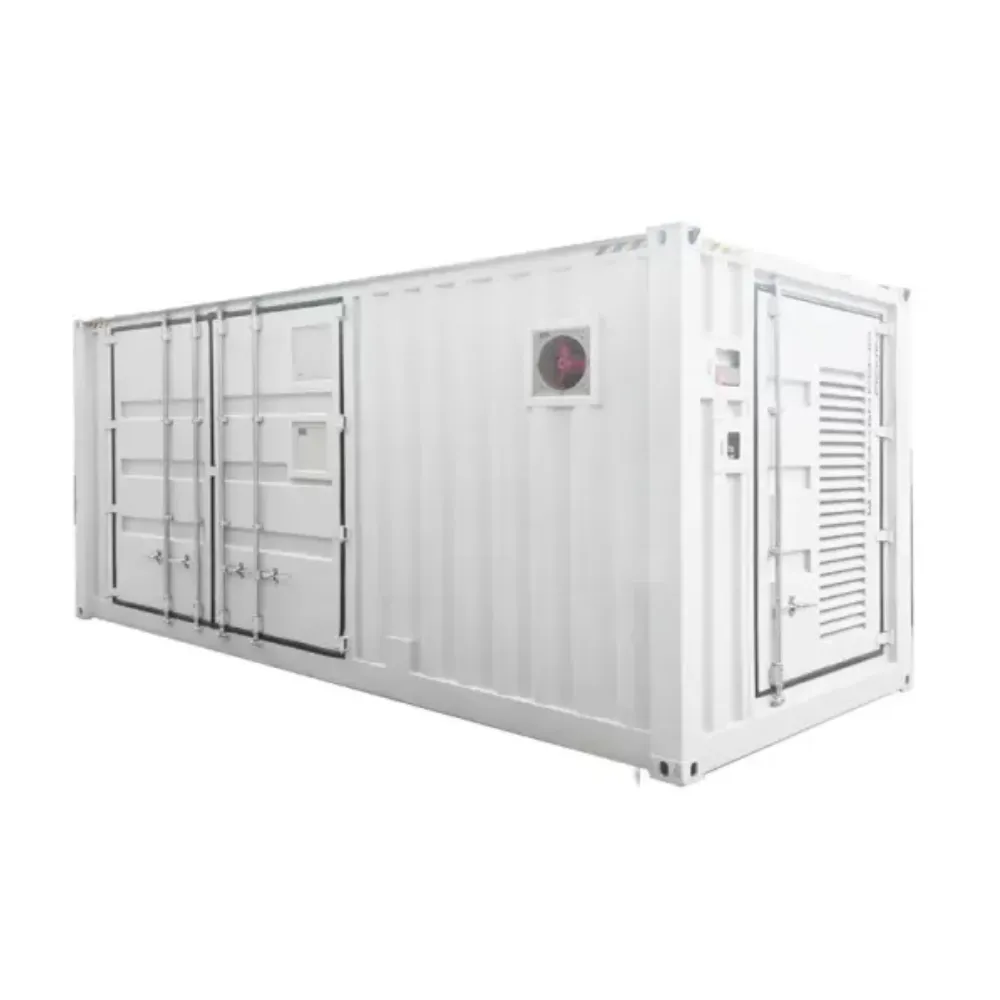
When buying stationary storage, separate UL 1973, UL 9540, and UL 9540A. Each addresses a different boundary. Start by naming which boundary the quotation actually includes.
Battery, system, and fire-test evidence
UL 1973 concerns batteries for stationary and specified auxiliary applications. A battery tested to UL 1973 can be part of a wider system review. It doesn’t approve every inverter, cooling unit, or enclosure connected to that battery.
UL Solutions explains UL 9540 as a complete energy storage system evaluation. It includes charging, discharging, protection, controls, communications, enclosures, and other system features. The review references supporting standards, including UL 1973. Approved parts alone do not prove that the assembled product meets UL 9540.
A UPS also has its own equipment context. The same UL overview identifies UL 1778 for UPS safety. Do not assume that all UPS projects follow the same UL 9540 route as a storage plant.
Ask the certification body and site authority to confirm the product class and scope. They also need to check the battery setup.
UL 9540A is a thermal runaway fire propagation test method. Thermal runaway is uncontrolled self-heating that can release heat and hazardous gases. Tests can examine cells, modules, units, or the installed layout. The method and edition define what gets tested.
A UL 9540A report therefore answers different questions from a UL 9540 system listing. It can inform fire-risk and installation decisions, but it isn’t a blanket guarantee against fire. When applying battery safety standards, check the tested layout and the code edition adopted for the site.
An illustrative cabinet mismatch
Alex, a fictional facilities buyer, requests three storage cabinets for a commercial building. The supplier sends a UL 1973 document naming a battery module, while the quotation includes a converter and a different enclosure. Alex asks for the complete system model and UL 9540 evidence applicable to that assembly. The document review exposes the mismatch before the order is released, so the project team holds its compliance decision until the setup is clarified.
The useful result is a clear purchasing decision, not a claimed safety improvement. Battery safety standards help only when the evidence follows the product that will arrive. Record changes in module quantity, enclosure, controls, and installation layout for the responsible assessor to review.
Check supplier evidence before you order
A useful document pack links the quote to the equipment that arrives. Request it before signing off on battery safety standards, then check it again when the final setup changes.
Match documents to the model
Ask for the following evidence and identifiers:
- Manufacturer and model: Match the legal manufacturer, battery designation, revision, chemistry, voltage, and capacity to the offered equipment.
- Standard and edition: Identify the exact document, edition, and amendments. An IEC 62619 report and a UL 1973 certificate are different records, even when they cover the same battery family.
- Issuer and reference: Record the laboratory or certification body, report or certificate number, date, and available verification route. Check certificate status where applicable.
- Scope and conditions: Read the model annex, ratings, exclusions, and conditions of use. Confirm whether evidence covers a cell, module, rack, or complete system.
- System setup: Where UL 9540 applies, identify the evaluated battery and converter combination. Do not infer system coverage from UL 1973 alone.
- Installation information: Obtain manuals, environmental limits, protective-device requirements, and layout instructions. Ask which fire-test findings apply to the proposed arrangement.
- Transport information: Request the relevant UN 38.3 summary and arrange a separate shipping review for the actual route and shipment condition.
For battery safety standards, a report date alone doesn’t show whether the offered design is covered. Compare the identifiers and ask how revisions are controlled. If an issuer’s online record is unclear, ask the issuer to explain the gap. A cropped screenshot isn’t enough.
Battery safety standards also do not prove runtime or service life. Obtain the applicable discharge data, charging limits, and operating conditions separately. A safety evidence pack and a performance specification should agree on the product without making the same claim.
Prepare your model and application details first. Use this checklist when comparing Banatton Group’s storage battery categories, and ask which documents apply to the specific setup under discussion. A category page is a selection starting point, not certification evidence for every model.
Check UPS compatibility and maintenance
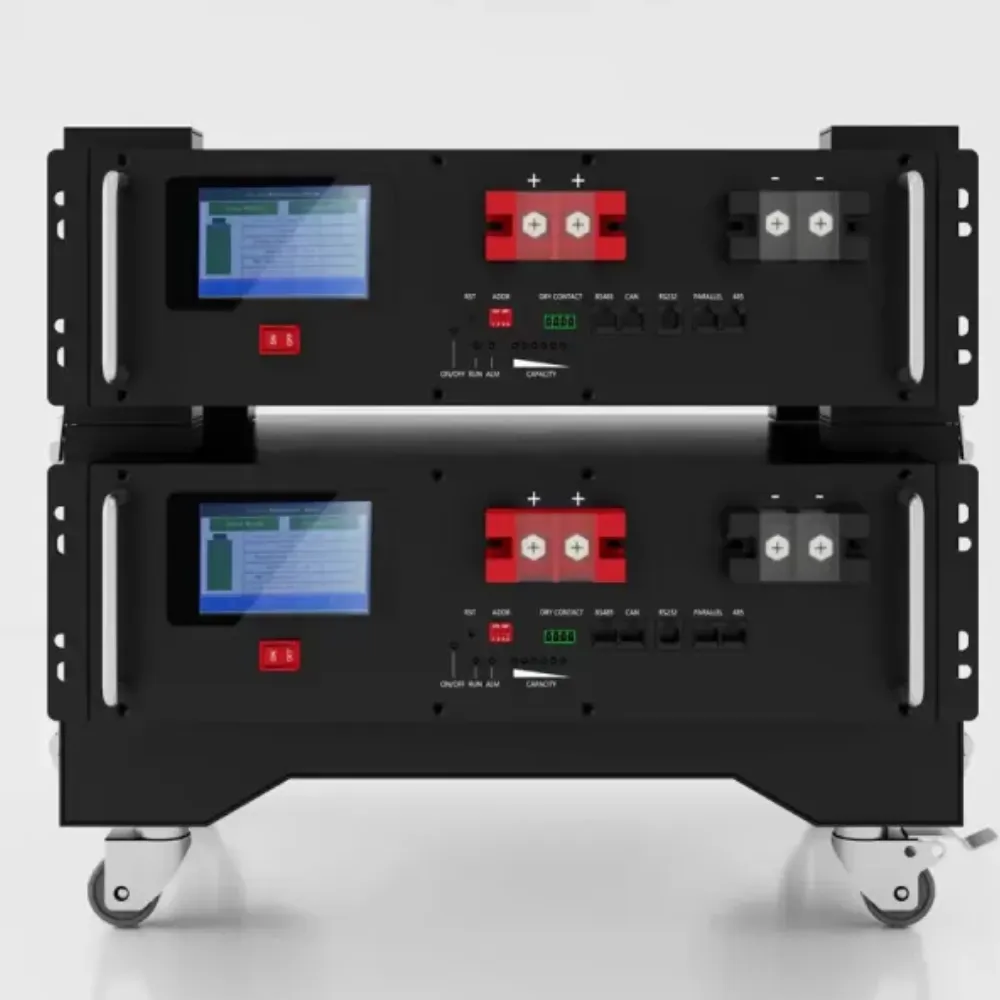
Jordan, a fictional maintenance lead, considers replacing two lead-acid battery strings with lithium units in an existing UPS. The proposed battery has an IEC 62619 report, but the quotation doesn’t identify the UPS charger or control interface. Jordan requests written compatibility details and reviews the protective shutdown behavior with the UPS supplier. The replacement remains on hold until charging, controls, and the supported setup are confirmed, rather than proceeding on nominal voltage alone.
That example shows a limit of battery safety standards. IEC 62619 addresses the industrial battery, while the connected equipment still needs a supported arrangement. A UL 1973 evaluation likewise doesn’t authorize every retrofit. Neither label removes the need to check system interactions.
Use our explanation of battery management system compatibility to prepare questions about communications, current limits, and protective action. The charger must respect the battery’s limits, including what happens when communications fail. Ask the supplier to explain the sequence in the exact system.
Once installed, keep manuals and evidence with the maintenance records. Our stationary battery maintenance guide explains inspection and test planning. Battery safety standards support the original review; ongoing checks help teams identify changes, damage, and faults that need qualified attention.
Common battery certification questions
Is UN 38.3 enough for stationary storage?
UN 38.3 alone is not enough. It concerns transport testing. A fixed battery system also needs product and site checks. Depending on the application, IEC 62619 or UL 1973 may address the battery, and UL 9540 may apply to the complete storage system. Ask for the right evidence at each level.
Battery safety standards cannot be replaced by a shipping document.
Are IEC 62619 and IEC 62133-2 interchangeable?
No. IEC 62619 addresses industrial lithium cells and batteries; IEC 62133-2 addresses portable sealed rechargeable lithium cells and batteries. Match the intended use to the scope, then confirm the required regional route. Similar chemistry or overlapping test themes do not make the documents interchangeable.
Does UL 1973 cover an entire energy storage system?
UL 1973 covers batteries within its scope. UL 9540 addresses the complete energy storage system, including interactions with other equipment. Ask whether the quoted product is a battery, a cabinet assembly, or a complete system before accepting its document pack. Battery safety standards describe boundaries that the purchase order should preserve.
Is UL 9540A the same as UL 9540?
UL 9540A is a thermal runaway fire propagation test method. UL 9540 is the system safety standard. Get the fire-test report and system certificate as separate records. Ask the project specialists to check their scope and fit. A report for one arrangement is not permission to use any layout.
Which requirements matter for lead-acid UPS batteries?
Check the battery product, UPS equipment, installation, and maintenance requirements applicable to the site. IEC 62485-2 is relevant to stationary lead-acid installation hazards within its scope. IEC 62619 is an industrial lithium standard and does not replace that review. Local codes and equipment instructions determine the practical requirements for the project.
Build the evidence into your specification
Start with chemistry, duty, destination, and the exact equipment you intend to buy. Then list battery safety standards against the product level they address. For industrial lithium batteries, IEC 62619 and UL 1973 may be relevant starting points. For a complete stationary storage system, assess the applicable system route, including UL 9540 where required, alongside site rules.
Keep transport testing, fire-test evidence, and installation review visible as separate decisions. A familiar number isn’t enough: model identifiers, ratings, revisions, and conditions of use must connect the documents to the delivered equipment. Ask the responsible specialist to resolve gaps before the purchase is approved.
Finally, retain that evidence pack with the commissioning and maintenance records. Keep a record of reviews when batteries, controls, or enclosures change. Request a battery project quote with your intended application, destination, proposed setup, and document requirements. That gives Banatton a concrete basis for discussing available options and the evidence needed for your battery safety standards specification.