 07Jan
07Jan

For many commercial and industrial facilities, electricity demand changes throughout the day. Production schedules, business hours, and equipment loads can all affect when and how much power a site consumes. This makes energy storage useful not only for storing electricity, but also for managing when that electricity is used.
A commercial Energy Storage System can support peak shaving and valley filling, while stored energy can also be used as backup power. However, the right system depends on more than battery capacity. Battery type, power conversion, energy management, system expansion, and the site’s electrical infrastructure all need to be considered together.
What Is a Commercial Energy Storage System?
A commercial energy storage system stores electrical energy and supplies it when needed. In standalone applications, it can help businesses shift electricity use between different periods and provide backup power when required.
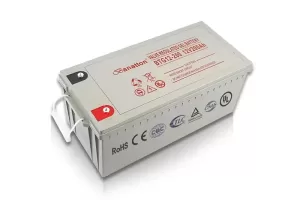
The basic architecture of an industrial and commercial energy storage system includes three main parts: battery packs, a power conversion system, and an intelligent management system. Each part has a different job, but they need to work together for the system to operate effectively.
How Does a Commercial Energy Storage System Work?
The battery packs store electrical energy on the DC side. When electricity needs to be supplied to the facility or grid, the power conversion system converts the stored DC power into AC power.
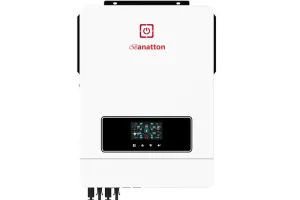
The PCS uses bidirectional inverters, allowing electricity to move between the battery system and the AC grid. It can also provide functions such as voltage regulation and harmonic suppression.
The intelligent management system handles data collection and status monitoring. It can analyze load curves and electricity price fluctuations to determine suitable charging and discharging strategies. Communication between the different modules allows the system to coordinate these functions.
What Factors Should You Consider When Choosing an Energy Storage System?
Once the basic structure is understood, the next step is to look at how the system will be used. A factory with changing production loads may have different requirements from a commercial building that mainly needs backup power.
Energy Capacity and Power Requirements
The required capacity should be based on the site’s actual electricity demand and the purpose of the storage system.
For peak shaving and valley filling, the load profile and operating schedule are particularly important. If backup power is also required, the power demand of the relevant loads needs to be considered as well.
Looking at capacity alone can therefore give an incomplete picture. Both stored energy and power requirements should match the intended application.
Battery Type and Cycle Life
Battery characteristics affect how a system performs during repeated charging and discharging.
Lithium phosphate and ternary lithium batteries can be used as the energy storage medium. For a Lithium Battery Storage System, cycle life and charge-discharge rate are important factors alongside capacity.
The choice should be related to how frequently the system is expected to charge and discharge rather than based on battery type alone.
Power Conversion and Grid Compatibility
The battery stores energy as DC power, while the facility’s electrical system generally works with AC power. The PCS provides the conversion between these two sides.
Its bidirectional inverter design allows charging and discharging, while functions such as voltage regulation and harmonic suppression support the electrical conversion process. The PCS configuration therefore needs to match the electrical requirements of the project.
System Scalability and Modular Design
Energy requirements can change after a project is installed. A facility may increase production, add equipment, or simply find that its original storage capacity is no longer sufficient.
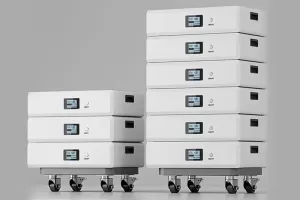
A modular design provides a practical way to deal with these changes. The system can be expanded as required rather than being limited to its initial configuration.
Monitoring, Control and Energy Management
Energy storage needs to be monitored during operation, especially in commercial and industrial applications where load conditions can change throughout the day.
The intelligent management system collects operating data and monitors system status. It can then manage charging and discharging based on load curves and electricity price fluctuations.
Real-time monitoring and remote upgrades also make it easier to manage the system after installation.
Installation Environment and Protection Rating
The location of the equipment should be considered before the system is selected. Indoor and outdoor installations can have different requirements for protection and environmental resistance.
This is particularly relevant when selecting the electrical equipment that connects the energy storage system with the site’s power distribution system.
Maintenance Requirements
Maintenance is another practical consideration for commercial projects. Separating the PCS and battery sections can make maintenance easier because the two parts can be inspected and serviced independently.
Where multiple energy storage units are installed, cluster management can also help coordinate their operation and support energy optimization.
How Does Commercial Energy Storage Improve Business Operations?
The value of commercial energy storage comes largely from controlling when stored electricity is used. Instead of relying on the same power supply pattern throughout the day, a business can use stored energy according to its operating needs.
Peak Shaving and Valley Filling
Electricity demand often changes during the day. Energy storage can charge during lower-demand periods and discharge during higher-demand periods.
This is the basic idea behind peak shaving and valley filling. By managing charging and discharging according to load curves and electricity price fluctuations, businesses can make better use of stored electricity.
Backup Power for Improved Reliability
Energy storage can also be used as backup power in standalone applications.
For factories, commercial buildings, and other facilities where power interruptions can affect normal operations, stored energy provides another source of power when it is needed.
Real-Time Monitoring and Energy Optimization
Monitoring becomes more important as the system grows in size or includes multiple storage units. The intelligent management system can track operating conditions and coordinate charging and discharging.
Cluster management and energy optimization functions can help manage multiple units as part of the same system.
Where Are Commercial Energy Storage Systems Used?
Commercial energy storage can be considered wherever electricity demand varies or backup power is important.
Factories and Industrial Facilities
Factories can use energy storage to manage electricity consumption around production schedules. Peak shaving, valley filling, and backup power are among the main applications.
Shopping Malls and Commercial Buildings
Shopping malls and other commercial buildings can have significant changes in electricity demand during business hours. Energy storage can help shift electricity use according to these changing loads.
Water Treatment and Municipal Facilities
Water treatment and municipal engineering are among the application areas listed for the supporting electrical equipment. These facilities can use low-voltage distribution and control equipment as part of their wider electrical infrastructure.
Other Commercial and Industrial Applications
Environmental protection, electric power, petroleum, chemical industry, food, metallurgy, industrial and mining enterprises, residential areas, and medicine and health.
Banatton Customized Low-Voltage Distribution Cabinet for Commercial Energy Storage Projects
As an Energy Storage System Manufacturer, Banatton Group provides clean energy solutions covering energy storage converters, energy storage battery packs, and power distribution systems. For commercial and industrial energy storage projects, the supporting power distribution equipment needs to fit the electrical requirements of the overall system. Banatton’s customized low-voltage distribution cabinet is designed for AC power distribution and electrical control, with flexible configuration options for different project requirements.
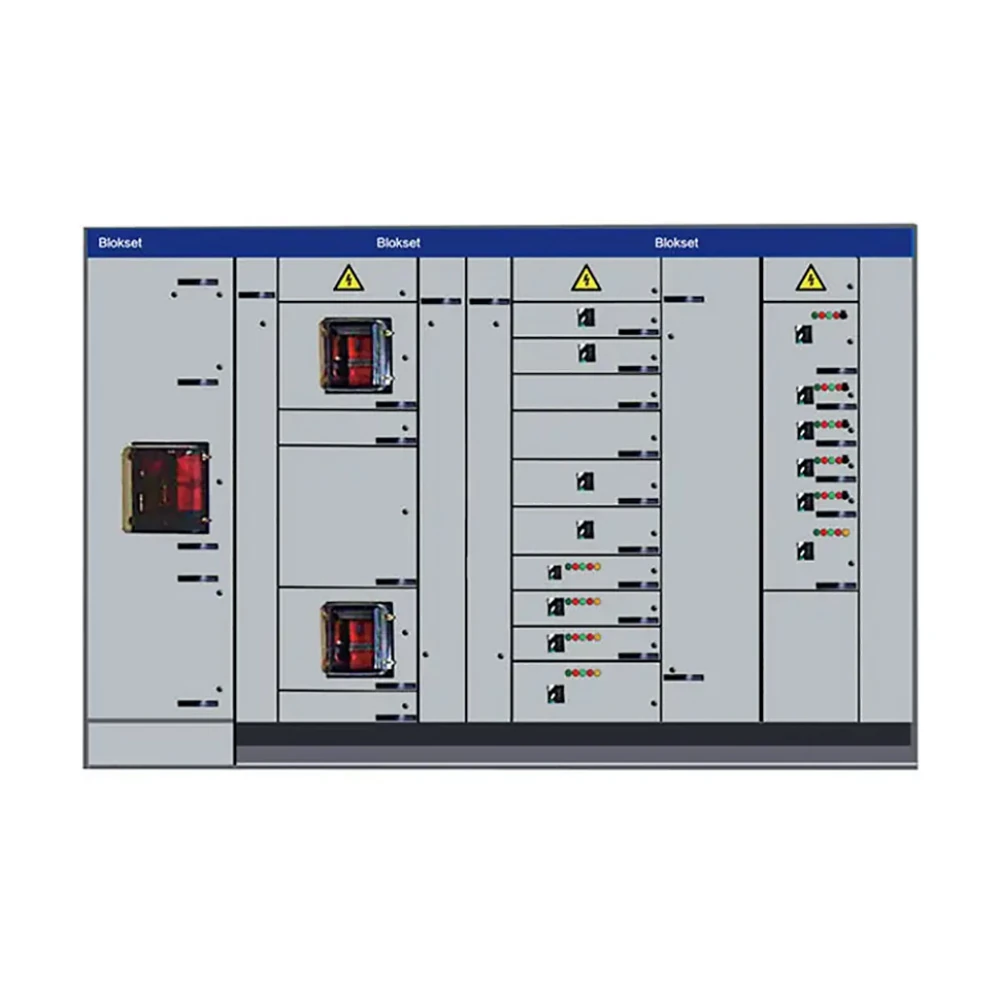
Flexible Modular Design for Different Configurations
The cabinet adopts a modular design with 20 mold installation holes, giving customers more flexibility when arranging electrical equipment inside the cabinet. Combined with customized service and different switchgear brand options, the configuration can be adjusted according to the requirements of the project instead of being limited to one fixed setup.
380/400/415VAC Low-Voltage Distribution
The cabinet supports rated voltage of 380/400/415VAC or below, with a rated insulation voltage of 660VAC. Designed for AC 50/60Hz distribution systems, it can be used for power distribution and control of electrical equipment, lighting, and distribution equipment.
This voltage range covers common low-voltage AC distribution requirements, making the cabinet suitable for a range of commercial and industrial electrical projects.
Rated Current up to 4000A
With a rated current of 4000A and below, the cabinet can be configured for different current requirements. This gives project designers more room to select a suitable configuration based on the electrical load and distribution requirements of the site.
Flexible Switchgear Brand Configuration
Banatton supports switchgear from Schneider, ABB, CHINT, DELIXI, or other brands specified by the customer. This is particularly useful for projects that already have preferred electrical component brands or need new equipment to follow existing system specifications.
Robust Cabinet Structure with Natural Heat Dissipation
The cabinet frame is welded from 8 MF cold-bending steel and includes 20 mold installation holes. Heat-emission openings are arranged at the upper and lower sections of the cabinet, creating a natural ventilation path from the bottom upward.
This structure supports heat dissipation while maintaining a practical cabinet layout. The cabinet surface is finished with electrostatic spraying, providing strong adhesion and a consistent surface finish.
Indoor and Outdoor Applications
The cabinet is available for both indoor and outdoor applications. This gives customers greater flexibility when planning the installation of low-voltage distribution equipment, while the final configuration can be selected according to the actual site conditions.
Protection and Environmental Adaptability
The related product configuration provides a protection level of IP54 or above. For projects with additional corrosion-resistance requirements, a C4 corrosion-resistant design is available as an optional configuration.
The box-type configuration is also designed to withstand environmental conditions such as wind, sand, rain, snow, and temperature changes, providing an option for projects where environmental conditions need to be taken into account.
Customized and OEM Service
Not every commercial or industrial project has the same electrical configuration. Banatton provides customized and OEM services, allowing customers to specify requirements such as voltage, current, switchgear brand, and other electrical configurations.
This makes the cabinet suitable for projects that require equipment to be configured around specific electrical conditions rather than selected from a single standard model.
Frequently Asked Questions About Energy Storage Systems
Q1: What is the lifespan of a commercial and industrial energy storage system?
A: Battery lifespan depends on the battery technology, cycle life, and how the system is used. Lithium phosphate and ternary lithium batteries can be used in commercial and industrial energy storage systems, and cycle life and charge-discharge rate are important factors when evaluating battery performance.
Q2: What is the typical capacity of a commercial and industrial energy storage system?
A: System capacity depends on the facility’s electricity demand and the intended application. Factors such as the site’s load curve, peak shaving requirements, backup power needs, and future expansion should be considered when determining the appropriate configuration.
Q3: What should I consider when choosing a commercial and industrial energy storage system?
A: Key considerations include battery type, energy capacity, cycle life, PCS configuration, energy management, system scalability, monitoring, installation environment, and maintenance requirements. The supporting electrical distribution equipment should also match the project’s voltage and current requirements.
Conclusion
Choosing a commercial energy storage system requires more than selecting the right battery capacity. The battery, PCS, energy management system, monitoring functions, scalability, and supporting electrical equipment all need to work together according to the site’s actual power requirements.
For projects that require 380/400/415VAC low-voltage power distribution and electrical control, Banatton’s customized low-voltage distribution cabinet provides flexible options for current rating, switchgear brands, installation environment, and electrical configuration. Customized and OEM services are also available for projects with specific requirements.
If you are planning a commercial or industrial energy storage project and need a low-voltage distribution solution matched to your electrical requirements, contact Banatton to discuss the configuration for your project.