Which Companies are the Top 10 Offline UPS Suppliers in the World?
Introduction
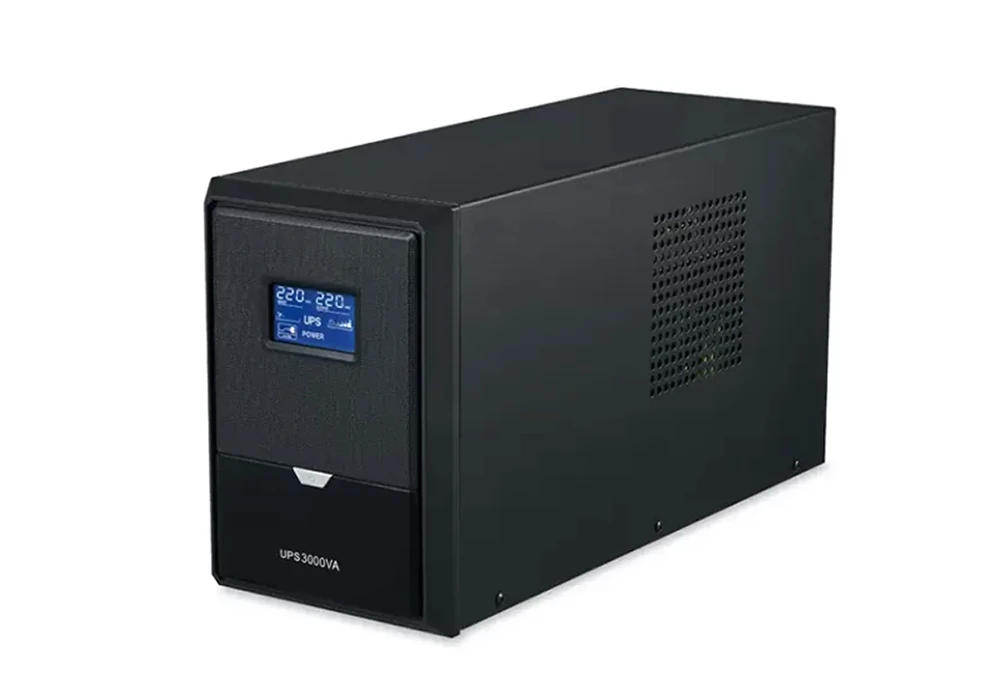
In today’s technology-driven world, uninterruptible power supply (UPS) is very important for the smooth operation of various devices and systems, and Offline UPS plays an important role in this respect. Whether it is to protect the sensitive data in the data centers, to ensure the continuous operation of key medical equipment in the hospital, or to keep the home computers running when there is a power failure, a reliable Offline UPS is indispensable equipment. This paper introduces the top ten suppliers of Offline UPS systems in the world, with special reference to a related high-tech enterprise.
Why Are Offline UPS Systems Crucial for Businesses?
In 2024, the Offline UPS market was valued at about 9 million US dollars; By 2033, the market size is expected to grow to 16 million US dollars, reflecting the compound annual growth rate (CAGR) of about 5.9%. (Source: https://www.globalgrowthinsights.com/market-reports/Offline-ups-market-117632?utm) The main driving force behind the growth of Atm is the growing global demand for backup power solutions, especially for small and medium-sized enterprises (SMEs), office environments and educational institutions, which are economical and easy to maintain.
Offline UPS systems provide reliable standby power supply during power failure to protect equipment from damage caused by voltage fluctuations. For key infrastructure, combining Offline UPS with online high-frequency UPS can not only ensure real-time power regulation, but also effectively minimize downtime and equipment wear. Furthermore, selecting a reputable UPS battery manufacturer is equally crucial, as it is the key to ensuring both battery longevity and stable performance.
Brief Introduction of Top Offline UPS Suppliers in the World
1. APC by Schneider Electric
APC by Schneider Electric is a giant in the power protection industry, with decades of history and is famous for providing high-quality power solutions. Its Offline UPS products feature advanced surge protection capabilities, effectively shielding equipment from power surges caused by various factors. An intelligent battery management system monitors battery status in real time, prolongs the battery life and ensures reliable standby power supply. Many of its products are equipped with user-friendly LCD or LED displays screens, providing users with convenient monitoring. Its main advantages include an extensive global service network (providing rapid response support to international enterprises) and high compatibility with various devices.
2. Eaton
Eaton is a diversified power management company, occupying an important position in the uninterruptible power supply market, and has a long history of innovation. Its Offline UPS units are characterized by high operational efficiency, robust construction, and remote monitoring capabilities. Some models support remote monitoring through the Internet. Its advantages lie in its industry-leading technology—driven by substantial R&D investment—and its provision of comprehensive power solutions—including power distribution units and generators—offering users a one-stop shop for power management services.
3. Huawei
As a leading ICT enterprise in the world, Huawei has entered the power protection market with innovative solutions. Its Offline UPS units feature intelligent management capabilities, allowing for remote monitoring via mobile applications or web-based platforms. These products use high-performance batteries to provide lasting standby power and fast charging ability. In addition, these devices can also be expanded to meet the increasing demands for electricity. Their main advantages lie in their innovative technology-integrating cutting-edge ICT capabilities-and their global service and support network that can provide timely help at any time.
4. CyberPower
CyberPower is specialized in providing power protection for home and business users, and it is popular because of its user-centered and cost-effective products. Its Offline UPS units provides multiple socket configurations to meet different requirements. Many models have automatic voltage regulation (AVR) function to prevent under-voltage and over-voltage situations. Its advantages include economic benefits, being very suitable for budget-conscious customers, and a relatively long product warranty periods, so that users can sit back and relax.
5. Banatton
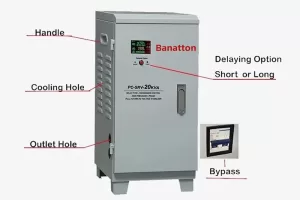
Banatton Technologies is a high-tech enterprise devoted to the core technologies of power electronics. As a manufacturer of UPS batteries, the company provides services to customers in more than 100 countries and regions around the world, and is committed to promoting digital and low-carbon sustainable energy development in government, finance, industrial manufacturing, health care, public transportation and Internet. Its Offline UPS products incorporate advanced technology and high-quality components, ensuring reliable power protection for a wide range of applications.
6. Tripp Lite
Tripp Lite has more than 90 years of rich experience in the field of power protection, and is famous for its reliability and innovation. Its Offline UPS units is made of high-quality components, providing flexible power capacity options and equipped with power management software for remote control. Its advantages include a strong brand reputation (synonymous with quality and reliability), professional customer support services and in-depth technical assistance.
7. Emerson Network Power
Emerson Network Power is a global leader in key power and cooling solutions. Its Offline UPS units has high-precision power regulation, redundancy design options and advanced communication interfaces (such as Ethernet, USB and RS 232), which are designed to meet the requirements of the most stringent applications. Its core strengths lie in its deep industry expertise and its unwavering commitment to continuous innovation in product performance and functionality.
8. Delta Electronics
Delta Electronics is a global leader in power and heat management solutions. Its Offline UPS units feature energy-efficient designs that help reduce power consumption. These devices have high power density, which can provide powerful power in a compact space. These UPS devices can operate across a wide temperature range, enabling them to adapt to various environments. Their main advantages include a high degree of vertical integration-effective quality and cost control-and a global manufacturing and sales network, ensuring rapid response to market demands.
9. Toshiba
Toshiba is a well-known Japanese enterprise group, which has made great contributions to the power supply protection market. Its Offline UPS units utilize reliable battery technology to provide a stable source of backup power. These devices adopt advanced circuit designs, which can realize high-efficiency power conversion and low-loss work. Integrated a variety of security functions to protect the UPS device itself and the connected equipment. Its strengths lie in its high-quality, highly reliable products, coupled with robust r&d capabilities that drive continuous innovation.
10. Legrand
Legrand is a global leader in infrastructure solutions for electrical and digital building. Its Offline UPS products feature aesthetically pleasing designs and ease of installation, while integrating a range of functions such—as surge protection, overvoltage protection, and battery backup—into a single unit. These products combine various protection functions into a unified solution. Their main advantages include a strong brand influence in the field of building infrastructure and the ability to seamlessly integrate with other building management systems.
Technological innovation, global service & support
Banatton Technologies (Beijing) Co., Ltd.
China
Core power electronics, digital innovation, data center & clean energy solutions
Serving 100+ countries, promoting sustainable and low-carbon digitization
Four Core Factors in Selecting Offline UPS Suppliers
When selecting an Offline UPS supplier, consider the following key points:
1. Reliability
Reliability is the cornerstone of any Offline UPS system, as it directly impacts the continuity of business operations during power outages. When selecting a vendor, priority should be given to manufacturers with a robust technical foundation—specifically those possessing a team of experienced engineers capable of designing and delivering high-performance UPS solutions. Look for vendors holding internationally recognized product certifications (such as IEC 62040 or UL 1778); such certifications provide greater assurance regarding the safety and quality of the manufactured equipment. These systems can switch rapidly and stably to backup power during grid anomalies—such as voltage surges, sags, or sudden blackouts—providing uninterrupted power protection for critical equipment and ensuring that business operations remain undisturbed by power failures. Furthermore, a vendor’s market reputation—the goodwill built through years of consistently excellent performance and customer satisfaction—serves as a powerful indicator of their reliability. Comprehensive warranty policies and robust Service Level Agreements (SLAs) further reinforce a vendor’s commitment to product accountability and ensure the system’s long-term operational stability.
2. Energy Efficiency
Energy efficiency is not merely a cost-saving measure; it is also a critical factor in minimizing environmental impact. Opt for UPS systems that feature high conversion efficiency (typically exceeding 90%) to minimize energy loss during the power conditioning process. Intelligent management features—such as automatic load shedding, battery health monitoring, and remote management capabilities—help optimize energy usage and facilitate predictive maintenance, thereby further reducing operational costs.
3. Compatibility
Compatibility ensures that the UPS system integrates seamlessly with your existing infrastructure, thereby minimizing disruption and enhancing operational efficiency. Select vendors offering UPS models with broad voltage adaptability, enabling the system to handle the input and output voltage fluctuations commonly encountered in different geographic regions or unstable grid environments. Standardized communication interfaces (such as SNMP or Modbus) facilitate easy integration with your existing monitoring and management platforms, enabling centralized control as well as real-time monitoring of power usage and system health status. Scalability is equally critical; a modular UPS design allows you to gradually expand system capacity as your business needs grow, thereby avoiding the high costs associated with replacing an entire system and ensuring long-term flexibility.
4. Rapid Responsiveness
The efficiency of after-sales support response is another key metric, as a quick response ensures that issues are resolved in a timely manner. We also recommend seeking out vendors that offer comprehensive training programs for your staff, thereby enhancing their ability to effectively operate and maintain the UPS system.
Frequently Asked Questions
Q 1: What are the main differences between Offline UPS and on-line high-frequency UPS?
A : An Offline UPS remains in standby mode, switching to battery power only when a power failure is detected (with a brief transfer time). An High Frequency Online UPS continuously converts AC power to DC and back to clean AC, powering the load through its inverter at all times, providing zero-transfer protection and superior conditioning.
Q 2: Why is the choice of UPS manufacturer so critical?
A 2: The battery is the most frequently replaced component, which determines the standby running time. A certified and reputable UPS battery manufacturer can ensure consistent quality, safety (preventing leakage or fires), accurate rated capacity and longer service life, thus reducing long-term costs and failure risk.
Q 3: Can I use the Offline UPS to protect the server?
A 3: For a non-critical file server or test server, a high-quality Offline UPS with AVR can be sufficient. For production, database or application servers, any interruption is unacceptable, and online high-frequency UPS is the necessary and recommended option.
Conclusion
In a word, when choosing an Offline UPS supplier, there are many excellent choices in the world. Each vendor mentioned in this article has its own unique functions and advantages. Whether you are looking for efficient operation, advanced technology or cost-effective solutions, you can find a supplier that meets your specific needs. Don’t forget to take a look at Banatton Technologies’ innovative power protection solutions. With the right Offline UPS, you can ensure the uninterrupted operation of your critical devices and systems, giving you peace of mind in an uncertain power environment.
An uninterruptible power supply (UPS) is an electrical device that provides emergency power to loads when the main power source (usually utility power) fails. When...
Today, businesses rely heavily on uninterruptible power to protect their critical infrastructure. To meet this demand, modular uninterruptible power supply (UPS) systems are becoming increasingly...
An industrial UPS is a device that provides temporary power to large electrical equipment during power outages. Because it uses three-phase power, which is common...
The supply of electricity has brought us great convenience and provided energy security for social development, people’s livelihoods, and industrial growth. However, power supply has...