 26Sep
26Sep

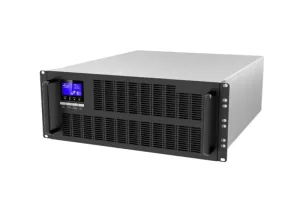
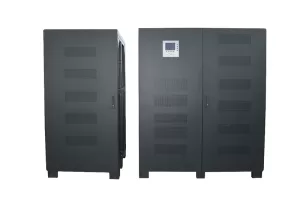
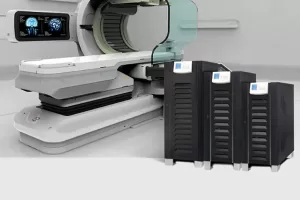
Industrial UPS systems provide backup power for critical industrial equipment during power outages, fluctuations, or disturbances. Manufacturers specifically build industrial UPS systems to meet the harsh demands of industrial environments where power outages can lead to equipment damage, production stoppages, data loss, and security risks. These UPS systems typically feature higher power capacity, enhanced durability, voltage regulation, power quality characteristics, and the ability to withstand harsh environmental conditions. They play a crucial role in ensuring uninterrupted operation, protecting sensitive industrial equipment, and maintaining productivity, safety, and operational efficiency in industrial environments.
2.11.AC to DC:
I. Advantages of Three-Phase Industrial UPS:
1.Higher Power Capacity:
Manufacturers develop three-phase industrial UPS systems to handle the high-power loads common in industrial environments. They can support large motors, pumps, compressors, and other heavy machinery. With their higher power capacity, they provide continuous power backup for critical industrial processes, avoiding costly downtime and equipment damage.
2.Improved Efficiency:
Three-phase online UPS systems are more efficient than single-phase UPS systems. By splitting power into three phases, they minimize power loss and reduce energy consumption. This efficiency translates into cost savings and a smaller environmental footprint.
3.Voltage Regulation and Power Quality:
Industrial applications require stable and clean power. Three-phase UPS systems offer precise voltage regulation, compensating for voltage dips, surges, and fluctuations. They also provide excellent harmonic distortion reduction, ensuring a clean and reliable power supply for critical equipment. This not only improves the performance and lifespan of industrial machinery but also minimizes the risk of failures and downtime.
4.Scalability and Redundancy:
Industrial operations often require increasing power demands. Three-phase industrial UPS systems can be expanded to handle increased loads. They offer a modular design, allowing the addition of UPS modules as power demand increases. Furthermore, redundant configurations provide higher reliability and fault tolerance. Redundant UPS modules ensure that critical equipment continues to be powered even if one module fails, thereby improving system availability.
5.Rugged Construction and Environmental Adaptability:
Industrial environments can be extremely harsh, with high temperatures, humidity, and vibration. Three-phase industrial UPS systems can withstand these challenging environments. They feature a robust construction and an advanced thermal management system, ensuring reliable operation in extreme environments. In addition, they are equipped with dust filters, anti-corrosion coatings, and shock absorption protection features, making them suitable for various industrial environments.
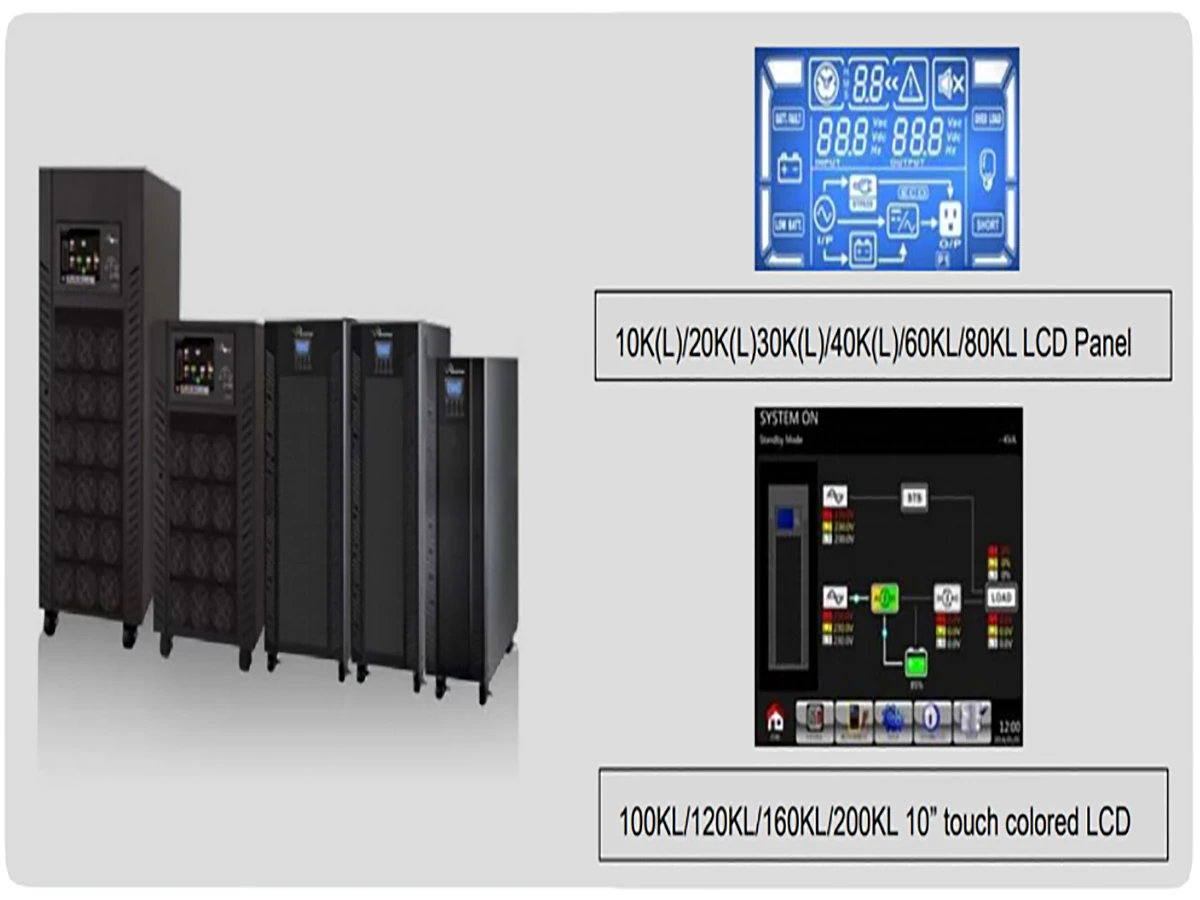
II. How do three-phase industrial UPS systems work?
Industrial uninterruptible power supply (UPS) systems function by providing backup power to critical equipment during power outages or fluctuations. Here is a simplified explanation of how they work:
1.AC to DC:
An industrial UPS system connects to a utility power supply, which provides AC power. The UPS system contains a rectifier that converts the AC power to DC power. This DC power charges the UPS system’s internal batteries.
2.Battery Backup:
The UPS system’s batteries act as backup power. They store electricity for charging and provide power during power outages or when power quality is poor.
3.Inverter Conversion:
When a power outage or interruption occurs, it activates the UPS system’s inverter. The inverter converts the DC power from the batteries to AC power, mimicking the voltage, frequency, and waveform characteristics of the utility power supply.
4.Seamless Power Transfer:
Once the inverter begins providing AC power, it seamlessly transfers the load from the utility power supply to the UPS system’s battery power. This instantaneous transfer ensures uninterrupted power to critical equipment.
5.Continuous Monitoring:
Industrial UPS systems continuously monitor incoming power. If power quality falls below acceptable levels (e.g., voltage drops, surges, harmonics), the UPS system uses its internal electronics to regulate and stabilize power output, protecting connected equipment from potential damage.
6. Return to Utility:
Once utility power is restored and stabilized, the UPS system automatically reconnects the load to the utility. This reconnection is seamless and does not interrupt power to connected equipment.
Furthermore, industrial UPS systems typically integrate surge suppression, voltage regulation, and isolation transformers to provide additional protection against electrical interference and improve the overall power quality for critical loads.
By employing these mechanisms, industrial UPS systems ensure a continuous and reliable power supply to sensitive industrial equipment, preventing downtime, equipment damage, and data loss during power outages.