 10Dec
10Dec

Amidst the wave of digitalization, large-scale Uninterruptible Power Supplies (UPS) have emerged as core equipment for ensuring critical business operations in sectors such as data centers and finance. This article provides an in-depth analysis of the various types of large-scale UPS systems. For instance, Double-Conversion Online UPS units deliver stable power with zero transfer time for large-scale applications, while Modular UPS systems address the high scalability requirements of large enterprises. The article also details the key considerations for selecting a large-scale UPS system, including power capacity and backup runtime. As a leader in the industry, Banatton offers a comprehensive range of large-scale UPS solutions spanning multiple types. Leveraging advantages such as intelligent management and high energy efficiency—and supported by real-world case studies—Banatton demonstrates its effectiveness in reducing costs and enhancing corporate reliability. This article serves as a comprehensive reference guide for users, assisting you in selecting the most suitable large-scale UPS system for your needs.
I. The Indispensable Role of Large-Scale Uninterruptible Power Supplies:
1. Protecting Critical Infrastructure:
Large-scale UPS systems serve as the first line of defense for industries that rely on complex IT ecosystems. In data centers—which process millions of data transactions daily—even a brief power outage can trigger a cascading failure, resulting in data corruption and service disruptions. For example, Amazon Web Services (AWS) reported that a one-hour outage in 2021 resulted in estimated losses of $100 million. Similarly, in hospitals, large-scale UPS systems ensure the uninterrupted operation of life-saving equipment—such as ventilators and MRI machines—directly impacting patient outcomes.
2. Maintaining Business Continuity:
Enterprises in the finance, telecommunications, and manufacturing sectors rely on large-scale UPS systems to sustain uninterrupted operations. For instance, financial trading floors process thousands of transactions every second. Any power interruption could lead to failed trade executions, regulatory non-compliance, and irreparable damage to market reputation. With a reliable large-scale UPS, businesses can continue operations during grid failures, thereby safeguarding revenue streams and maintaining customer trust.
3. Fulfilling Regulatory Requirements:
Many industries face stringent regulations regarding power backup systems. For example, financial institutions must comply with regulations such as Basel III, which mandates robust power continuity measures to protect customer data. Large-scale UPS systems enable organizations to meet these requirements, ensuring regulatory compliance and avoiding hefty fines.
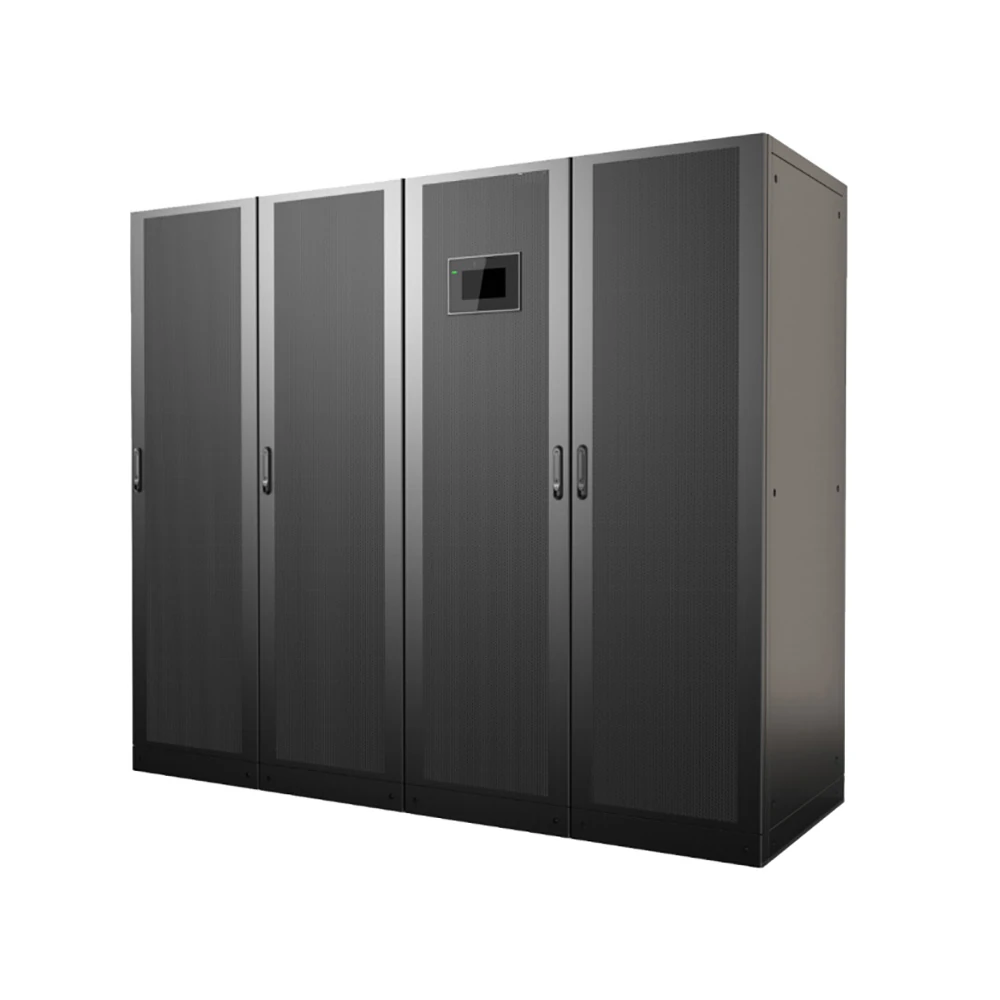
II. Unveiling the Working Mechanisms of Large-Scale Uninterruptible Power Supplies:
1. Core Operating Principles:
The core operating principle of a large-scale UPS is the “dual-mode” mechanism. During normal grid operation, the system functions as a power conditioner, stabilizing incoming power while simultaneously charging the battery bank. In the event of a power outage, the UPS instantly switches to battery-powered mode, ensuring zero transfer time and maintaining an uninterrupted power supply to connected loads. This seamless transition is achieved through advanced static switch technology, which monitors power quality in real-time and activates the backup power source within milliseconds.
2. Power Conversion Process:
The power conversion process in large-scale UPS systems comprises three key stages. First, a rectifier converts incoming Alternating Current (AC) into Direct Current (DC); this DC power charges the batteries and supplies the inverter. The inverter subsequently converts the DC power back into AC power, adjusting the voltage and frequency to meet the specific demands of the load. Finally, a static switch manages the transition between grid power and UPS power, ensuring a stable output under all operating conditions.
III. Types of Large-Scale Uninterruptible Power Supply Systems:
1. Double-Conversion Online UPS:
Functions and Features: Considered the gold standard for critical applications, the Double-Conversion Online UPS continuously supplies power from its inverter, thereby isolating the connected load from grid fluctuations. It offers zero transfer time, superior voltage regulation, and exceptional protection against electrical noise. This type of UPS is ideally suited for data centers, where even minor power fluctuations can disrupt server operations.
Banatton’s Double-Conversion Online UPS models are equipped with an intelligent battery management system that reduces battery consumption by 30% compared to traditional models. With efficiency ratings reaching up to 96%, these systems significantly lower operating costs while providing robust power protection.
2. Modular UPS:
Functions and Features: Modular UPS systems offer unparalleled flexibility, allowing users to add or remove power modules based on their specific requirements. This scalability makes them ideal for growing enterprises or facilities with fluctuating power demands. In the event of a module failure, parallel redundancy ensures continuous operation, thereby minimizing downtime.
Banatton’s Innovation: Banatton’s modular UPS solutions feature hot-swappable modules, enabling maintenance to be performed without the need to shut down connected systems. Their modular design allows for scalability ranging from 100 kVA up to 5 MVA, catering to a diverse array of application needs.
IV. Key Considerations for Selecting Large-Scale UPS Systems:
1. Power Capacity Calculation:
Determining the appropriate power capacity is crucial. First, calculate the total power consumption of all connected devices, including servers, cooling systems, and network equipment. It is recommended to select a UPS with a capacity 20% to 30% higher than the current load to accommodate future expansion. Banatton offers a wide range of large-scale UPS models, ranging from 200 kVA to 10 MVA, ensuring that the specific requirements of various applications are perfectly met.
2. Backup Duration Requirements:
Backup duration depends on various factors, such as the time required to start backup generators or to safely shut down critical systems. For data centers, a backup duration of at least 15 to 30 minutes is recommended. Banatton’s large-scale UPS systems can be customized with various battery configurations, offering backup durations ranging from 10 minutes to 4 hours.
3. Energy Efficiency Metrics:
Energy-efficient UPS systems not only reduce operating costs but also contribute to environmental sustainability. Look for models featuring high-frequency conversion technology and energy-saving modes. Banatton’s large-scale UPS products utilize advanced energy-saving algorithms, reducing power consumption by up to 25% compared to traditional models.
4. Redundancy and Scalability:
Redundancy is key to ensuring high availability. N+1 or 2N redundancy configurations provide an additional layer of protection. Scalability, meanwhile, allows for easy expansion as power demands increase. Banatton’s modular UPS solutions combine both features, enabling users to build highly reliable and scalable power protection systems.
5. Monitoring and Management Capabilities:
Advanced monitoring features—such as remote monitoring, real-time status reporting, and predictive maintenance—are essential for the proactive management of UPS systems. Banatton’s large-scale UPS systems are equipped with intuitive monitoring interfaces, allowing users to remotely track performance metrics, receive alerts, and schedule maintenance tasks.
V. Banatton Large-Scale UPS Solutions:
1. Customized Product Portfolio:
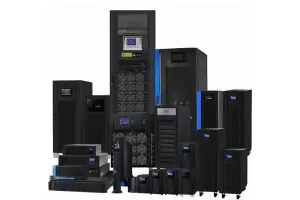
Banatton offers a comprehensive suite of large-scale UPS solutions, including double-conversion online UPS systems, modular UPS systems, and hybrid UPS systems. Each product features high-quality components and advanced technology, ensuring reliable performance even in the most demanding environments.
2. Custom Design Services:
Banatton’s team of experts understands that every enterprise has unique power requirements; therefore, we provide end-to-end custom design services. From initial power assessments to system design and installation, Banatton ensures that its UPS solutions align perfectly with the client’s operational requirements.
3. World-Class After-Sales Support:
Banatton’s commitment to customer satisfaction extends far beyond product delivery. Supported by a global network of service centers and a 24/7 technical support team, Banatton provides timely maintenance, rapid emergency response, and comprehensive training services, ensuring that the UPS system maintains optimal performance throughout its entire lifecycle.