 10Dec
10Dec

Selecting the right modular UPS capacity is one of the most critical decisions in designing a reliable data center power infrastructure. Whether you are planning a small server room or a large-scale internet data center, the choice between 50kVA, 100kVA, or 200kVA modular UPS systems directly impacts system reliability, scalability, maintenance cost, and long-term operational efficiency.
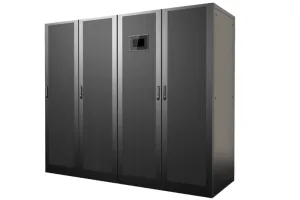
Modern data centers increasingly prefer modular UPS architecture due to its flexibility, high efficiency, and ability to expand without system downtime. The BT9300-M series modular UPS (20kVA–300kVA) is designed specifically for such scalable environments.
This guide explains how to evaluate capacity requirements and choose the right modular UPS configuration based on real operational needs.
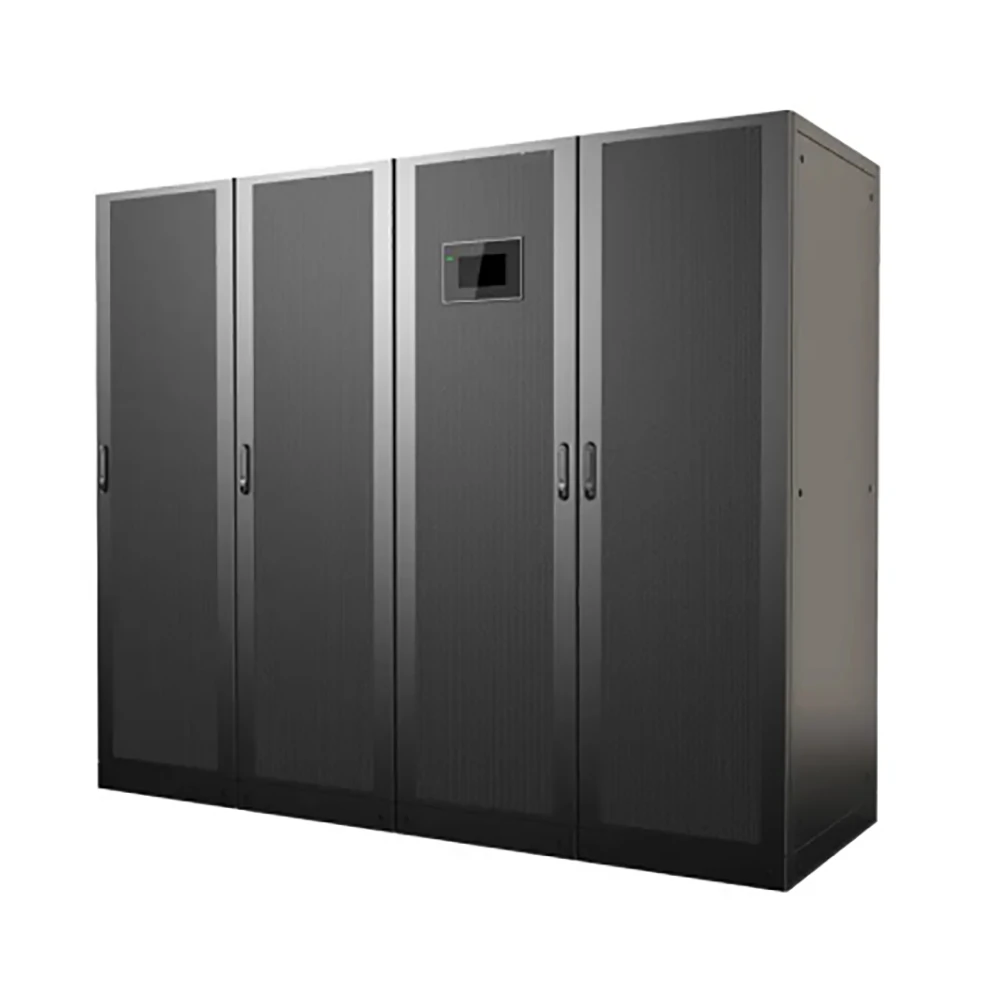
What Is a Modular UPS and Why Is It Important for Data Centers?
A modular UPS system is composed of multiple independent power modules that operate in parallel inside a unified cabinet. Unlike traditional monolithic UPS systems, modular UPS allows users to add or replace power modules without shutting down the system. The BT9300-M modular UPS system supports a capacity range from 20kVA to 300kVA, making it suitable for both small and large data centers.
Key advantages of modular UPS systems include:
- Online hot-swappable power modules
- Gradual capacity expansion without downtime
- N+X redundancy architecture for improved reliability
- High system efficiency above 95% under typical loads
- Reduced maintenance complexity and downtime risk
These features make modular UPS systems particularly suitable for environments where continuous uptime is critical.
How to Calculate the Right UPS Capacity for Your Data Center
Before choosing between 50kVA UPS, 100kVA UPS, or 200kVA UPS, the most important step is to calculate the actual power requirement of your data center.
1. Determine Critical Load
The first step is identifying all equipment that requires uninterrupted power, such as:
- Servers
- Storage systems
- Network equipment
- Monitoring and control systems
The total load must be calculated in kW or kVA based on actual consumption.
2. Plan for Future Expansion
Data centers rarely remain static. Modular UPS systems such as BT9300-M are designed for incremental expansion. Instead of oversizing at the beginning, users can start with a lower capacity and add modules later.
3. Consider Redundancy (N+X)
Modular UPS systems typically use redundancy configurations such as N+1 or N+X. This means that even if one module fails, the system continues operating without interruption.
4. Evaluate Efficiency and Power Quality
The BT9300-M system provides:
- Power factor = 1.0 (full usable capacity)
- Input power factor ≥ 0.99
- THDi ≤ 3% at full load
- Output THD ≤ 2% (linear load), ≤ 3% (non-linear load)
- Zero transfer time (0 ms)
These parameters ensure stable output for sensitive IT equipment.
When Is a 50kVA Modular UPS the Right Choice?
A 50kVA modular UPS configuration is typically suitable for small-scale data centers or edge computing environments.
Suitable Applications:
- Small server rooms
- Branch office IT infrastructure
- Light industrial control systems
- Monitoring or security systems
Advantages:
- Lower initial investment
- Flexible expansion using modular design
- Reduced space requirements
Even at this scale, modular architecture ensures that capacity can be expanded without replacing the entire system.
When Should You Choose a 100kVA Modular UPS?
A 100kVA modular UPS is typically used in medium-sized data centers where IT load is growing and requires stable expansion capability.
Suitable Applications:
- Enterprise data centers
- Telecom base station hubs
- Medium industrial automation systems
- Financial or transaction systems
Key Benefits:
- Balanced between cost and scalability
- Supports higher redundancy configurations
- Allows staged investment as demand increases
At this level, modular UPS becomes more cost-efficient compared to traditional fixed-capacity systems because users avoid over-investing in unused power capacity.
Why Large Data Centers Use 200kVA Modular UPS Systems
200kVA modular UPS systems are typically deployed in large data centers, critical infrastructure, and high-density computing environments.
Suitable Applications:
- Internet data centers (IDC)
- Large-scale enterprise IT systems
- Telecom control centers
- Industrial production and petrochemical systems
- Medical and critical control environments
Key Advantages:
- Supports high-density computing environments
- Provides stronger redundancy protection
- Reduces risk of downtime in mission-critical operations
- Supports parallel expansion and system scalability
With modular design, these systems can also be expanded up to higher capacities (BT9300-M supports up to 300kVA per cabinet), making them future-proof.
50kVA vs 100kVA vs 200kVA Modular UPS Comparison
Although all three capacities follow the same modular architecture, their usage scenarios differ significantly.
1. Capacity Scaling
- 50kVA: Entry-level modular deployment
- 100kVA: Medium enterprise applications
- 200kVA: High-load data center infrastructure
2. Scalability
All configurations support modular expansion. With BT9300-M, power modules (20kW / 25kW / 30kW) can be added or replaced while the system is running.
3. Maintenance
All levels support:
- Front-access maintenance
- Hot-swappable modules
- No system shutdown required during replacement
This reduces operational downtime and maintenance cost significantly.
4. Efficiency and Energy Consumption
BT9300-M provides:
96% efficiency at 50–75% load
95% efficiency at 25% load
This ensures optimized energy usage across different load levels.
Key Features of BT9300-M Modular UPS System
The BT9300-M series is designed for modern data centers requiring scalability and reliability.
Modular Capacity Design: Cabinet range: 20–90kVA, 25–150kVA, up to 30–300kVA, Supports multiple power module sizes: 20kW, 25kW, 30kW
Hot-Swappable Architecture: Power modules can be replaced without interrupting system operation, ensuring continuous uptime.
Advanced Digital Control: DSP-based full digital control improves system stability and supports parallel operation of multiple UPS units.
High Input Adaptability: With a wide input voltage range of 138–485Vac and frequency range of 40–70Hz, the BT9300-M series modular UPS is designed to perform reliably in unstable grid conditions.
Intelligent Battery Management: The system automatically manages battery charging and maintenance, extending battery life and improving reliability.
Parallel Expansion Capability: Supports up to 4 UPS systems operating in parallel, enabling online capacity expansion without centralized bypass cabinet.
Common Mistakes When Choosing Modular UPS Capacity
1. Choosing Based Only on Current Load
Many users underestimate future growth, leading to early system limitations.
2. Ignoring Redundancy Requirements
Without proper N+X configuration, system reliability may be compromised.
3. Overlooking Expansion Capability
Not all UPS systems support true hot expansion. BT9300-M data center UPS solves this with modular architecture.
4. Miscalculating Efficiency Impact
Lower efficiency systems increase long-term electricity costs significantly.
Applications of BT9300-M Modular UPS Systems
The system is widely used in:
- Internet data centers
- Telecom base stations
- Industrial automation systems
- Medical equipment environments
- Monitoring and security centers
- Mining, chemical, and petrochemical industries
These applications require continuous power stability and zero interruption tolerance.
Conclusion: Which Modular UPS Capacity Should You Choose?
Choosing between 50kVA, 100kVA, and 200kVA UPS systems depends on your current load, growth expectations, and redundancy requirements. However, the key advantage of modern modular UPS systems like BT9300-M is that capacity is no longer fixed at installation. Instead, it can grow dynamically from 20kVA up to 300kVA, ensuring long-term scalability and cost efficiency. For data centers focused on reliability, energy efficiency, and future expansion, modular UPS architecture provides a more sustainable solution than traditional fixed-capacity systems.