 26Sep

Battery cycle life counts charge and discharge cycles to a stated capacity limit. What does a claim of “5,000 cycles” tell you if the seller leaves out the test conditions?
For a buyer, the key question is how long the battery can support the load. A large cycle count alone can’t answer it. Check the depth of discharge, the capacity left at the end, and the test conditions. You also need calendar life, since batteries age while waiting for the next power outage.
This guide shows how to read battery cycle life figures and compare published ratings. You’ll learn to estimate years from your usage, then check what the estimate leaves out. Daily solar storage and a lightly used uninterruptible power supply (UPS) need different checks.
We separate model data from simple sums to help you ask the right questions. You can then judge a lab result against the work your own battery needs to do.
Key Takeaways
- Compare battery cycle life only when discharge depth, capacity limits, and test conditions match.
- Two separate 50 Ah withdrawals equal one equivalent full cycle when the declared reference is 100 Ah.
- Victron’s Lithium Battery Smart table lists 2,500 cycles at 80% discharge depth and 5,000 at 50%, with capacity ≥80% of nominal.
- A 2,000-cycle budget divided by 365 matching cycles per year gives 5.48 years, before accounting for calendar aging and other limits.
- Required runtime and measured battery condition determine replacement needs alongside cycle history.
What does battery cycle life mean?
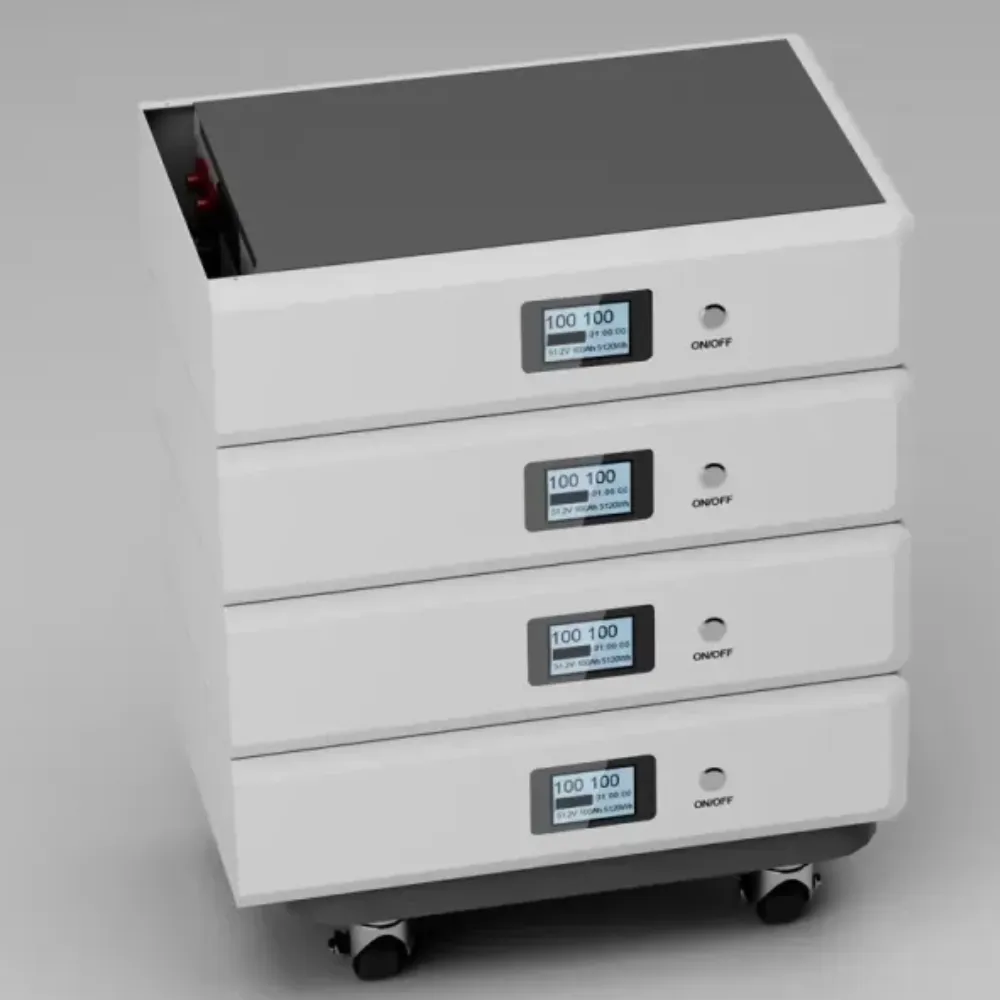
Battery cycle life is a test result with a stated end point. That point may be a fraction of the capacity when new. Capacity can fade before the last rated cycle. A battery can also keep working after that point, though it may no longer meet the load’s needs.
Keep these four terms separate when you read a data sheet:
| Term | What it tells you | What it doesn’t establish |
|---|---|---|
| Cycle count | Events or full-cycle equivalents, using a stated method. | It cannot show remaining runtime without a check. |
| Depth of discharge | Share of stated capacity used in one event. | It does not show capacity left after years of use. |
| Retained capacity | Tested capacity now, as a share of the reference. | Power limits and alarms still apply. |
| Calendar life | Time to a stated end point under set aging conditions. | It is not a warranty or a fixed service date. |
If you’re still choosing a technology, start with our storage battery selection guide, then compare the exact model’s life data.
Count partial use without double-counting charge
An equivalent full cycle (EFC) tracks use against a stated reference. Here we use a fixed rated capacity in ampere-hours (Ah). Divide the total Ah drawn out by that rated Ah value. Count discharge only, since adding both charge and discharge would double the result.
Hypothetical example: Alex manages a small test system with a 100 Ah reference battery. On Monday, they withdraw 50 Ah, recharge, and withdraw another 50 Ah on Tuesday. Their log therefore shows two discharge events but only one EFC: (50 + 50) ÷ 100 = 1. Alex logs both totals with clear labels, so the event total isn’t mistaken for the supplier’s full-cycle figure.
EFC tracks use, not equal wear. Two patterns with the same EFC may stress a battery in different ways. You still need the model’s battery cycle life curve. Check the monitor’s cycle count rule and reference capacity before you use its display.
How to compare battery cycle life ratings
To compare battery cycle life, start with the test conditions. A higher cycle count may reflect a shallower discharge. It may also use a lower capacity limit at the end of the test.
Read an attributed manufacturer example
The Victron Lithium Battery Smart technical data gives the following figures for its LFP-Smart family. LFP means lithium iron phosphate, also written LiFePO4. The figures apply to the named Victron family. Other LFP batteries, including Banatton models, need their own data.
| Published depth of discharge | Published cycle life | Stated capacity endpoint |
|---|---|---|
| 80% | 2,500 cycles | Capacity ≥80% of nominal |
| 70% | 3,000 cycles | Capacity ≥80% of nominal |
| 50% | 5,000 cycles | Capacity ≥80% of nominal |
The table shows why depth of discharge matters to battery cycle life. The rows do not give all the test conditions. A temperature listed for a different test may not apply here. Ask for the report that supports the cycle rating.
You can also multiply cycle count by discharge fraction. This rough index compares use against nominal capacity:
| Published row | Simple sum | Nominal-capacity equivalents |
|---|---|---|
| 80% discharge | 2,500 × 0.8 | 2,000 |
| 70% discharge | 3,000 × 0.7 | 2,100 |
| 50% discharge | 5,000 × 0.5 | 2,500 |
The 50% row has twice the cycle count of the 80% row. Its index is only 25% higher. These sums omit fade, losses, voltage changes, and aging with time. They are not measured lifetime kWh delivered to a load.
Ask suppliers for comparable evidence
Use this checklist before deciding that one battery cycle life rating is stronger:
- Identify the product. Record the cell, module, and battery model. Ask which one was tested.
- Fix the endpoint. Ask what capacity or power limit ends the test. Check how the starting capacity was measured.
- Match the operating window. Record depth of discharge and both charge-state limits. One percentage may leave out the upper limit.
- Match the current. Get charge and discharge rates and cutoff limits. Ask about rest times and the charge method.
- Check the environment. Ask for test temperature and cooling details. Check whether these fit the site.
- Separate time and coverage. Request calendar life evidence. Read the written warranty terms as a separate document.
If the conditions are missing, you can’t yet compare the offers fairly. Ask for the gaps to be filled. A curve from another brand cannot fill them.
What changes battery wear in daily use?
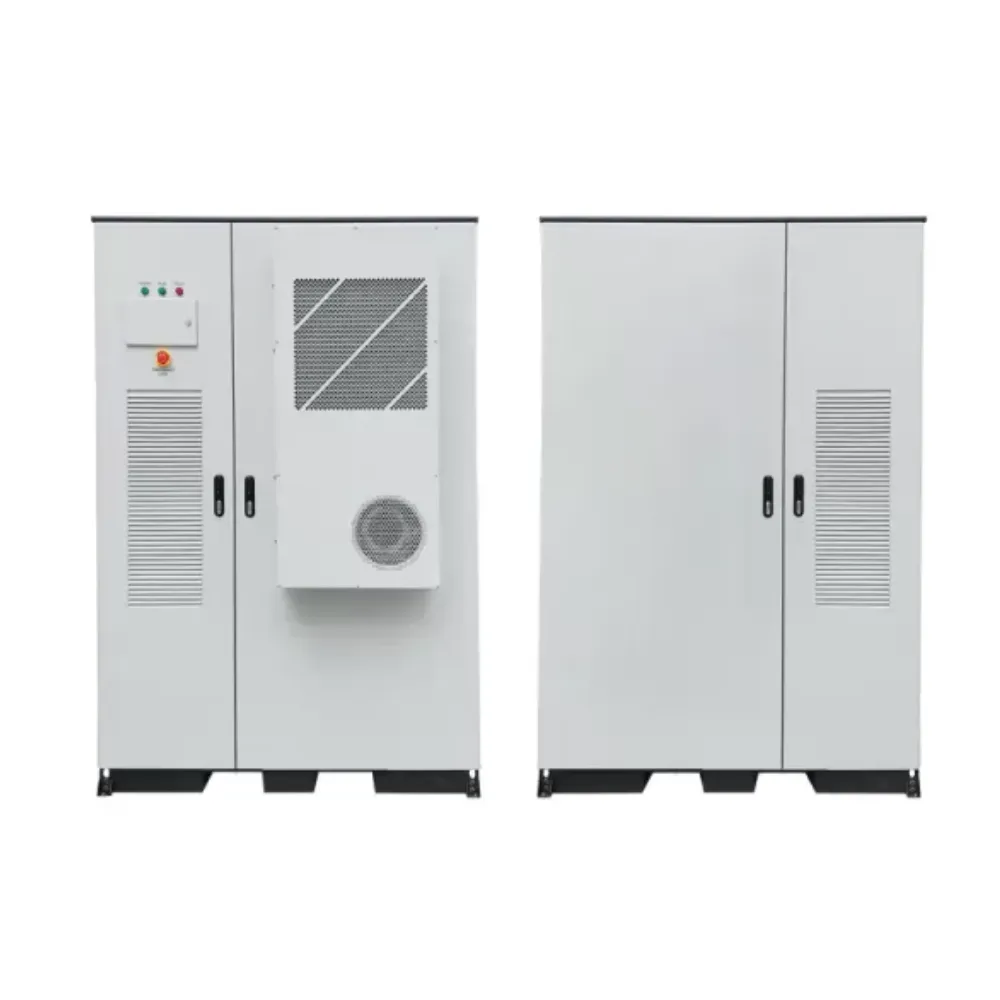
Battery cycle life depends on how the battery operates. Depth of discharge is one influence; charge state, heat, current, and correct care also affect the result. Treat calendar life and cycling wear together when planning service.
Balance energy per event with wear
A shallower depth of discharge usually reduces wear from cycling. It also gives less energy per event. You may need a larger battery to support the same load. Choose the window to suit the load and model, not just to raise cycle count.
The Battery University guide to lithium battery longevity explains the influence of discharge depth, temperature, and charge state. Its tables use particular chemistries and end points. Do not copy those voltages into an LFP charger. They also do not prove Banatton battery cycle life.
Include time, heat, and charging conditions
Calendar life matters even when little energy moves through the battery. Heat and long periods at high charge can stress lithium cells.
Yet a UPS still needs its required outage reserve. Some models also need full charging at set times for cell balance. Use the model’s instructions to choose a standby charge plan.
For lead-acid care, Trojan’s battery maintenance guidance recommends discharge of 50% or less. This is the guidance shown there, not a hard limit for every model. Trojan also warns against leaving batteries deeply discharged. Use the right manual for the type you own.
- Flooded lead-acid cells may need watering and specified equalization charging. Follow the manual for that model and task.
- Absorbent glass mat (AGM) and gel batteries are sealed lead-acid types. Do not copy flooded-cell care into their charge settings.
- Lithium batteries need their own charge and BMS rules. Keep those rules separate from lead-acid maintenance.
Use these operating actions to support battery cycle life:
- Set a suitable depth of discharge. Have qualified staff check the allowed window. Keep enough stored energy for the load.
- Use the approved charge profile. Check chemistry, voltage, current, and temperature limits. Use the right profile for the model.
- Track battery temperature. Check for hot cabinets and cooling faults. Room temperature may not show how warm the cells get.
- Keep calendar life records. Keep the start date and storage history with the use log. A quiet battery still ages.
- Investigate repeated trips. A battery management system (BMS) protects operating limits. Have repeated trips checked; do not raise the limits to hide the fault.
These steps help preserve the conditions behind a battery cycle life rating. They don’t restore lost capacity or reset the battery’s age.
Estimate years from your actual duty cycle
First divide rated cycles by matching cycles per year. Matching means the test and use log share a cycle definition and depth of discharge. Their current, temperature, and charge method must also fit. Calendar life can limit service before this cycle budget runs out.
Cycle-budget years = rated cycles ÷ matching cycles per year
For a hypothetical 2,000-cycle rating and one matching cycle each day, 2,000 ÷ 365 = 5.48 years. This is a cycle-budget calculation, not a predicted replacement date. Actual battery cycle life in service also reflects the load, temperature, charging, and capacity endpoint.
| Planning question | Required input | Mistake to avoid |
|---|---|---|
| How often does the battery discharge? | Operating log with event duration and depth of discharge | Treating every small outage as a full cycle |
| What does the cycle count represent? | Monitor definition and normalization reference | Mixing events, EFC, and manufacturer test cycles |
| Does the use match the rating? | Current, charge profile, discharge window, and temperature | Applying a mild test result to harsher operation |
| How does calendar life affect the plan? | Model-specific aging evidence and operating history | Extrapolating infrequent cycling into decades of assured use |
Hypothetical example: Jordan compares daily storage use with an office UPS that supplies power during only 12 events a year. A quoted 2,000-cycle rating initially looks sufficient for both, but the daily schedule consumes matching cycles much faster. Jordan spots shallow events in the UPS log, so its raw total cannot support that comparison. They request depth records and a runtime check, then plan each use separately rather than claim 2,000 ÷ 12 years of service.
Keep the estimate tied to the measurement
- A daily event at 50% of a fixed rated-Ah reference adds about 0.5 EFC. The event log may still add one.
- A battery cycle life test may count each discharge and recharge at a stated depth as one cycle. Check the test method.
- Calendar life keeps advancing between events. Fewer events do not stop aging or guarantee a longer field life.
A change in depth of discharge also changes your battery cycle life forecast. Review new loads, deeper discharges, and charge delays before you reuse last year’s estimate. Keep the old assumptions beside the new ones so the team can see what changed.
Check UPS runtime and storage requirements
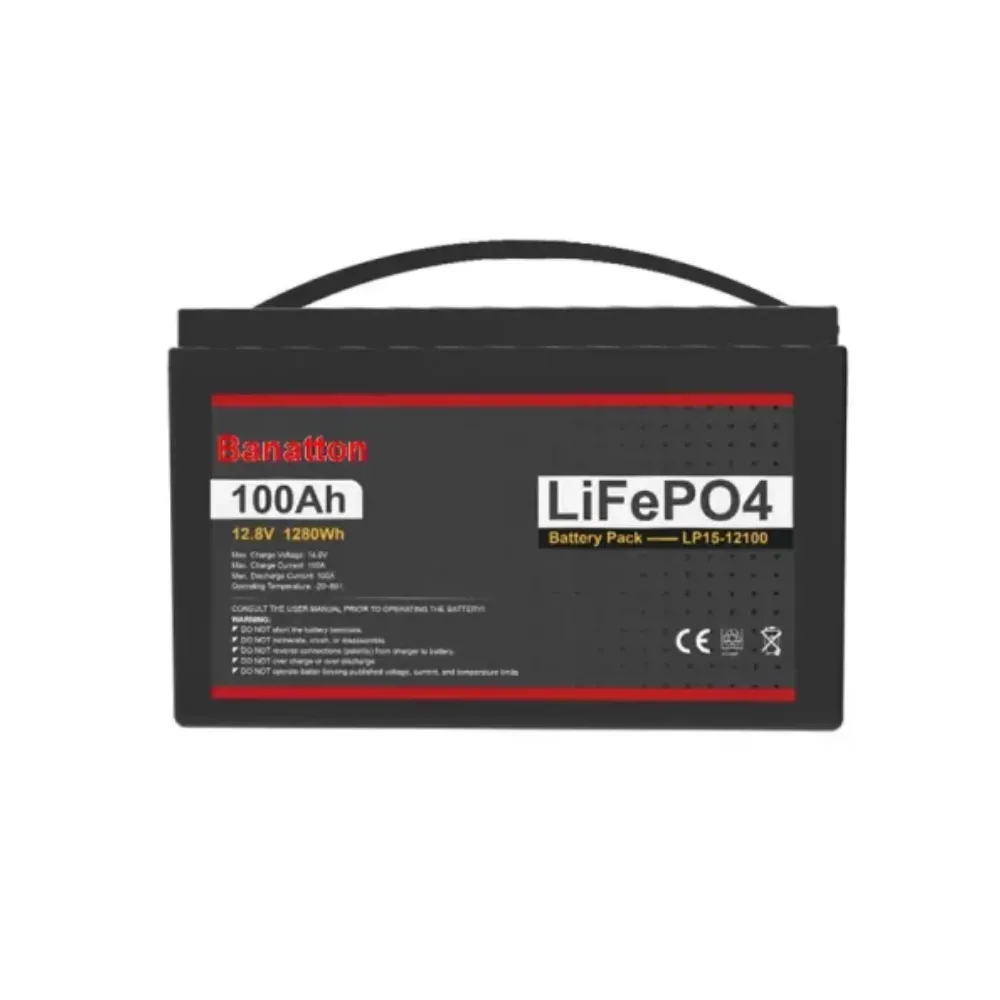
Battery cycle life supports selection, but runtime supports the operating decision. A low cycle count doesn’t prove that an aging battery will carry the required load. Define the required runtime before you use battery cycle life to plan replacement.
For daily storage, compare usable energy per event and the planned depth of discharge. For a standby UPS, examine calendar life, charge maintenance, alarm history, and performance at the required discharge rate. Both need a realistic plan for replacement access and recovery after an outage.
Build a record that supports replacement decisions
| Record | What to include | Decision it supports |
|---|---|---|
| Load requirement | Running and peak power, runtime, and critical loads. | Can the battery still carry the load? |
| Discharge history | Dates, duration, depth of discharge, and full recharge. | Does use still fit the planned duty cycle? |
| Condition checks | Approved test results, temperatures, and alarm trends. | Does a low cycle count hide lost performance? |
| Aging history | Start date, storage conditions, and past care. | Does calendar life evidence still fit the site? |
| Supplier documents | Model data, battery cycle life conditions, and warranty terms. | Is there enough proof to compare the offers? |
Start sizing with the battery capacity calculation guide. For short-duration UPS loads, then use the exact discharge data and the UPS runtime and discharge curves guide. Nominal Ah or kWh alone doesn’t establish high-rate runtime.
Have qualified staff use the maker’s test procedure and an approved plan to keep power available. Don’t deep-discharge a live critical-load system just to check its cycle count. Keep the required reserve and stay within the equipment’s limits.
Decide what a failed comparison needs
Before a purchase, sort the open questions by the decision they affect:
- Missing cycle test: Ask for the exact report and model name. Hold the life comparison open until the data match.
- Missing load data: Measure the required power and time. A life rating cannot tell you how large the battery must be.
- Missing care rules: Obtain the charge and storage instructions. The site team needs a plan it can follow after the sale.
- Missing age evidence: Ask how the stock was stored. Include calendar life in the review before accepting unused stock as suitable.
- Missing runtime proof: Ask for a documented sizing basis or approved test. Do not treat a high cycle count as proof of backup time.
This keeps battery cycle life in its proper role. It is one part of a complete selection, alongside energy, power, site conditions, and service needs.
Comparing battery options? Explore Banatton storage batteries and ask for the proposed model’s battery cycle life conditions, charger requirements, and compatibility documents. Keep the catalog selection separate from any unverified performance or warranty assumption.
Battery cycling questions buyers ask
What counts as one battery cycle?
It depends on the stated accounting method. A test may count a discharge and recharge at a set depth as one cycle. Partial use may instead add up to EFC. Check the cycle count rule before comparing a monitor with battery cycle life data.
Is a 2,000-cycle battery good?
It may fit the application if the test conditions and required performance align. Compare depth of discharge, retained capacity, power capability, and calendar life before judging the number. A larger count under easier conditions doesn’t prove a better battery for your load.
How many years will 2,000 cycles last?
At one matching cycle daily, the arithmetic is about 5.48 years. Fewer cycles per year stretch that budget, but calendar life and actual condition can limit service earlier. A battery cycle life rating therefore cannot establish years of use by itself.
Can an unused battery still age?
Yes. Calendar life reflects time-dependent aging even without frequent cycling. Storage charge, temperature, and the manufacturer’s maintenance requirements matter, so check the storage history before treating an unused battery as fresh stock.
Should I replace a battery with a low cycle count?
Use the model’s service rules and the load’s needs to decide. A low cycle count doesn’t override failed runtime tests, damage, persistent alarms, or manufacturer instructions. Battery cycle life cannot excuse a failed test. Act on faults through the approved service process.
Choose a rating that supports your load
Battery cycle life is useful when you can link the number to the work your battery must do. Start with the discharge window and capacity limit. Check the current and test conditions too. Then compare those details with the way you plan to use the battery.
Keep the terms clear. A cycle count tracks use, while calendar life deals with age. Neither tells you, by itself, whether the battery can still carry the load. Capacity can fade slowly, even in a battery that spends most of its time on standby.
Bring the load schedule, use log, temperature records, and model documents together. Set a clear runtime goal and a plan for checks and replacement. Ask qualified staff to review the plan and note what still needs proof.
To discuss a proposed selection, send Banatton your load and runtime requirements, including discharge frequency and site conditions. Ask for battery cycle life evidence for the exact model and a documented basis for the proposed operating window.