 26Sep

AGM vs gel battery selection starts with duty. AGM can suit short, high-current loads; cycle-rated gel can suit repeated use. Both are lead-acid batteries. The right choice needs a charger match, discharge data, and approval for the full system.
A battery that fits the cabinet can still be the wrong replacement. Matching voltage and amp-hours feels like a safe choice when you need backup power restored. Yet AGM batteries and gel batteries can need different charge settings. A claimed life figure may also refer to a different duty from yours.
This guide turns an AGM vs gel battery comparison into checks you can use with a supplier. You’ll learn what changes inside the case, how UPS and solar duties differ, and which conditions belong beside a cycle-life claim. The maker’s data supports the facts and figures. The named examples describe fictional buyers, not real clients.
Start with the job your lead-acid batteries must perform. A brief server shutdown and a daily evening load need different evidence, even when their battery labels look similar. Set the task before you compare prices or choose a battery type.
Key Takeaways
- AGM batteries hold electrolyte in glass mats; gel batteries hold it in a gelled form. Both are VRLA lead-acid batteries.
- High-rate UPS discharge data matters more than a shared amp-hour label.
- A charger’s battery-type label is insufficient without the actual voltage, current, and temperature settings.
- Cycle life, float design life, and warranty answer different questions; compare their conditions separately.
AGM vs gel battery: construction and key differences
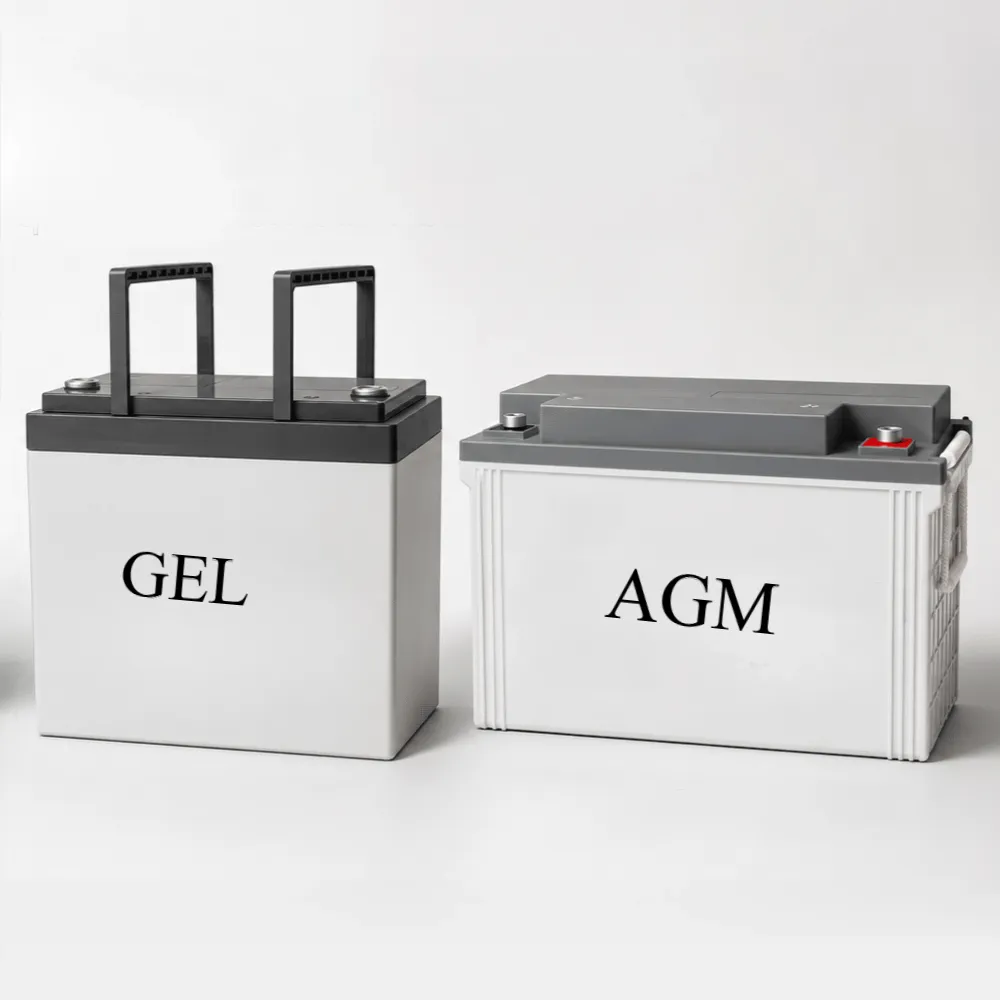
AGM stands for absorbent glass mat. A glass-fiber separator holds the electrolyte between the plates. Gel batteries hold this fluid in a gelled form. Both types use valve-regulated lead-acid, or VRLA, designs.
In an AGM vs gel battery comparison, “sealed” does not mean airtight. Relief valves can release gas if charging goes wrong or a cell fails. Both types need checks, space for safe service, and airflow as their manuals require.
Explore Banatton Group’s storage batteries to see the types on offer. Then ask for the exact model’s data. The range includes lead-acid AGM/GEL products; check which model is approved for your system.
| Selection point | AGM batteries | Gel batteries |
|---|---|---|
| Electrolyte support | Glass mat between plates | Gelled electrolyte around plates |
| Discharge focus | Investigate high-rate designs for short, demanding loads | Investigate cycle-rated designs for repeated discharge |
| Charging | Use the model’s approved profile and limits | Use the model’s approved profile and limits |
| Care | No routine watering; inspection still needed | No routine watering; inspection still needed |
| Purchase evidence | Discharge curves, charger match, duty rating | Cycle conditions, charger match, duty rating |
This AGM vs gel battery table shows what to check. It cannot name one winner for every task. Lead-acid batteries include starting, standby, and deep-cycle designs. The type name cannot replace a duty rating.
Hypothetical example: matching the label is not enough
Morgan, a fictional facilities buyer, needs 10 minutes of support for a 2 kW server-room load. Two offers show the same voltage and amp-hours, but only one includes discharge data for the existing UPS. Morgan asks for the approved battery list and a runtime check at the required cutoff voltage.
The choice now rests on data, not a familiar label. The second offer has no proven runtime for this setup, so Morgan leaves it off the confirmed shortlist.
AGM vs gel battery performance in UPS and solar duty
For brief outages, an AGM vs gel battery assessment starts with discharge power. The battery must support the load as its voltage falls. It must stay within the UPS’s allowed range. A rating for a long, slow discharge doesn’t answer that question.
Short-duration UPS discharge
AGM batteries can supply high current for a short time. A high-rate model is therefore worth checking for UPS use. Gel batteries may also suit approved standby duties. Check the battery, load, and UPS as one system.
Victron’s Gel and AGM Batteries datasheet explains why equal amp-hours can mislead. Its Deep Cycle ratings use a 20-hour discharge at 25°C. You get less usable capacity at higher discharge current. The drop is greater for a constant-power load, such as an inverter.
For AGM vs gel battery runtime checks, give both suppliers the same test basis:
| Input | What to hold the same |
|---|---|
| Load and time | The required power and backup duration |
| End voltage | The point at which the system stops discharging |
| Temperature | The expected battery temperature at the site |
| Battery condition | New or aged, with the stated charge level |
Ask for constant-power discharge tables where needed. Don’t turn a 20-hour Ah label into a short UPS runtime promise.
Lead-acid batteries also age. Data for new, fully charged batteries may not show output near the planned end of service. Ask how the design allows for age and reserve.
Daily solar cycling
Daily solar use asks how much energy the battery can supply each day, then regain before the next use. Cycle-rated gel batteries are worth comparing here, alongside suitable AGM batteries. Check the allowed depth of discharge and the time left to recharge. A “solar” label alone cannot settle the choice.
Depth of discharge describes how much capacity has been drawn. Deep discharge and long periods left discharged can shorten the life of lead-acid batteries. This includes deep-cycle types. Compare cycle counts at the same discharge depth.
An AGM vs gel battery shortlist should state daily discharge, time to recharge, and backup reserve. If sizing is still unclear, the storage battery sizing and selection guide explains power, energy, and load schedules before product selection.
Charging compatibility comes before replacement
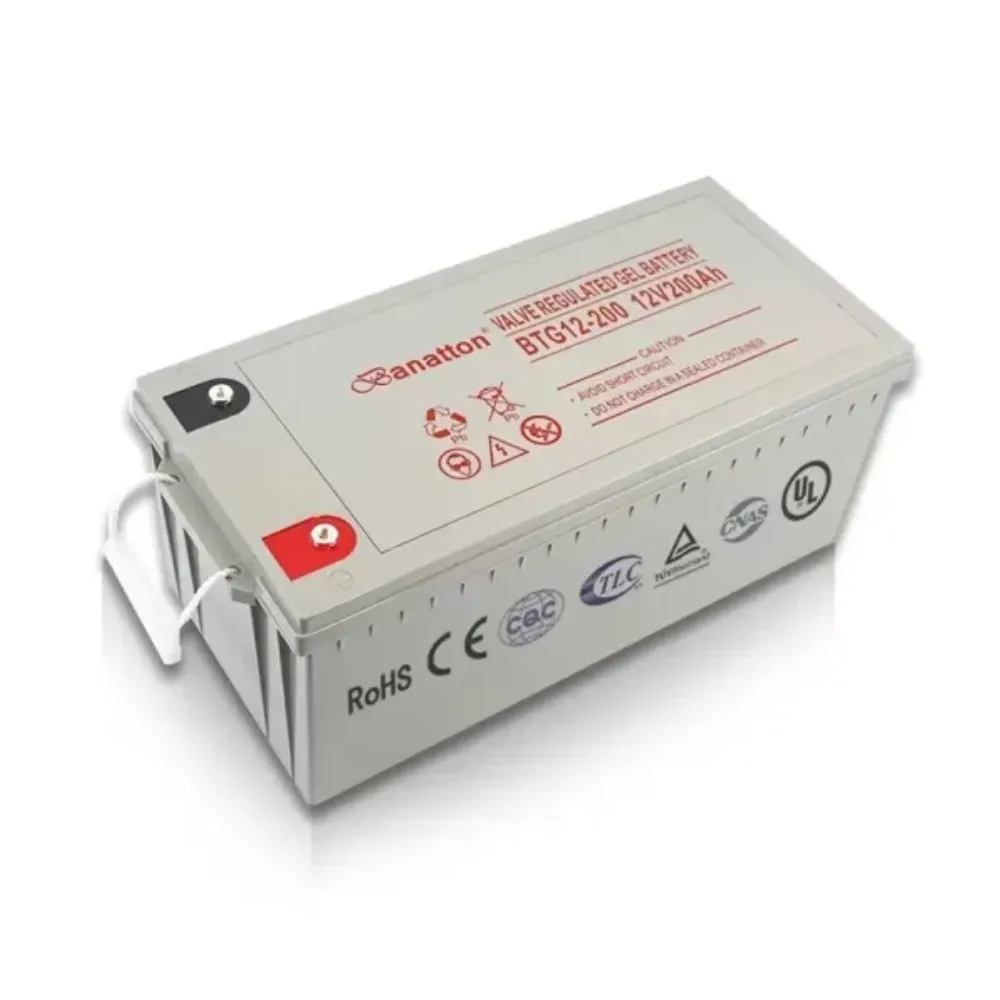
The most useful AGM vs gel battery question may be whether the existing charger supports the proposed model. A shared voltage label is only a starting point. AGM batteries and gel batteries each need charging within the approved model limits.
Check the full charge profile, not just its name:
- Absorption: A stage that helps restore a full charge. Use the maker’s stated limits and timing.
- Float: A lower standby level, used where the instructions call for it.
- Like-for-like values: Compare the same charge stage at the same temperature. One product’s float value is not another product’s absorption value.
East Penn’s manufacturer FAQ explains how excess charge voltage can cause gas loss and dry out VRLA batteries. Too little charging can also harm them. Lead-acid batteries need proper charging and airflow even when no water top-up is needed.
Before treating AGM vs gel battery selection as a parts swap, ask for these records:
- The battery model’s absorption and float settings, with the stated temperature.
- The charger model’s actual settings, current limit, and supported battery list.
- The maker’s rules for temperature sensing and compensation.
- The required recharge time after the intended discharge.
- Written approval for the battery and charger used together.
A generic gel program may not suit the selected AGM batteries, and a generic AGM program may not suit the selected gel batteries. Don’t use a flooded-battery equalization or recovery mode unless the exact battery manual allows it.
Hypothetical example: a controller menu creates a false shortcut
Riley, a fictional solar-system owner, is replacing batteries for an evening lighting load. Their controller offers “Sealed” and “Gel,” but the menu doesn’t list the proposed model. Riley gets the controller’s setting table and the battery’s charge instructions instead of choosing the closest label.
The supplier cannot yet confirm a match. Riley holds the order and asks for an approved option. This produces a clearer shortlist; it does not prove longer runtime or life.
Before ordering, ask your supplier to document the battery-and-charger match. Send both model numbers and the time you have to recharge. That proof can settle the AGM vs gel battery choice before work begins.
Compare cycle life, float life and temperature
Keep three fields in an AGM vs gel battery life comparison:
- Cycle life: Repeated discharge and recharge under a stated test.
- Float design life: A planned life in standby service, with stated conditions.
- Warranty: Written cover with its own terms, limits, and exclusions.
Read cycle counts with their conditions
Victron’s Deep Cycle series specifications list 600 design cycles for AGM batteries and 750 for gel batteries at 50% depth of discharge. At 80% discharge, the listed counts are 400 and 500. These are examples for those manufacturer families, not universal limits for lead-acid batteries or Banatton specifications.
The counts demonstrate why discharge depth belongs in an AGM vs gel battery comparison. They don’t establish years of use at your site.
The summary does not give the full test method beside those counts. Ask for the temperature, charge and discharge rates, and the test’s end-of-life capacity. Get those details before you use the figures to compare quotes.
Read float life with temperature
The same datasheet gives the following Victron Deep Cycle float design-life examples. These are manufacturer design values, not measured outcomes from your facility.
| Average temperature | AGM Deep Cycle | Gel Deep Cycle |
|---|---|---|
| 20°C | 7–10 years | 12 years |
| 30°C | 4 years | 6 years |
| 40°C | 2 years | 3 years |
The AGM vs gel battery lesson is that heat can change the result. Gel batteries in this example have longer listed design life. Yet both types age faster in heat. An allowed operating range does not promise the same life across that range.
For AGM batteries and gel batteries alike, check the battery temperature. A distant room sensor may read a different value. Review cabinet airflow, nearby heat sources, and routine checks. Follow the manuals for access and service by trained staff.
Ask about warranty years, allowed duty, exclusions, and who pays to replace the battery. Lead-acid batteries can have a long design life but shorter warranty cover. Keep those terms beside the AGM vs gel battery comparison. Avoid one mixed “lifespan” figure.
Build an application-matched purchase checklist
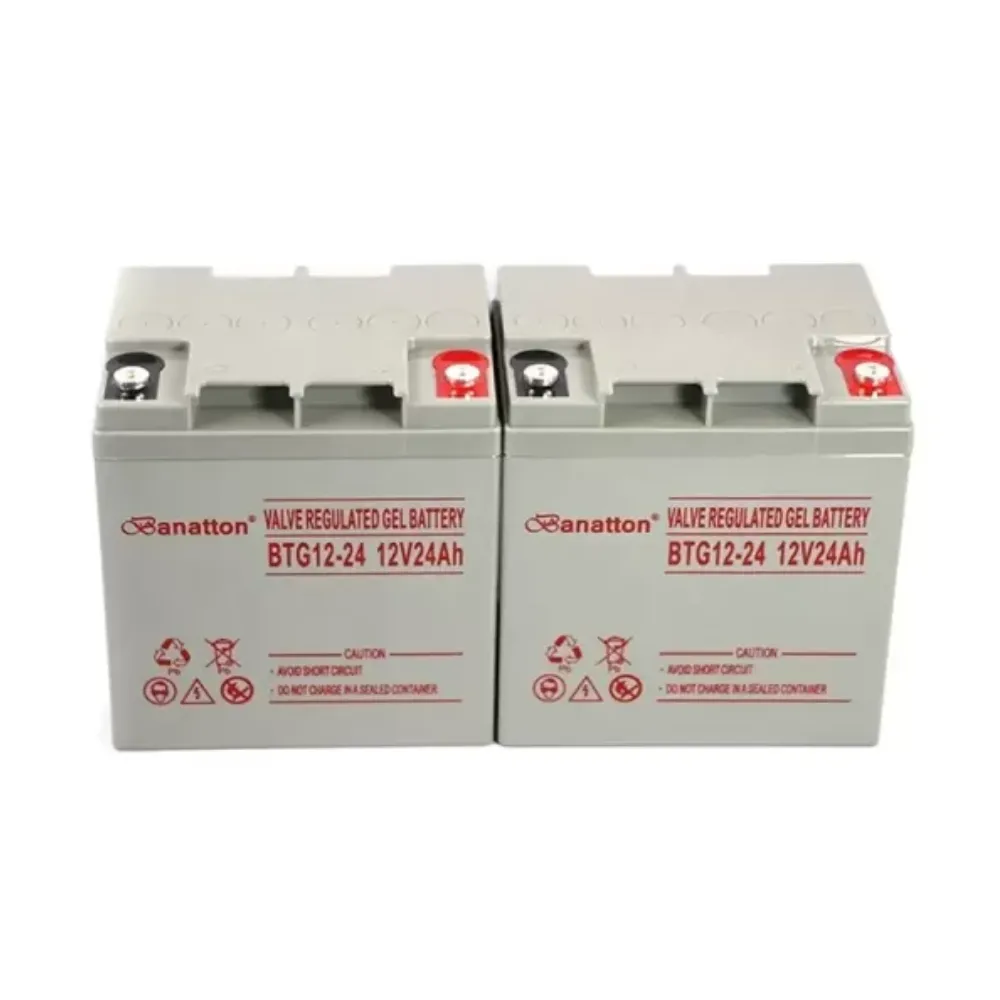
Make each AGM vs gel battery proposal answer the same requirements before comparing price. One offer may cover a cabinet and setup tests; another may cover loose batteries only. Compare what each price includes.
Seven checks for a useful quotation
- Duty: State standby, regular cycling, or both, with the expected discharge pattern.
- Load: Record running power, peaks, required duration, and future load changes.
- Performance: Request discharge data for the exact model and capacity endpoint.
- Charging: Confirm settings, current limits, temperature behavior, and recovery time.
- Installation: Include dimensions, mass, protective equipment, ventilation, and service access.
- Life and support: Separate test conditions, replacement planning, and written warranty terms.
- Cost: Include installation, service visits, replacement labor, transport, and disposal over a common period.
For AGM batteries, don’t substitute a starting-current rating for the required UPS discharge data. For gel batteries, don’t substitute a high cycle count for evidence that the charger can restore the planned daily discharge. Lead-acid batteries must satisfy the complete duty, not just one attractive specification.
Compare costs without inventing savings
A useful AGM vs gel battery cost model starts with current local quotes. Give each supplier the same cost worksheet:
| Cost item | Evidence to request |
|---|---|
| Initial purchase and fitting | Battery, cabinet, protection, labor, and setup tests |
| Routine service | Tasks, visit rates, travel, and access costs |
| Replacement | Life assumptions, new parts, labor, and any downtime |
| End of service | Removal, transport, and lawful recycling or disposal |
| Charging energy | Documented usage and loss assumptions, if this affects the choice |
Record what each total includes. Do not insert a claimed saving or efficiency gain without supporting data.
Then test uncertain inputs. If an offer depends on a longer life, run the cost check again with a shorter life. If the result changes, the AGM vs gel battery choice needs stronger life evidence. Do not treat that saving as proven.
Keep the task in scope. Replacing lead-acid batteries with lithium changes the chemistry. It can also change charging, protection, and controls. The lithium-ion versus lead-acid UPS guide explains that separate decision; it is not an automatic upgrade route for either VRLA construction.
Frequently asked questions
Should I choose “Sealed” when my controller has no AGM option?
Use it only if its listed settings match the chosen model. “Sealed” is a broad menu label; it does not prove approval for AGM batteries. Check voltage, current, and temperature behavior against the manual. Keep the AGM vs gel battery choice open until the match is confirmed.
Can I use a gel charger setting for AGM batteries?
Use it only if both makers approve that profile for the exact models. Gel batteries and AGM products can need different settings. The profile name doesn’t show them all. Check absorption, float, current limits, and how settings change with temperature.
Can different battery types share a charging system?
Only if the design meets each bank’s needs. Separate banks with their own charge control differ from mixed types in one string. Don’t mix AGM and gel in a common string based on this guide. Ask the equipment supplier for an approved design.
Should I choose AGM or gel when replacing lead-acid batteries?
Choose an approved model that meets the load, charging, space, and service needs. For an AGM vs gel battery shortlist, check high-rate output for brief backup use. Check cycle data for repeated use. Gel batteries are not a direct swap just because the voltage label matches.
Choose the battery that fits the documented duty
The AGM vs gel battery choice becomes clearer once you define the job and request comparable evidence. Check AGM batteries for short, high-current loads. Check cycle-rated gel batteries for repeated use. Neither type wins every task.
Start with load and time, then confirm which battery the equipment maker approves. Review the charge profile, discharge limits, battery temperature, and time to recharge. Lead-acid batteries need a service and replacement plan even when their fluid needs no routine top-up.
Next, compare cycle life and float design life under their stated conditions. Read the warranty on its own terms. Use the same installed scope for both cost totals. If a supplier can’t prove a required item, keep that part of the offer open.
To discuss your AGM vs gel battery requirements, send Banatton your battery specification. Include the UPS or controller model, load, runtime, discharge pattern, and site conditions. These details give a clear basis for discussing a suitable setup for your task.