 10Dec

When comparing lithium ion vs lead acid UPS batteries, first confirm which battery system the UPS manufacturer approves. Then compare life, runtime, space, maintenance, and ownership cost under the same requirements.
A battery can fit a cabinet and still be unsuitable for its charger or controls. A longer advertised life also tells you little without the temperature, duty, and capacity endpoint behind it.
If the choice looks like a simple chemistry upgrade, start with the model number. This guide turns lithium ion vs lead acid UPS batteries into checks you can review with a supplier. You’ll get a compatibility worksheet and a cost table, without assuming either option wins every project.
Key takeaways
- A matching voltage label does not establish UPS compatibility.
- Compare expected service life, cycle life, and warranty separately.
- Verify runtime at the same load and battery condition.
- Include replacement labor, access, and disposal in ownership cost.
- Treat an unconfirmed retrofit as a data request, not an approved replacement.
Lithium ion vs lead acid UPS batteries at a glance
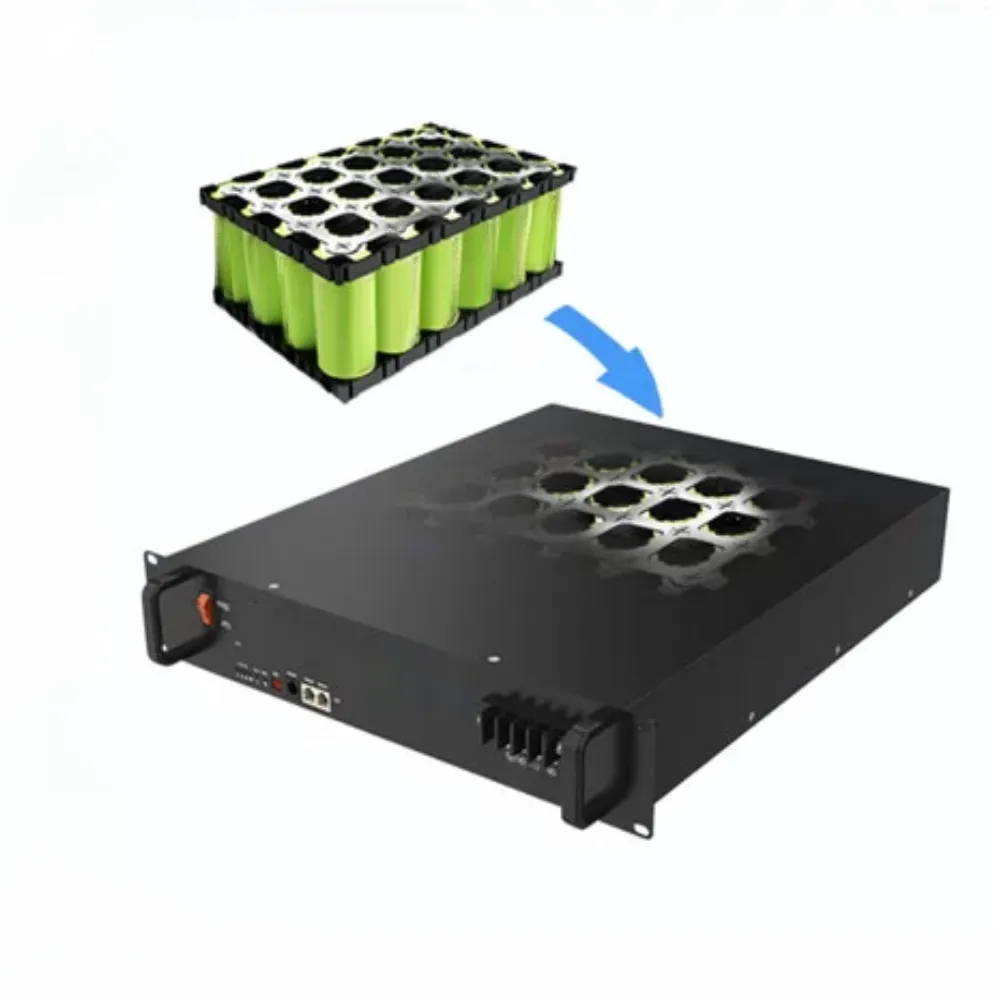
Most UPS comparisons concern valve-regulated lead-acid batteries, or VRLA, rather than every lead-acid design. AGM and gel are forms of VRLA construction. Their specific charging and performance requirements still need to match the equipment.
Lithium-ion is also a family of chemistries. Lithium iron phosphate, called LFP or LiFePO4, is one member. A lithium label alone does not identify the cell design, battery management system, or approved UPS interface.
For lithium ion vs lead acid UPS batteries, compare complete systems. The pack, charger, protection, monitoring, and installation all affect the result.
| Decision | Compare | Insufficient evidence |
|---|---|---|
| Compatibility | Approved UPS and battery combination | Similar case or nominal voltage |
| Life | Conditions and capacity endpoint | One headline year range |
| Runtime | Exact configuration and load | Chemistry or Ah alone |
| Space | Cabinet, access and supporting equipment | Cell dimensions alone |
| Cost | Installed lifecycle costs | Purchase price alone |
Eaton’s lithium UPS explanation discusses lithium systems alongside VRLA and battery management. Its product examples belong to its own equipment. They do not establish another manufacturer’s compatibility.
Checking a replacement? Send Banatton the UPS model and proposed battery details to request a configuration review before choosing an arrangement.
Illustrative scenario: an existing UPS needs batteries
A facilities manager finds a lithium pack with similar voltage and size to the existing lead-acid pack. The team requests the UPS maker’s approved replacement list before ordering.
Without approval, its lithium ion vs lead acid UPS batteries comparison remains unresolved. It must first establish which supported options are available. A possible runtime or cost benefit cannot answer that question.
Compare life, temperature and maintenance
Ask what a lifetime figure means. Design life describes an expectation under stated conditions. Actual service life depends on how the battery is used and kept. Warranty is a separate agreement with its own terms.
Cycle life describes repeated charge and discharge under a defined test. It does not translate directly into years of standby service. Depth of discharge, temperature, and the remaining-capacity endpoint matter.
A useful lithium ion vs lead acid UPS batteries review keeps those terms in separate fields. Otherwise, cycle testing can be mistaken for a promise about a battery that spends most of its time on standby.
Read the conditions behind the years
Eaton’s lithium battery FAQ gives an overview of 10–15 years for lithium-ion and replacement intervals of 3–5 years for lead-acid. These are attributed overview figures, not universal limits or Banatton warranties.
The FAQ recommends normal room temperatures of 20–25°C for its network-closet application. Do not turn that application guidance into a limit for every battery. Use the selected battery and UPS specifications together.
For lithium ion vs lead acid UPS batteries, request the temperature, duty, and capacity endpoint behind the proposed lifespan. An allowed operating range is not necessarily the range that produces the longest life.
Keep inspection in the plan
Maintenance-free does not mean that alarms, connections, environment, and condition can be ignored. Follow the maker’s inspection and service requirements. Identify the personnel and access each task needs.
Ask how a detected battery fault affects the protected load. Record the service process and available monitoring. A monitoring feature is not proof that every failure will be prevented.
This makes lithium ion vs lead acid UPS batteries a site decision. Fewer planned replacements may have value at a remote facility, but the actual service plan must support that expectation.
Compare runtime, recharge, weight and space
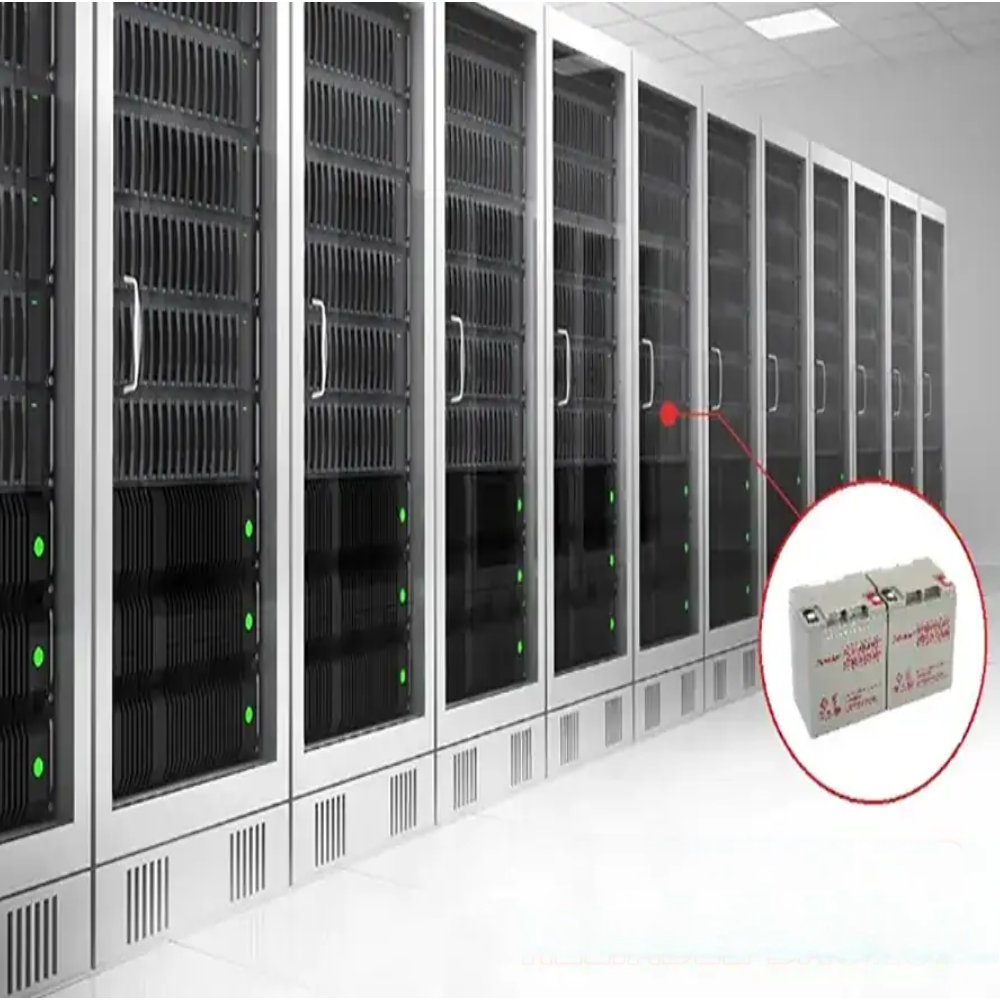
Runtime is a system result. Compare the same load, required duration, charge state, temperature, and battery condition. A chemistry name or Ah label cannot establish how many minutes a UPS will supply.
Use the exact model’s runtime curve or an approved battery calculation. The UPS runtime calculation guide explains how to record load, discharge data, cutoff conditions, and assumptions.
In lithium ion vs lead acid UPS batteries, runtime and service life answer different questions. A long expected service life does not prove that a proposed configuration meets the backup-time target.
Check recovery after an outage
Ask how long the proposed system needs to reach the required state of readiness. The answer depends on the charger, battery arrangement, discharge, and operating conditions.
Do not borrow a recharge time from another product. Changing chemistry does not establish that an existing charger can deliver more power. Repeated outages require a review of the complete charging system.
For lithium ion vs lead acid UPS batteries, specify readiness before the next outage. A single fully charged runtime result does not describe every operating state.
Compare the complete installation
Include cabinet dimensions, protective devices, cables, ventilation, floor or rack loading, and service access. A smaller pack does not automatically reduce the installation by the same proportion.
Request the mass and dimensions of both quoted systems at the same runtime target. Avoid a general claim that one chemistry halves space or weight without comparable product data.
Lithium ion vs lead acid UPS batteries: compatibility first
Start with the exact UPS model, relevant firmware, and approved battery arrangement. Then check the DC operating window, charging, current limits, cutoff behavior, and protection requirements.
A battery management system, or BMS, monitors and manages the battery within its design. Its interface and disconnect behavior must work with the UPS. A BMS-equipped pack is not automatically a replacement for a lead-acid string.
For lithium ion vs lead acid UPS batteries, matching nominal voltage is only a preliminary observation. It does not prove suitable charging, alarms, communications, or fault behavior.
Separate three purchasing routes
A new UPS supplied with an approved battery system is one route. A manufacturer-approved retrofit is another. An unverified replacement pack is a third, unresolved proposal.
Ask who approves the combination, which documents apply, and what support covers the resulting system. Do not describe those routes as interchangeable.
Use this worksheet before treating lithium ion vs lead acid UPS batteries as a parts substitution.
| Field | Record or request |
|---|---|
| UPS identity | Model, firmware and approved battery list |
| Battery identity | Exact model, chemistry and complete assembly |
| Electrical range | Nominal DC voltage and operating window |
| Charging | Profile, limits, temperature behavior and settings |
| Discharge | Current, cutoff and supported runtime data |
| Controls | BMS communications, alarms, interlocks and disconnect behavior |
| Protection | Required equipment and coordination documents |
| Installation | Cabinet, connections, service access and environment |
| Support | Approval, service procedure and warranty terms |
| Status | Confirmed, not approved or awaiting information |
An empty field is not a pass. Keep the proposal open until the responsible supplier provides evidence. The worksheet records a review; it is not an installation procedure.
Review protection at system level
Battery risk depends on the product, installation, environment, protection, and use. A BMS is one part of that system. It does not remove the need for approved equipment or a fault-response plan.
For lithium ion vs lead acid UPS batteries, request the applicable product and installation documents. Requirements depend on location and system details. Chemistry alone does not establish compliance.
Do not mix chemistries or substitute unrelated packs on the basis of this article. Follow the approved configuration and service process. Any proposed conversion needs its own review.
Confirming a conversion? Request a review of the UPS, charger and battery proposal, including the operating and fault states it must support.
Build a lifecycle cost comparison
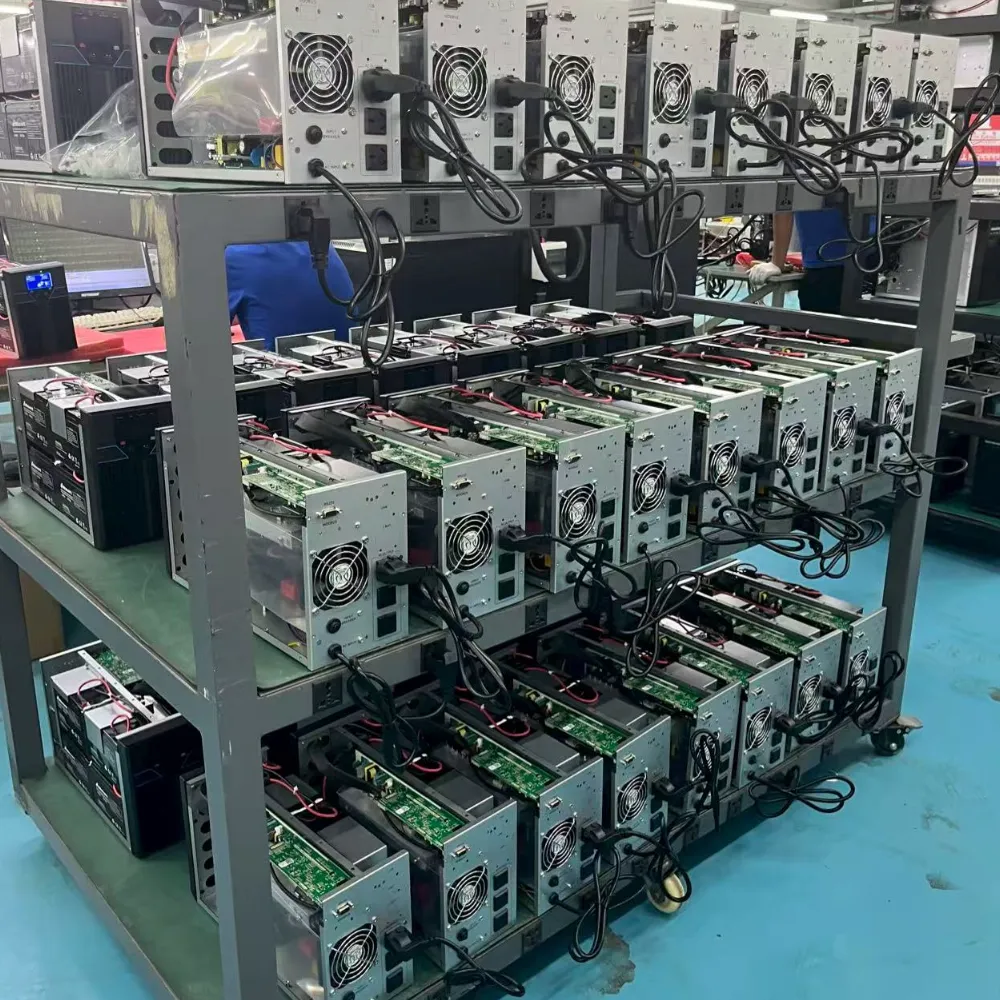
Total cost of ownership, or TCO, compares costs over a defined period. First make both proposals meet the same power, runtime, service, and installation requirements. A cheaper system that misses the requirement is not equivalent.
For lithium ion vs lead acid UPS batteries, include cabinet changes, installation, commissioning, controls, replacements, travel, access, disposal, and support. Purchase price alone cannot capture those costs.
Schneider Electric’s single-phase comparison page identifies a VRLA versus lithium-ion white paper released in 2017. It provides historical context, not a current local quotation. Do not reuse historical prices as today’s project costs.
Define the comparison period
Choose the period the project will evaluate and state why. Record whether the UPS itself will remain in service throughout it. A longer battery-life assumption may have limited value if the whole system will be replaced much earlier.
Record replacement timing separately from warranty duration. Use supported service assumptions, then test what happens if a replacement occurs earlier or later.
This makes lithium ion vs lead acid UPS batteries a reviewable model. It exposes the assumptions driving the answer instead of hiding them inside a savings percentage.
Illustrative scenario: a remote facility
A remote site has limited service access. The team asks for the parts, travel, labor, and access costs of each planned replacement for two approved proposals.
It tests different replacement schedules over the same period. It does not announce savings before those inputs are supported. In this lithium ion vs lead acid UPS batteries comparison, service visits are a variable, not a fabricated outcome.
| Cost field | Lead-acid proposal | Lithium-ion proposal |
|---|---|---|
| Period and currency | Fill in | Same basis |
| Initial equipment | Current quote | Current quote |
| Installation, cabinet and controls | Itemized scope | Itemized scope |
| Replacement dates and parts | Supported assumption | Supported assumption |
| Labor, travel and access | Documented cost | Documented cost |
| Energy and cooling | Evidence-based input | Same method |
| Service and monitoring | Quoted scope | Quoted scope |
| Disposal and residual value | Documented basis | Documented basis |
| Discount rate and quote date | State explicitly | Same basis |
| Missing data | List gaps | List gaps |
This is a fillable worksheet, not a hidden calculator. Mark unknown values as unavailable. If important costs are missing, report an incomplete comparison rather than forcing a winner.
Keep assumptions separate from promises
Do not assign a universal downtime cost or count hypothetical outages as guaranteed savings. If the project includes downtime exposure, document that scenario separately from equipment pricing.
For lithium ion vs lead acid UPS batteries, explain the replacement schedule and uncertainty behind the result. A transparent comparison is more useful than an unsupported claim that one chemistry is always cheaper.
Choose for the site and request supporting data
An existing installation with an approved lead-acid replacement may face a different decision from a new project designed around lithium. Compare the supported alternatives available for each site.
Banatton’s lead-acid battery category and lithium storage battery category provide discussion starting points. A storage listing does not prove that the battery is approved for your UPS.
Use the UPS sizing guide to check power capacity first. Keep kW/kVA, backup time, and chemistry as related but separate decisions.
Illustrative scenario: a space-constrained project
A new equipment room has limited usable space. The team requests two approved proposals meeting the same load and runtime requirement. Both include service access and supporting equipment.
The decision uses complete layouts, not generic cell dimensions. This lithium ion vs lead acid UPS batteries review may identify a useful space advantage, but it does not assume one before the layouts are available.
Provide the UPS model, load, runtime target, temperature, access constraints, and whether the project is a replacement or a new installation. Request approval, runtime data, charging requirements, and service scope together.
The result should be a documented configuration. A lithium ion vs lead acid UPS batteries guide cannot replace approval of a specific combination.
Finish the purchasing record
Before accepting a quotation for lithium ion vs lead acid UPS batteries, check that the documents describe the same system. A battery quote, a UPS brochure, and a service offer can each use a different scope. Ask the supplier to resolve any mismatch before comparing totals.
Record these final checks:
- The battery model in the quote matches the approval document.
- Runtime data uses the required load and stated battery condition.
- Installation and service costs cover the quoted configuration.
- Replacement assumptions identify both timing and capacity criteria.
- Responsibility for unresolved approval items is assigned.
Keep the quote date and document revisions together. If the proposed equipment changes, review the approval and runtime evidence again rather than carrying an earlier result forward. This gives lithium ion vs lead acid UPS batteries a traceable decision record. It also helps the next facilities team understand why a particular arrangement was selected, without treating that decision as approval for a different site.
UPS battery comparison questions
Can I replace lead-acid batteries with lithium in my existing UPS?
Use only a conversion approved for the exact system. Matching voltage or case size does not establish compatibility. Request the equipment list, controls, and procedure before treating it as a replacement option.
Is LiFePO4 the same as every lithium-ion battery?
No. LFP is one chemistry. Compare the complete assembly, BMS, and approved UPS configuration instead of treating the lithium label as a performance specification.
Which option lasts longer at my site?
Request lifespan assumptions at your temperature and duty, including the capacity endpoint. A lithium ion vs lead acid UPS batteries comparison should distinguish service life from warranty and cycle testing.
Does lithium guarantee longer backup time?
No chemistry label establishes minutes. Compare exact systems at the same load using approved runtime data. Energy, discharge limits, and conversion behavior belong in that check.
Does a BMS eliminate inspection?
No. Follow the manufacturer’s service requirements. Monitoring and protection do not remove the need to manage installation conditions, alarms, faults, and replacement.
What is the most useful next step?
Collect compatibility documents and fill in the cost worksheet. Review missing information before choosing on price or advertised years alone.
Request a configuration review: Contact Banatton with your UPS and battery requirements. Turn lithium ion vs lead acid UPS batteries into a supported comparison with a clear service and cost basis.