PRODUCT DETAILS
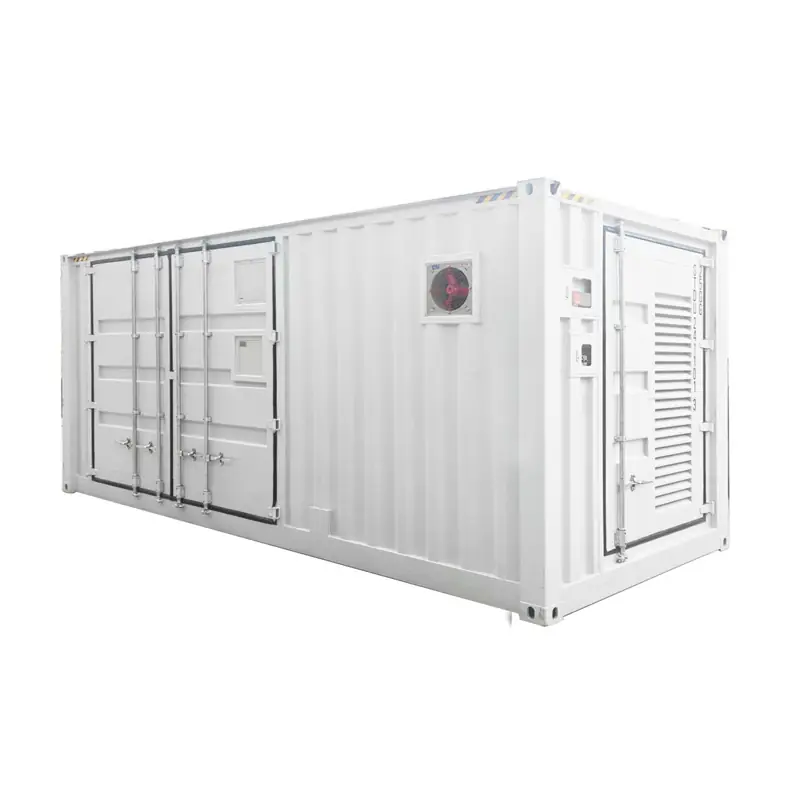
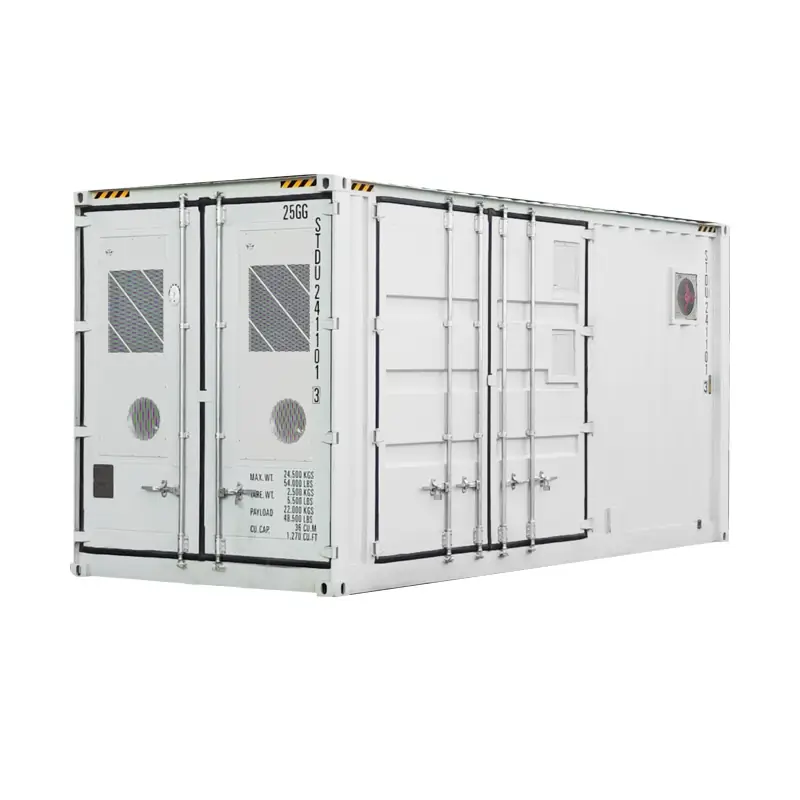
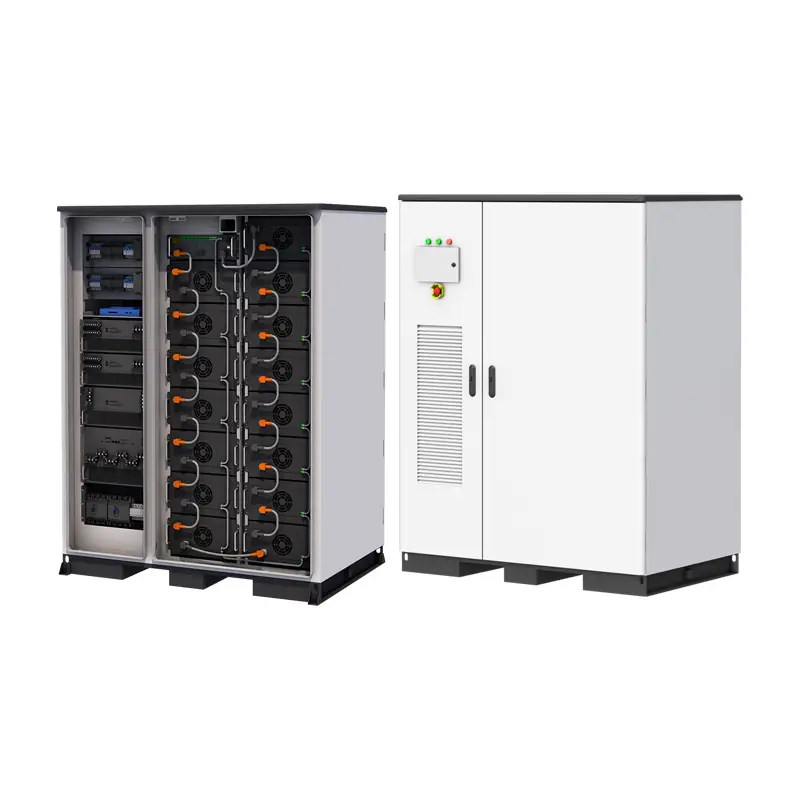
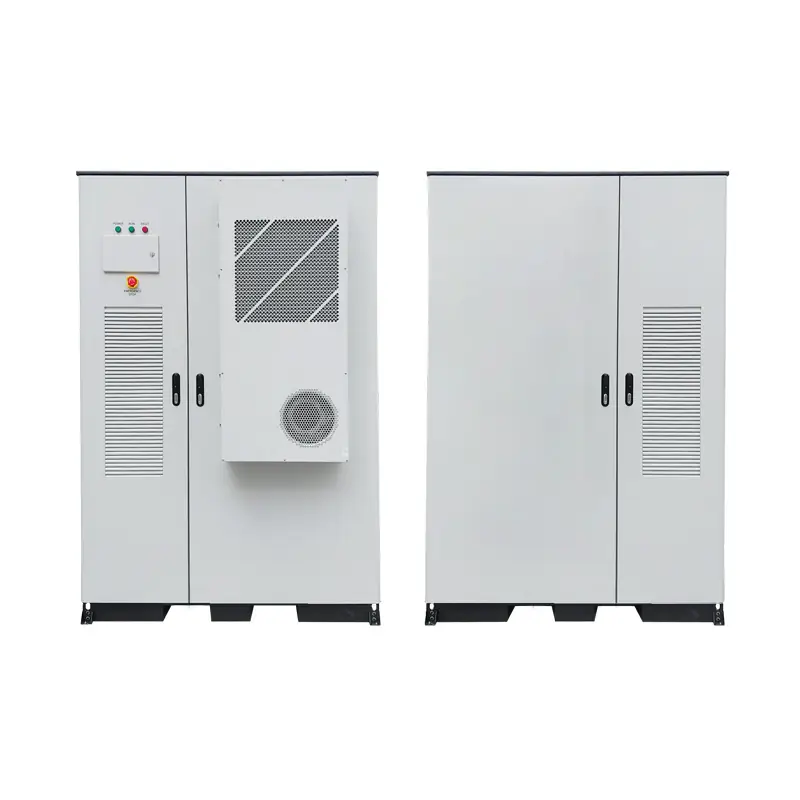
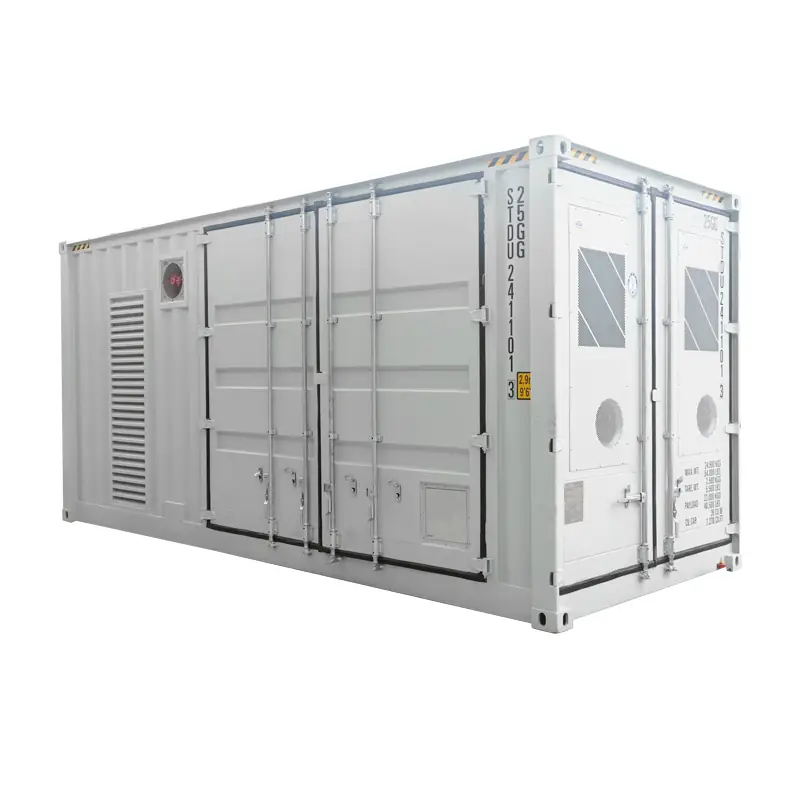
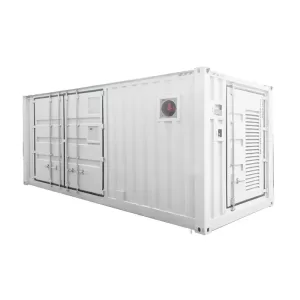
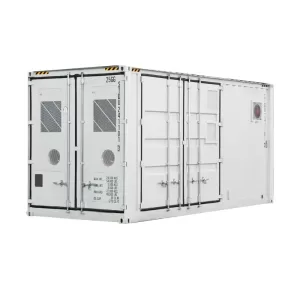
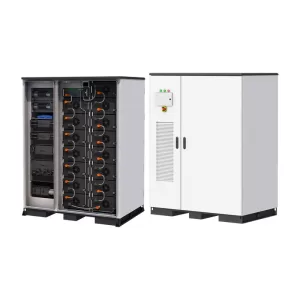
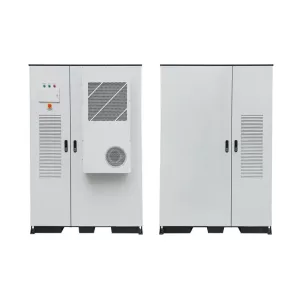
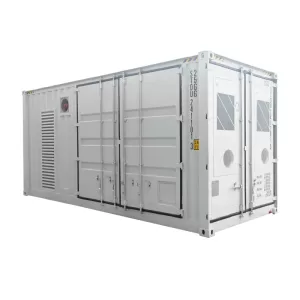
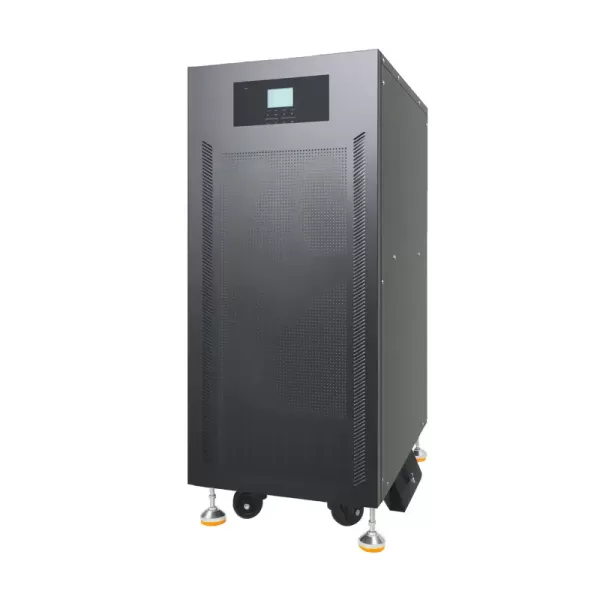
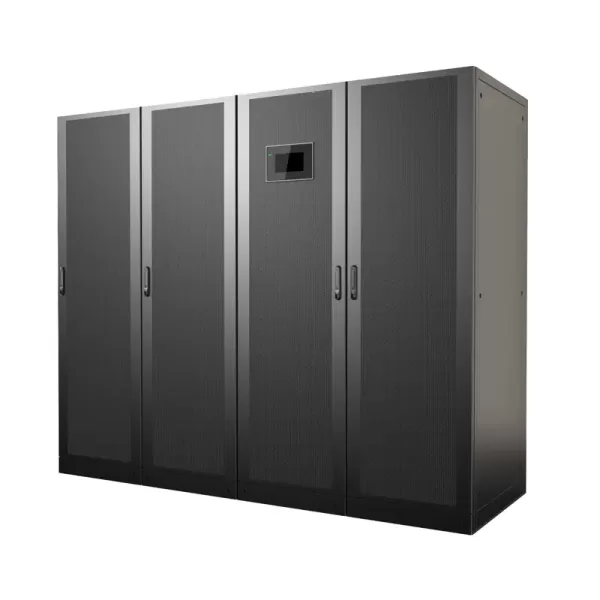
Commercial Energy Storage System 75kWh 100kWh 200kWh 300kWh Hybrid Inverter Lithium Ion Battery off Grid Battery Storage
Short Description:
1.Off-grid Switching
Utilizing STS configuration for off-grid switching.
2. Off-grid & On-grid
Intelligent operational control algorithm model.
3. Anti-backflow Function
EMS intelligent sampling, actively regulating.
4. Photovoltaic Smoothing
Enhancing system stability.
5. Demand Tracking Adjustment
Dynamically adjusting the relationship between PV and energy storage to maximize efficiency.
PRODUCT DETAILS
1. Off-grid Switching
Utilizing STS configuration for off-grid switching.
2. Off-grid & On-grid
Intelligent operational control algorithm model.
3. Anti-backflow Function
EMS intelligent sampling, actively regulating.
4. Photovoltaic Smoothing
Enhancing system stability.
5. Demand Tracking Adjustment
Dynamically adjusting the relationship between PV and energy storage to maximize efficiency.
Product Details:
The energy storage system is designed for power expansion and backup, featuring high integration with lithium batteries, management systems, DC/AC inverters, etc. With over 6000 cycles and 91% efficiency, each unit occupies less than 3 square meters. It caters to various sectors including industries, commerce, and public facilities, providing clean, renewable electricity and backup power during outages. Additionally, it helps reduce energy costs for businesses and supports transportation, public lighting, and other essential services.
Technical Specifications:
| Project Specifications Technical Specifications | ||
| System Parameters | ||
| Rated Capacity | 215kWh,25℃ @0.5c Rated | |
| Dimensions | 2100*1330*2150mm( L*W*H) | |
| Weight | 2.8TON | |
| Rated DC Voltage | 768V | |
| Operating DC Voltage | 672~ 864V | |
| Max Charge/Discharge Power | 100kW | |
| Max AC Output Current | 150A | |
| Operating Environment | Below 2000m altitude | |
| Thermal Management | A/C Automatic adjustment | |
| Off-grid Mode (Optional) | Manual/Automatic | |
| Output Mode | Three-phase four-wire | |
| Fire Suppression | Aerosol automatic, water-based system | |
| System Protection Level | IP54 | |
| Operating Temperature | – 15℃ -50℃ (power derating above 40℃) | |
| External Protocol | Mod BUS-TCP | |
| STS Power Module Parameters | ||
| Rated Power | 150kW | |
| Max Power | 165kW | |
| Rated AC Voltage | 400Vac,3W+PE | |
| Rated Frequency | 50/60Hz(±5Hz) | |
| Rated AC Current | 216A | |
| Switching Time | <10ms | |
| Max Efficiency | 99% | |
| AC Grid Connection Parameters | ||
| Rated Grid Voltage | 400Vac | |
| Voltage Range | -15%~+ 10% | |
| Rated Frequency | 50Hz | |
| Max Output Current | 150A | |
| Power Factor | > 0.99 (rated output power)/1 (leading) – 1 (lagging) | |
| THDi | <3% (rated output power) | |
| Off-grid Output Characteristics | ||
| Rated Output Voltage | 400Vac | |
| Output Voltage Accuracy | 1% | |
| Max Output Current | 150A | |
| Voltage Distortion | < 1% (linear load) | |
| Rated Output Frequency | 50Hz | |
| Overload Capacity | 110% | |
| Battery Module | ||
| Module Model | 64V280Ah | (1P20S) |
| Module Standard | GB/T 36276 | UN38.3 |
Features:
- Multi-unit Parallel Collaboration
Group control technology supports up to 100 devices running in parallel, achieving millisecond-level response and collaborative control among devices, ideal for 20MWh energy storage applications.
- High-Performance Energy Storage Battery
Utilizes leading lithium iron phosphate energy storage batteries, integrating safety algorithms and aging analysis models in the battery management system, ensuring over 6000 cycles.
- Multi-level Safety Protection
Equipped with built-in thermal management and thermal runaway risk warning systems, along with Schneider’s multi-level electrical protection devices and lithium battery fire protection systems, ensuring comprehensive system safety.
Application:
Charging Stations
In many areas, grid power expansion is a major constraint for charging station construction. Deploying Prime distributed energy storage systems between charging piles dynamically expands the capacity of charging stations, meeting instantaneous high-power charging demands.
Commercial Buildings
Commercial buildings such as shopping malls and office buildings can utilize integrated energy storage systems to power electrical facilities within the building, reducing reliance on the grid.
Industrial Parks
Industrial parks typically have high electricity consumption. Integrated energy storage can lower enterprise electricity costs while enhancing power supply reliability.
Remote Areas
In remote areas, integrated energy storage systems can serve as independent energy supply systems, providing stable electricity for local residents.
Related Products