 26Sep
26Sep

In today’s increasingly electrified environment, ensuring a stable and reliable power supply is crucial for homes and businesses.
I. Understanding Automatic Voltage Regulators:
1. What is an Automatic Voltage Regulator?
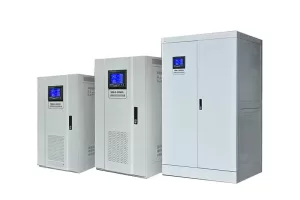
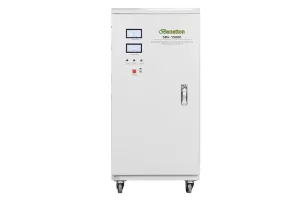
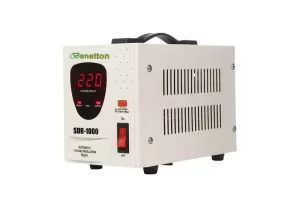
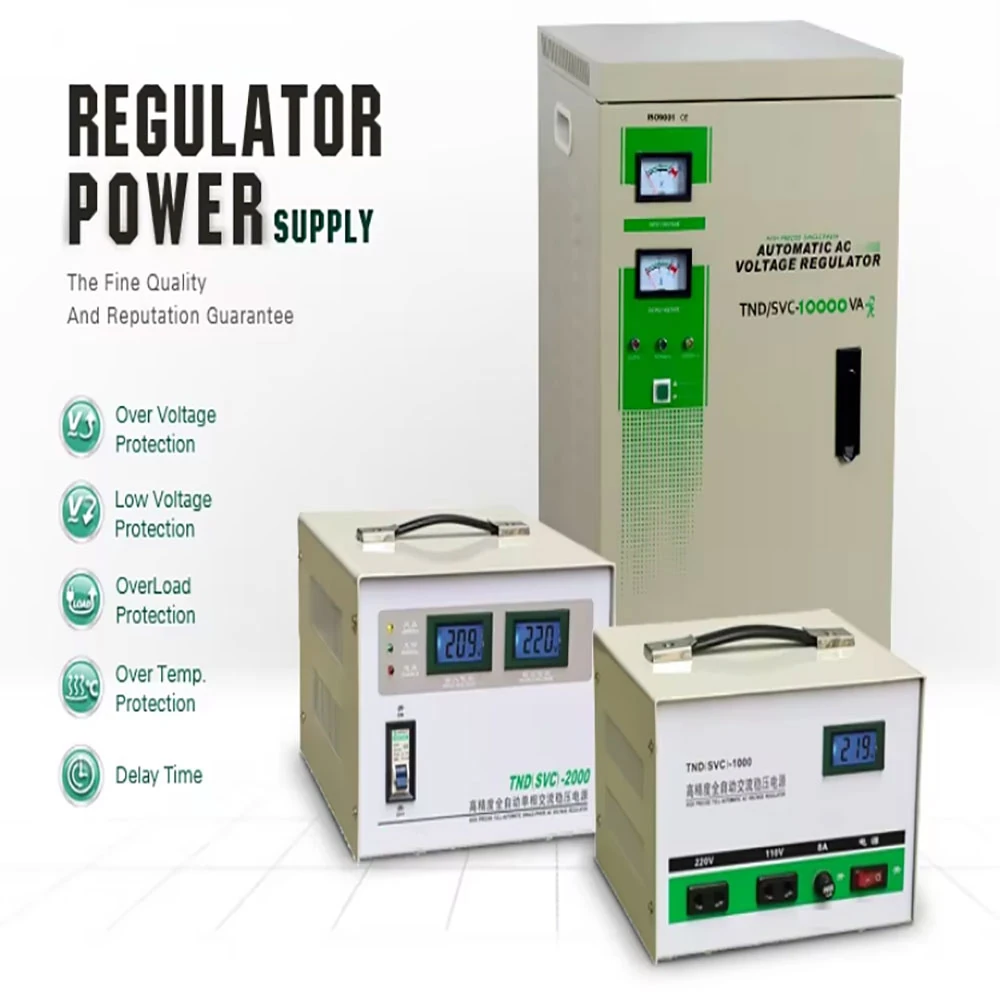
An automatic voltage regulator is an electronic device designed to maintain a constant voltage for electrical appliances. It works by automatically adjusting the input voltage, thus protecting the equipment from sudden voltage spikes or drops. This adjustment requires no manual intervention, ensuring the equipment is always within its optimal voltage range.
2. How Does It Work?
At the heart of a regulator is the continuous monitoring of the input voltage. When it detects a deviation from the safe operating range, it immediately takes action, either increasing the low voltage or decreasing the high voltage. This adjustment is achieved through a combination of transformers and electronic circuitry. The entire process is fast and seamless, ensuring that fluctuations do not cause appliance interruptions or damage. In environments with unstable power supplies, regulators act as a safeguard, maintaining electrical consistency regardless of external changes.
II. The Importance of High-Quality Voltage Regulators:
1. Protecting Your Investment:
Electrical appliances are a significant investment, and their durability largely depends on the quality of the power supply received. Voltage fluctuations can cause premature aging or sudden failure of sensitive electronic components. For example, a sudden voltage surge can damage complex home entertainment systems or critical business equipment. By investing in a reliable automatic voltage regulator, you can significantly reduce the risk of expensive repairs or replacements.
2. Ensure Stable Performance:
A voltage regulator not only protects appliances from damage but also ensures they operate at peak efficiency. Stable voltage levels prevent performance instability and minimize the likelihood of failure. This is especially important for equipment critical to daily operations, where even minor interruptions can lead to significant downtime and lost productivity.
3. Long-Term Cost Savings:
While the initial cost of a high-quality voltage regulator may seem high, the long-term savings are substantial. Voltage regulators help avoid recurring costs associated with appliance repair and replacement, while also helping to reduce energy bills by ensuring efficient equipment operation. Over time, reduced maintenance costs and extended appliance lifespan make a voltage regulator a cost-effective investment.
III. Factors to Consider When Choosing an Automatic Voltage Regulator:
Choosing the right voltage regulator involves several key factors. Each step of the decision-making process should be carefully considered to ensure the equipment meets your specific needs.
1. Load Capacity:
The first step in selecting a suitable voltage regulator is to determine the equipment to be connected and its total load. This includes calculating the total power of all equipment that needs protection. A smaller regulator may not be able to handle the load and could lead to failure, while larger equipment may operate less efficiently. It is crucial to ensure that the regulator’s capacity matches your actual power needs.
2. Appliance Type:
Different appliances have different sensitivities to voltage fluctuations. For example, computers, medical equipment, and other sensitive electronic devices require highly stable voltage supplies. On the other hand, heavy industrial equipment may be designed to tolerate a wider range of voltage fluctuations. Clearly defining the specific needs of your appliances will guide you in selecting a voltage regulator that provides an appropriate level of protection.
3. Key Features:
When evaluating potential models, focus on key features that enhance performance and safety:
Automatic Correction: The device should be able to automatically adjust the voltage level without manual input.
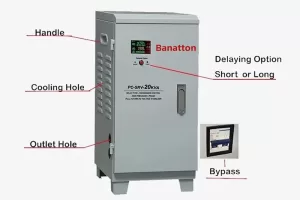
Digital Display: A clear digital display allows for real-time voltage monitoring and provides in-depth insights into device performance.
Surge Protection: Many modern voltage regulators incorporate surge protection, which is especially critical in areas susceptible to lightning strikes or frequent power surges.
Energy Efficiency: Energy-efficient voltage regulators can reduce operating costs in the long run.
Robust Manufacturing Quality: Voltage regulators should be constructed from durable materials to withstand continuous use in both home and commercial environments.
4. Installation and Placement:
Proper installation is crucial for the optimal performance of a voltage regulator. Consider the following:
Installation Options: Decide whether a wall-mounted or floor-standing unit is more suitable for your space.
Ventilation: Ensure adequate ventilation in your chosen location to prevent overheating. A well-ventilated area contributes to the lifespan of the voltage regulator.
Accessibility: The device should be installed in a location that facilitates maintenance and inspection.
5. Warranty and After-Sales Service:
A voltage regulator is a long-term investment, so choosing a product with a comprehensive warranty is essential. Review the manufacturer’s warranty period and terms of service. Additionally, consider the availability of local service centers and customer support. For example, Banatton Technology is known for its strong after-sales service and support, ensuring customers have expert assistance when needed.
IV. Voltage Regulator Maintenance and Lifespan:
1. Regular Maintenance and Inspection:
Regular maintenance is essential to ensure the voltage regulator continues to operate efficiently. Regular inspections should be performed to check for signs of wear, such as dust accumulation or overheating of components. Regular cleaning of equipment can prevent potential problems and extend its lifespan. It is also recommended to follow the manufacturer’s maintenance guidelines to keep the equipment in optimal condition.
2. Professional Service:
While routine maintenance can often be performed by the user, professional maintenance is sometimes necessary. Annual inspections by qualified technicians can help identify and resolve potential problems, preventing them from worsening. This proactive approach not only ensures the continued performance of the voltage regulator but also protects connected equipment from unexpected voltage anomalies.
3. Lifespan and Replacement:
Even with proper maintenance, all electronic devices have a limited lifespan. It is crucial to recognize signs that a voltage regulator may be nearing the end of its lifespan. Frequent minor problems, unexpected shutdowns, or persistent errors in the digital display may indicate the need for replacement. By remaining vigilant and monitoring the voltage regulator’s performance, you can plan for timely upgrades and ensure your appliances remain protected.
V. Frequently Asked Questions:
1. What happens if I choose a voltage regulator with too low a capacity?
Choosing an undercapacity voltage regulator can result in inadequate voltage regulation. This can lead to intermittent power problems and potential damage to connected equipment. Always calculate the total power of your equipment and choose a voltage regulator that exceeds that load to ensure effective regulation.
2. How often should I maintain my automatic voltage regulator?
For optimal performance, a routine maintenance check is recommended every six months. Annual professional service is also recommended to address potential issues and ensure the regulator is functioning properly.
3. Can I install the voltage regulator myself?
While many modern voltage regulators are designed for relatively simple installation, it is generally recommended that a qualified electrician perform the installation. Proper installation ensures the regulator operates within its specified parameters, reducing potential safety risks.
4. Are there any specific brands I should consider?
Several reputable brands in the industry offer high-quality automatic voltage regulators. When choosing a brand, consider factors such as warranty, after-sales service, and customer reviews. Banatton Technology is one of the companies in the power management field known for its high-quality and reliable support.